



🔹 1. What Is Polyethylene Wax (PE Wax)?
🧪 Overview
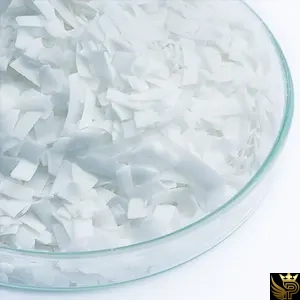
Polyethylene Wax (PE Wax) is a high-performance synthetic wax derived from the polymerization of ethylene. Known for its low molecular weight, high melting point, and excellent lubricity, PE Wax is widely used in industrial applications such as plastics, rubber, coatings, adhesives, and inks.
🔥 “Top 5 Industrial Uses of PE Wax for High-Performance Results”
🔥 “Top 5 Industrial Uses of PE Wax for High-Performance Results”
⚙️ Key Properties of PE Wax
PE Wax stands out due to its unique combination of physical and chemical characteristics:
| Property | Description |
|---|---|
| Melting Point | 80°C to 130°C depending on grade |
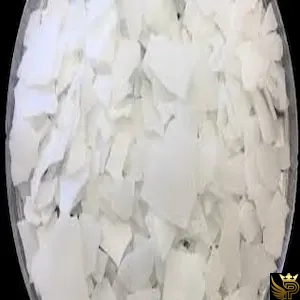
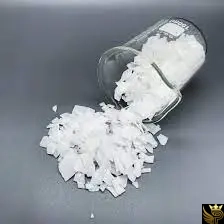
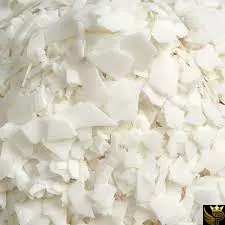
| Form | Available in powder, flakes, granules, or pastilles |
| Viscosity | Low melt viscosity for easy dispersion |
| Lubricity | Excellent internal and external lubrication for processing |
| Chemical Resistance | Inert to acids, alkalis, and solvents |
| Thermal Stability | Maintains performance under high temperatures |
| Hardness & Gloss | Adds abrasion resistance and surface gloss to coatings and inks |
🏭 Industrial Applications
PE Wax is a versatile additive that enhances performance across multiple sectors:
- Plastics Processing: Improves flow, mold release, and surface finish in extrusion and injection molding
- Rubber Manufacturing: Aids in filler dispersion and mold release in tire and rubber production
- Coatings & Inks: Acts as a matting and anti-scratch agent, improving durability and appearance
- Adhesives & Sealants: Reduces surface friction and enhances bond strength
- Masterbatch Production: Serves as a dispersant for pigments and fillers in polyolefin systems
💡 Why Choose PE Wax?
Manufacturers prefer PE Wax for its cost-efficiency, formulation flexibility, and consistent performance. Whether you’re producing high-end coatings or optimizing polymer flow, PE Wax delivers measurable improvements in quality and productivity.
🔹 2. Why PE Wax Outperforms Traditional Paraffin
⚖️ Comparative Overview
While both Polyethylene Wax (PE Wax) and Paraffin Wax are widely used in industrial applications, PE Wax consistently delivers superior performance in demanding environments. Its higher melting point, greater hardness, and chemical resistance make it the preferred choice for manufacturers seeking reliability and efficiency.
🔥 “Top 5 Industrial Uses of PE Wax for High-Performance Results”
Premier LMP 75: Pure Light Paraffin for Industrial Excellence | Oil-Based Quality
🔍 Key Differences Between PE Wax and Paraffin Wax
| Feature | PE Wax | Paraffin Wax |
|---|---|---|
| Melting Point | 100°C – 130°C | 46°C – 68°C |
| Hardness | High; scratch-resistant | Soft; greasy texture |
| Viscosity | Low; smooth dispersion | Higher; may require blending |
| Chemical Resistance | Excellent; inert to acids and alkalis | Moderate; less stable under harsh conditions |
| Thermal Stability | High; ideal for high-temp processing | Moderate; suitable for low-temp applications |
| Industrial Use Cases | Plastics, coatings, adhesives, masterbatch | Candles, cosmetics, packaging, pharmaceuticals |
| Cost Efficiency | Long-term savings due to durability | Lower upfront cost but less durable |
🚀 Performance Advantages of PE Wax
- Enhanced Processing Efficiency: PE Wax reduces friction and improves flow in extrusion and molding processes
- Superior Surface Finish: Adds gloss and abrasion resistance to coatings and inks
- Versatile Compatibility: Works seamlessly with polymers, resins, and additives
- Moisture & Heat Resistance: Ideal for applications exposed to humidity and high temperatures
- Long-Term Reliability: Maintains structural integrity and performance over time
💡 Why Manufacturers Prefer PE Wax
PE Wax is engineered for precision and durability, making it the go-to solution for industries that demand consistent quality. Unlike paraffin, which may degrade or soften under stress, PE Wax ensures stable performance, reduced maintenance, and higher product value.
🔹 3. Top 5 Industrial Uses of PE Wax
🏭 Introduction
Polyethylene Wax (PE Wax) is a highly versatile synthetic wax used across a wide range of industries due to its excellent thermal stability, low viscosity, and superior lubricating properties. Below are the top 5 industrial applications where PE Wax delivers measurable performance and efficiency gains.
🔧 1. Plastics Industry
PE Wax is widely used as a processing aid in plastic manufacturing:
- Enhances polymer flow during extrusion and injection molding
- Improves mold release and surface finish
- Acts as a dispersing agent in masterbatch production, ensuring uniform pigment distribution
🛢️ 2. Rubber & Tire Manufacturing
In rubber compounding, PE Wax serves as:
- A lubricant that improves mixing and dispersion of fillers
- A mold release agent for easier demolding of finished products
- A protective layer against ozone and UV degradation, extending product life
🎨 3. Coatings & Paints
PE Wax is a key additive in industrial coatings:
- Increases scratch resistance and abrasion durability
- Enhances slip and surface smoothness
- Improves matting effect and gloss control in decorative finishes
🧪 4. Adhesives & Sealants
PE Wax boosts performance in hot melt and pressure-sensitive adhesives:
- Reduces surface friction for better spreadability
- Enhances bond strength and thermal resistance
- Improves open time and tackiness control in formulations
🖨️ 5. Printing Inks
In ink formulations, PE Wax plays a critical role:
- Provides anti-blocking and anti-setoff properties
- Enhances rub resistance and print clarity
- Improves flow characteristics for high-speed printing applications
🔥 “Top 5 Industrial Uses of PE Wax for High-Performance Results”
💡 Summary Table
| Industry | Function of PE Wax |
|---|---|
| Plastics | Processing aid, dispersant, mold release |
| Rubber | Lubricant, mold release, UV protection |
| Coatings & Paints | Scratch resistance, gloss control, slip enhancement |
| Adhesives & Sealants | Friction reduction, bonding improvement, thermal stability |
| Printing Inks | Rub resistance, anti-blocking, flow optimization |
🔹 4. PE Wax in PVC and Masterbatch Production
🧪 Introduction
Polyethylene Wax (PE Wax) plays a vital role in the production of PVC (Polyvinyl Chloride) and masterbatch formulations, acting as both a lubricant and dispersing agent. Its unique chemical structure and thermal properties make it indispensable for manufacturers seeking smoother processing, enhanced surface quality, and consistent pigment distribution.
🏗️ Role of PE Wax in PVC Production
PE Wax is considered the backbone of PVC processing due to its multifunctional benefits:
- Internal Lubrication: Reduces melt viscosity, improving flow and reducing torque during extrusion
- External Lubrication: Minimizes friction between PVC melt and equipment, preventing sticking and wear
- Surface Enhancement: Improves gloss, smoothness, and mechanical strength of final PVC products
- Thermal Stability: Withstands high processing temperatures, maintaining product integrity
- Compatibility: Works well with other additives, resins, and stabilizers in PVC formulations
📌 Example: Adding just 0.5% PE Wax to PVC extrusion can reduce screw torque by up to 15% and significantly improve surface gloss.
🎨 PE Wax in Masterbatch Formulation
In masterbatch production, PE Wax serves as a dispersing medium for pigments and fillers:
- Ensures uniform distribution of colorants within the polymer matrix
- Enhances flow properties during compounding and extrusion
- Improves compatibility between carrier resin and additives
- Reduces agglomeration, leading to vibrant and consistent coloration
This results in masterbatches with better mechanical properties, color stability, and processing efficiency.
🔥 “Top 5 Industrial Uses of PE Wax for High-Performance Results”
UltraFusion 99X Premium Paraffin Wax – High-Performance Bulk Candle & Spa Solution
📊 Summary Table
| Application | Function of PE Wax | Benefits |
|---|---|---|
| PVC Extrusion | Internal & external lubricant | Reduced torque, smoother flow, better surface |
| PVC Injection Molding | Processing aid | Enhanced mold release, thermal stability |
| Masterbatch Production | Dispersing agent | Uniform pigment distribution, vibrant colors |
| Cable Insulation | Filler diffusion enhancer | Improved extrusion rate, robust insulation |
| Film & Sheet Calendering | Release agent | Fewer defects, uniform thickness |
🔹 5. Thermal Stability and Lubrication Benefits of PE Wax
🔥 Introduction
One of the key reasons Polyethylene Wax (PE Wax) outperforms traditional waxes in industrial applications is its exceptional thermal stability and superior lubrication properties. These features make PE Wax ideal for high-temperature processing environments and precision manufacturing, where consistency and efficiency are critical.
🌡️ Thermal Stability: Built for Heat
PE Wax is engineered to maintain its structural integrity under demanding thermal conditions:
- High Melting Point: Typically ranges from 100°C to 130°C, far exceeding paraffin wax and natural alternatives
- Low Volatility: Resists evaporation and degradation at elevated temperatures
- Stable Performance: Maintains lubricity and dispersion even during prolonged heat exposure
- Process Reliability: Reduces risk of thermal breakdown, ensuring consistent product quality
📌 Real-world impact: In PVC extrusion, PE Wax helps maintain flow and surface finish even when processing temperatures exceed 180°C.
⚙️ Lubrication Benefits: Smooth, Efficient Processing
PE Wax delivers both internal and external lubrication, enhancing material flow and equipment longevity:
- Internal Lubrication: Reduces melt viscosity, improving polymer mobility and reducing torque
- External Lubrication: Minimizes friction between melt and machinery, preventing sticking and wear
- Energy Efficiency: Lower friction means reduced power consumption and faster cycle times
- Surface Quality: Results in smoother finishes, fewer defects, and improved gloss in final products
📌 Example: In masterbatch production, PE Wax improves pigment dispersion while reducing mechanical stress on extruders.
🔥 “Top 5 Industrial Uses of PE Wax for High-Performance Results”
📊 Summary Table
| Property | Benefit in Processing |
|---|---|
| High Melting Point | Suitable for high-temp applications; no premature melting |
| Low Volatility | Stable under heat; reduces emissions and loss |
| Internal Lubrication | Enhances flow; lowers torque and energy usage |
| External Lubrication | Protects equipment; improves mold release |
| Thermal Resistance | Maintains performance in demanding conditions |
🔹 6. Choosing the Right Grade of PE Wax
🧪 Introduction
Polyethylene Wax (PE Wax) is available in multiple grades, each tailored for specific industrial applications. Selecting the right grade depends on factors like molecular weight, melting point, form, and intended use. Whether you’re working with PVC, coatings, adhesives, or masterbatch, choosing the correct grade ensures optimal performance, cost-efficiency, and product consistency.
🧬 Key Factors to Consider
Before selecting a PE Wax grade, evaluate the following:
- Molecular Weight: Lower grades offer better dispersion; higher grades provide hardness and durability
- Melting Point: Choose based on your processing temperature (typically 90°C–130°C)
- Form: Available as flakes, granules, powders, or pastilles depending on handling needs
- Compatibility: Ensure the wax blends well with your base polymers and additives
- Application Type: Different grades are optimized for extrusion, injection molding, coating, or compounding
🔥 “Top 5 Industrial Uses of PE Wax for High-Performance Results”
🏭 Common Grades & Their Applications
| Grade Type | Typical Use | Key Benefits |
|---|---|---|
| Low Molecular Weight PE Wax | PVC, masterbatch, hot melt adhesives | Excellent dispersion, reduced melt viscosity |
| Medium Molecular Weight PE Wax | Coatings, inks, rubber processing | Surface slip, anti-blocking, matting effect |
| High Molecular Weight PE Wax | Engineering plastics, cable insulation | High hardness, abrasion resistance, thermal stability |
📌 Tip: For PVC extrusion, low molecular weight PE Wax improves flow and reduces torque, while medium grades enhance surface gloss and mold release.
🎯 Matching Grade to Industry Needs
- PVC Industry: Go for low-viscosity, high-lubricity grades
- Rubber & Tire: Medium grades with good mold release and filler dispersion
- Coatings & Paints: Grades with anti-scratch and gloss control properties
- Adhesives: Grades that improve tack, open time, and thermal resistance
- Masterbatch: Dispersing grades that prevent pigment agglomeration
💡 Final Thoughts
Choosing the right PE Wax grade is not just about specs—it’s about aligning with your processing conditions, performance goals, and cost targets. A trusted supplier can help you match the right grade to your formulation, ensuring consistent results and long-term reliability.
🔹 7. PE Wax vs. Fischer-Tropsch Wax
🧪 Introduction
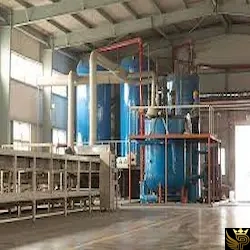
Polyethylene Wax (PE Wax) and Fischer-Tropsch Wax (FT Wax) are two prominent synthetic waxes used across various industries. While both offer lubrication, thermal stability, and surface enhancement, they differ significantly in chemical structure, molecular weight, processing behavior, and application performance. Understanding these differences helps manufacturers select the right wax for their specific needs.
🔥 “Top 5 Industrial Uses of PE Wax for High-Performance Results”
⚗️ Chemical Structure & Physical Properties
| Property | PE Wax | Fischer-Tropsch Wax |
|---|---|---|
| Origin | Derived from ethylene polymerization or PE resin cracking | Synthesized from syngas (CO + H₂) via Fischer-Tropsch process |
| Molecular Weight | Higher (≈3,500–4,000) with branched chains | Lower (≈500–1,000), linear saturated alkanes |
| Crystallinity | Moderate | High crystallinity and linearity |
| Viscosity | Moderate | Very low (≈10), high lubrication efficiency |
| Melting Point | 100°C–130°C | >85°C with narrow melting range |
| Oxidation Resistance | Good | Excellent; strong antioxidant properties |
| Surface Hardness | Medium | High; low oil content and better scratch resistance |
🏭 Application Performance Comparison
PE Wax is ideal for:
- Plastic processing: PVC, PE, PP as dispersant and lubricant
- Coatings & inks: Enhances pigment dispersion, wear resistance
- Rubber industry: Mold release and surface polishing
- Textiles & leather: Lubrication and antistatic finishing
FT Wax excels in:
- High-end plastics: Requires 40–50% less dosage than PE Wax
- Hot melt adhesives: Acts as viscosity regulator
- Premium coatings: Suitable for high-temp applications (e.g., food packaging)
- Polishes & varnishes: Replaces carnauba wax in automotive and wood finishes
- Printing inks: Improves gloss, rub resistance, and anti-blocking
📈 Market & Selection Insights
- PE Wax: Widely available, petroleum-based, cost-effective for general use
- FT Wax: Coal or natural gas-based, premium-grade, dominated by producers like Sasol and Shell
📌 Selection Tip: Choose PE Wax for cost-sensitive, general-purpose formulations. Opt for FT Wax when high gloss, extreme temperature resistance, or reduced dosage is critical.
🔹 8. Bulk Supply and Packaging Options for PE Wax
🏭 Industrial Supply Formats
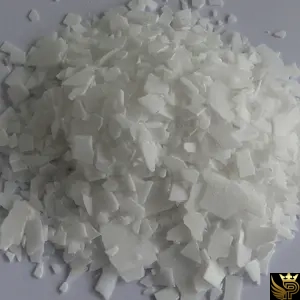
Polyethylene Wax (PE Wax) is available in a wide range of bulk supply formats to meet the diverse needs of manufacturers, distributors, and compounders. Whether you’re sourcing for high-volume production or specialized applications, suppliers offer flexible options tailored to your logistics and handling requirements.
🔥 “Top 5 Industrial Uses of PE Wax for High-Performance Results”
📦 Common Packaging Types
| Form of PE Wax | Packaging Options | Typical Weight Range |
|---|---|---|
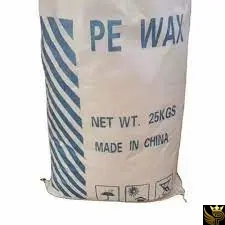
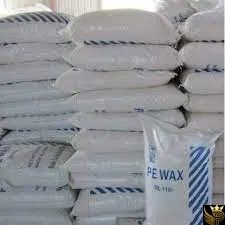
| Flakes | Poly-lined paper bags, jumbo sacks | 25 kg – 1000 kg |
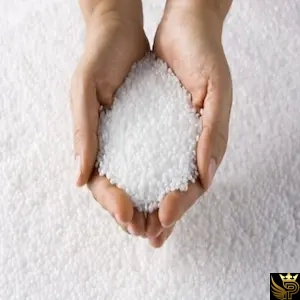
| Granules | HDPE woven bags, bulk containers | 25 kg – 1200 kg |
| Powder | Moisture-proof bags, fiber drums | 20 kg – 500 kg |
| Pastilles | PE-lined cartons, palletized shrink-wrapped units | 25 kg – 1000 kg |
| Liquid (oxidized) | IBC tanks, steel drums | 200 L – 1000 L |
🚚 Logistics & Handling Notes
- Minimum Order Quantities (MOQ): Typically range from 1 ton to 20 tons depending on supplier
- Lead Times: Vary by region and grade; standard delivery within 2–4 weeks for stocked items
- Storage Conditions: Store in dry, cool areas away from direct sunlight; avoid moisture exposure
- Custom Labeling: Available for private-label distributors or OEMs
- Export Compliance: Most suppliers offer FCA/EXW terms with international documentation support
🌍 Global Supplier Availability
PE Wax is supplied by manufacturers across Europe, Asia, and the Middle East, including trusted names like DEUREX AG, Alpha Wax BV, and Iran Chemical Mine. These suppliers offer technical-grade and food-contact approved variants, with packaging tailored for bulk transport and industrial use.
🔹 9. Environmental and Safety Aspects of PE Wax
🌱 Eco-Friendly Profile
Polyethylene Wax (PE Wax) is considered a low-impact synthetic material when used responsibly. Its non-toxic nature, chemical stability, and low volatility make it suitable for a wide range of industrial applications with minimal environmental footprint.
- Biodegradability: While PE Wax is not inherently biodegradable, it can be blended with bio-based materials or used in recyclable systems to reduce long-term waste
- Low Emissions: PE Wax has low vapor pressure and does not release harmful VOCs during processing
- Energy Efficiency: Its lubricating properties reduce friction in machinery, lowering energy consumption and carbon emissions
- Packaging Sustainability: Thinner films and coatings enabled by PE Wax reduce material usage and waste generation
📌 Note: In food packaging, PE Wax enhances barrier properties and mechanical strength, allowing for safer and more sustainable preservation of perishable goods.
🔥 “Top 5 Industrial Uses of PE Wax for High-Performance Results”
🛡️ Safety Considerations
PE Wax is generally classified as non-hazardous under most international chemical safety regulations:
- CAS Number: 9002-88-4
- OSHA & REACH Classification: Not considered hazardous; no special labeling required
- Skin & Eye Contact: Mild irritation may occur with direct contact; standard PPE (gloves, goggles) is recommended
- Inhalation Risk: Negligible under normal conditions; ensure proper ventilation during high-temperature processing
- Storage Guidelines: Store in cool, dry areas away from direct sunlight and moisture
✅ PE Wax is approved for incidental food contact in many jurisdictions, making it suitable for coatings, packaging, and lubricants in sensitive applications.
🤝 Produced by Paraffin Vaseline Pure Plus Co.
We at Paraffin Vaseline Pure Plus Co., based in Tehran Province, Iran, are proud producers of high-quality PE Wax tailored for industrial and export markets. Our products meet international safety standards and are available in various grades and packaging formats.
📬 Explore cooperation opportunities We have a special offer for bulk buyers, distributors, and manufacturers seeking reliable supply and technical support.
- 📧 Email:
- 🌐 Website:
- 📞 Iran: +98 917 998 8207
- 📞 India: +91 8921 628656
- 👤 Contact: Yaser Badrzadeh
🔹 10. Why Leading Manufacturers Trust PE Wax
🏆 Proven Performance Across Industries
Polyethylene Wax (PE Wax) has earned the trust of leading manufacturers worldwide due to its versatility, consistency, and cost-effectiveness. From plastics and coatings to adhesives and rubber, PE Wax enhances processing efficiency, surface quality, and product durability—making it a go-to additive for high-performance formulations.
🔍 Key Reasons for Industry Trust
- Reliable Thermal Stability: Maintains integrity under high-temperature conditions, ensuring consistent output
- Superior Lubrication: Reduces friction in extrusion and molding, lowering energy consumption and wear
- Excellent Compatibility: Blends seamlessly with polymers, pigments, and additives across multiple systems
- Customizable Grades: Available in various molecular weights and forms to suit specific industrial needs
- Regulatory Compliance: Approved for use in food-contact and sensitive applications in many global markets
- Global Supply Chain Confidence: Manufacturers prefer suppliers who offer consistent quality, technical support, and timely delivery
📌 Insight: Top producers like BASF, Honeywell, and Clariant have built their PE Wax portfolios around innovation, sustainability, and performance—setting benchmarks that trusted regional suppliers now match.
🏭 Trusted Production by Paraffin Vaseline Pure Plus Co.
At Paraffin Vaseline Pure Plus Co., based in Tehran Province, Iran, we proudly manufacture high-quality PE Wax tailored for industrial and export markets. Our products meet international standards and are available in multiple grades and packaging formats to suit diverse applications.
We offer:
- ✅ Technical-grade and food-contact approved PE Wax
- ✅ Bulk supply options with flexible packaging
- ✅ Custom labeling and formulation support
- ✅ Fast response and global delivery capabilities
📬 Explore cooperation opportunities We have a special offer for bulk buyers, distributors, and manufacturers seeking reliable supply and long-term partnership.
- 📧 Email:
- 🌐 Website:
- 📞 Iran: +98 917 998 8207
- 📞 India: +91 8921 628656
- 👤 Contact: Yaser Badrzadeh
10 Powerful Benefits of Buying Premium Paraffin Wax in Bulk for 2025
🔥 “Top 5 Industrial Uses of PE Wax for High-Performance Results”
✍️ Final Note
PE Wax continues to be a cornerstone ingredient for manufacturers who value efficiency, quality, and scalability. With trusted suppliers like Paraffin Vaseline Pure Plus Co. leading the way, industries can count on consistent performance and responsive support—today and into the future.
Top 5 uses of PE wax, PE wax bulk applications, Industrial PE wax uses, PE wax for plastics, PE wax for coatings, PE wax for adhesives, PE wax for rubber processing, Buy PE wax in bulk, Wholesale PE wax from Iran, Bulk selling PE wax from Iran, Bulk buying PE wax from Iran, Manufacturer of PE wax in Tehran, Manufacturer of PE wax in London, Manufacturer of PE wax in New York, Manufacturer of PE wax in Dubai, Manufacturer of PE wax in Mumbai, Manufacturer of PE wax in Istanbul, Manufacturer of PE wax in Los Angeles, Manufacturer of PE wax in Paris, Manufacturer of PE wax in Jakarta, Manufacturer of PE wax in Cairo