




| Row Number | SEO Optimized Heading |
|---|---|
| 1 | Why Fully Refined Paraffin Wax Is the Preferred Choice for Industrial Bulk Buyers |
| 2 | 8 Proven Benefits of Fully Refined Paraffin Wax for Manufacturers and Global Suppliers |
| 3 | Key Industrial Applications of Fully Refined Paraffin Wax Across Global Markets |
| 4 | How to Choose a Reliable Fully Refined Paraffin Wax Supplier for Bulk Supply |
| 5 | Fully Refined vs Semi Refined Paraffin Wax: Which Option Fits Your Industry Best? |
| 6 | Quality Standards, Oil Content, and Melting Point: What B2B Importers Must Check |
| 7 | Why Exporters and Distributors Prefer Premium Paraffin Wax Manufacturer Partnerships |
| 8 | Bulk Packaging, Logistics, and Export Solutions for International Paraffin Wax Buyers |
| 9 | Cosmetic Grade and Industrial Grade Paraffin Wax: Understanding the Key Differences |
| 10 | How a Trusted Paraffin Wax Manufacturer Supports Long-Term Growth in the Global Market |
Table of Contents
Toggle🏭 1. Why Fully Refined Paraffin Wax Is the Preferred Choice for Industrial Bulk Buyers
For B2B buyers, “fully refined” is not a marketing phrase—it’s a risk-control decision. When procurement teams in Dubai, Istanbul, Mumbai, or São Paulo source wax for high-throughput production, they prioritize consistency, low contaminants, and predictable performance across batches. Fully refined paraffin wax is preferred because it delivers a cleaner hydrocarbon profile, tighter specification control, and better processing stability than less refined alternatives—especially when you are buying in bulk and converting wax into finished goods at scale.
In industrial environments, small variances create large costs. A slightly higher oil content can soften finished products, cause sweating or oil migration, and reduce shelf appeal in packaging applications. Trace impurities can impact odor, color, and compatibility with additives—issues that distributors in Mexico City or importers in Jakarta often detect only after the container has arrived and the wax is in production. Working with a paraffin wax manufacturer that can reliably supply fully refined grades helps reduce claim rates, rework, and production downtime.
Another reason fully refined wax wins is versatility across end-use sectors. Industrial paraffin wax is widely used for candles, packaging and coating, board impregnation, rubber and tire processing, textiles, match production, and various compound formulations. In each of these sectors, buyers expect stable congealing behavior, consistent melting point ranges, and a clean appearance that supports “premium” positioning—especially for export-oriented manufacturers serving end users in Ho Chi Minh City, Cairo, or Johannesburg.
From a commercial standpoint, fully refined wax also supports smoother global trade. Importers and bulk wax distributors typically need clear documentation, repeatable COA values, and packaging that maintains product integrity during long transit times. A bulk paraffin wax supplier that understands export logistics, container stuffing, and temperature management reduces the friction that often appears between supplier, freight forwarder, and receiving warehouse. 📦🚢

8 Proven Benefits of Fully Refined Paraffin Wax for Industry
What “Fully Refined” Means for Your Production Line (Practical Impact)
Fully refined paraffin wax typically offers:
- Lower oil content, reducing sweating, tackiness, and migration in finished products
- Better color and odor profile, important for “clean label” perception in consumer-facing goods
- Improved batch-to-batch consistency, critical for automated dosing and blending systems
- More predictable compatibility with polymers, resins, fragrances, and fillers
- Higher confidence in downstream quality, which matters when you supply multiple customers as a distributor
These benefits become especially tangible when you operate at scale, where every deviation affects yield, rejects, and customer satisfaction.
Buyer’s Quick-Check Table for Fully Refined Paraffin Wax (B2B Use Case)
| Procurement Checkpoint | Why It Matters to Industrial Buyers | Typical Outcome When Controlled Well |
|---|---|---|
| Melting point range consistency | Determines processing window and final texture | Stable runs, fewer line adjustments |
| Oil content control | Reduces sweating, softening, and migration | Better surface finish and shelf stability |
| Color (appearance) | Impacts perceived quality in coatings/candles | Premium look, fewer customer complaints |
| Odor neutrality | Critical for consumer products & packaging | Cleaner finished goods, less rework |
| COA & batch traceability | Enables import compliance and dispute resolution | Faster receiving, fewer claim escalations |
| Packaging integrity for export | Prevents contamination and deformation in transit | Lower losses during long-haul shipping |
Sourcing Note for Importers and Distributors
If you are an importer in Karachi building a regional supply program, or a procurement manager consolidating purchases for multiple plants, the smartest approach is to qualify a long-term paraffin wax supplier based on consistent specs, reliable bulk availability, and export-ready packaging. The goal is not just to buy wax—it is to secure a stable input for your production economics and your customer commitments.
If you want, share your target application (candles, packaging, rubber, cosmetics, or blends with microcrystalline/slack wax). I can tailor the buying checklist and the key specs you should request on the COA for that specific industrial use.
🌍 2. 8 Proven Benefits of Fully Refined Paraffin Wax for Manufacturers and Global Suppliers
For manufacturers and trading companies, fully refined paraffin wax is more than a commodity—it is a controllable input that protects your production consistency, brand positioning, and customer relationships. In global supply chains that run from Tehran to Dubai, from Istanbul to Johannesburg, and from Mumbai to Jakarta, buyers expect repeatable performance across every shipment. That expectation is exactly why experienced procurement teams often shortlist a fully refined grade when they need an industrial wax exporter with stable bulk supply.
Below are eight proven, practical benefits that matter in real B2B operations—especially for importers, bulk wax distributors, and factories that cannot afford surprises after a container lands.
1) Cleaner Appearance for Premium Finished Goods
Fully refined wax typically offers a whiter, brighter appearance. This is valuable for candle makers selling into premium retail channels in São Paulo or Mexico City, and also for packaging or coating lines where the visual finish is part of product quality.
2) Lower Odor Profile for Sensitive Applications
Odor neutrality matters in consumer-facing products and packaging. When a paraffin wax manufacturer controls refining and quality, the wax integrates better with fragrances and additives—reducing the risk of off-notes that trigger customer complaints.
3) Reduced Oil Migration and “Sweating”
Lower oil content helps prevent surface sweating, tackiness, and migration. For industrial buyers using wax in corrugated board impregnation, paper coating, or rubber processing, this translates into fewer rejects and better shelf stability—especially in warm climates like Cairo or Karachi.
4) Stable Melting and Congealing Behavior
Predictable phase behavior means smoother processing. Whether you are blending wax for candles, compound formulations, or textile applications, tighter melting point control reduces the need for constant temperature corrections and minimizes batch variability.
5) Better Compatibility With Additives and Blends
Fully refined wax generally behaves more consistently with polymers, resins, fillers, and fragrance systems. That matters to trading companies building customized blends—sometimes combining industrial paraffin wax with microcrystalline wax for flexibility and binding, or with slack wax-derived cuts depending on price targets.
6) Improved Storage and Handling for Bulk Supply Chains
Bulk paraffin wax supplier programs often involve long storage cycles, multiple warehouse transfers, and cross-docking. Fully refined wax is typically easier to manage because it is less prone to odor contamination and quality drift when stored correctly, helping distributors maintain a reliable inventory standard.
7) Lower Claim Risk for Importers and Distributors
In B2B trade, the real cost of inconsistency is not only technical—it is commercial. Claims, delays, and customer disputes can damage long-term contracts. Working with an industrial wax exporter that provides consistent COA values and traceability reduces friction across international deals.
8) Stronger Positioning in the Global Market
When you sell to industrial customers, “fully refined” supports premium positioning. For buyers in Dubai, Ho Chi Minh City, or Istanbul who resell to multiple downstream sectors, fully refined grades often open doors to higher-value accounts and long-term supply agreements.
Summary Table: 8 Benefits and Where They Matter Most
| Benefit | What It Improves | Common High-Volume Industries / Buyers |
|---|---|---|
| Cleaner appearance | Product aesthetics, perceived quality | Candles, coatings, packaging converters |
| Lower odor | Consumer acceptance, additive performance | Candles, packaging, household goods |
| Reduced oil migration | Shelf stability, surface finish | Packaging, board impregnation, rubber |
| Stable melt/congeal | Process control, repeatability | Candle factories, compounders, textiles |
| Additive compatibility | Formulation success rate | Blenders, chemical distributors |
| Easier handling in bulk | Inventory reliability | Importers, bulk wax distributors |
| Lower claim risk | Fewer disputes and returns | Trading companies, regional distributors |
| Premium positioning | Better margins, stronger contracts | Global suppliers, exporters, OEM buyers |
For procurement teams, the next step is aligning these benefits with your application and target market. A cosmetic-grade buyer may prioritize odor and color, while an industrial bulk buyer may prioritize oil content and melt stability. If you share your destination market (e.g., Dubai or Johannesburg) and usage (candles, packaging, rubber, or blends), I can recommend the most suitable spec range to request from your paraffin wax supplier—without overpaying for unnecessary parameters.
🧪 3. Key Specifications to Check When Buying Fully Refined Paraffin Wax (COA Guide for Importers)
When you purchase fully refined paraffin wax in bulk—whether as a manufacturer, importer, or distributor—the safest way to avoid quality disputes is to buy by specification, not by name. “Fully refined” can vary by producer and region, so your purchase order and contract should be anchored to measurable parameters listed on the Certificate of Analysis (COA).
Below is a practical COA checklist that global buyers commonly use when qualifying a paraffin wax manufacturer or an industrial wax exporter.
3.1 Melting Point (MP) / Congealing Point
Why it matters: It determines your processing window and final product texture (hardness, rigidity, burn behavior in candles, coating performance in packaging).
Buyer tip: Request a range, not a single number (e.g., 58–60°C), and confirm the test method used by the supplier to ensure comparability across shipments.
3.2 Oil Content (%)
Why it matters: Oil drives sweating, tackiness, softness, and migration. In many applications, oil content is one of the first reasons customers reject a shipment—especially in warm markets (Dubai, Karachi, Cairo).
What to watch: If you are a bulk wax distributor selling to candle and packaging customers, tighter oil control usually means fewer claims.
3.3 Color / Appearance
Suppliers may report this as:
- Saybolt color
- Color index
- Or internal grading descriptions
Why it matters: Appearance affects perceived quality and is critical for premium candles, coatings, and consumer packaging.
3.4 Odor (Neutrality)
Odor may be reported as a qualitative check (pass/fail) or by an internal panel method.
Why it matters: Odor problems often show up after blending with fragrance or after storage. If you supply candle manufacturers or packaging converters, odor neutrality becomes a “silent spec” that can make or break repeat orders.
3.5 Penetration (Hardness) at a Given Temperature
Why it matters: Penetration correlates with hardness and mechanical feel. It helps buyers predict behavior in candles, wax blends, and certain coating uses.
Procurement note: Always confirm the test temperature (e.g., penetration at 25°C). Two COAs can look “similar” but be incomparable if temperatures differ.
3.6 Flash Point
Why it matters: A safety and compliance indicator for handling, heating, and shipping. Also signals the degree of light fractions present.
For importers: Flash point may be asked during logistics, warehousing, or regulatory documentation review depending on destination.
3.7 Viscosity (Often at 100°C)
Why it matters: Impacts flow behavior in coating and impregnation lines, and can affect blending efficiency in automated systems.
Who cares most: Packaging/coating manufacturers, board impregnation operations, and industrial blenders.
3.8 Needle/Congealing Behavior, Micro Content (If Applicable)
Some buyers—especially compounders—request additional data depending on how the wax is used (e.g., specialty blends or performance-sensitive formulations).
Best practice: If your end use is complex, create an “application spec sheet” and make it part of supplier qualification.
8 Proven Benefits of Fully Refined Paraffin Wax for Industry
COA Checklist Table (Copy-Paste Friendly)
| COA Parameter | What It Controls | Why You Should Check It in Bulk Orders |
|---|---|---|
| Melting / Congealing Point | Processing window, texture | Prevents batch variability and line adjustments |
| Oil Content (%) | Sweating, migration, softness | Reduces rejects and customer claims |
| Color (Saybolt / visual) | Appearance | Protects premium positioning |
| Odor | Product acceptability | Avoids complaints in candles/packaging |
| Penetration | Hardness | Ensures consistent mechanical feel |
| Flash Point | Safety, light fractions | Supports safe heating and compliance |
| Viscosity | Flow & coating behavior | Improves process stability |
| Packaging/marking details | Handling, traceability | Protects shipment integrity and dispute resolution |
What to Put in Your Purchase Order (PO) to Reduce Risk
To avoid “spec gaps” between supplier and buyer, add:
- Grade + melting point range
- Max oil content
- Accepted test methods (or at least method family/standard)
- COA required for each lot
- Batch/lot traceability on packaging
- Inspection/claim window after arrival
⚖️ 4. Difference Between Fully Refined, Semi Refined, and Slack Wax (Buyer-Friendly Comparison)
In paraffin sourcing, many disputes happen because buyers and suppliers use the same word—paraffin wax—but mean different grades. The three most common categories you will see in international trade are fully refined paraffin wax, semi refined paraffin wax, and slack wax. Each grade has a different refining level, oil content, odor profile, and typical end-use. For importers, manufacturers, and bulk wax distributors, understanding these differences helps you choose the correct product for your market and avoid claim issues after delivery.
A professional paraffin wax supplier should clearly state the grade and provide a COA for each lot. If the supplier cannot clearly explain whether the product is fully refined, semi refined, or slack wax—and how it was produced—this is usually a warning sign for buyers who need stable industrial supply.
4.1 Slack Wax: the least refined option
Slack wax is the raw wax fraction obtained during the first stage of lubricating oil production (dewaxing). It typically contains a relatively high amount of oil and impurities compared with refined grades.
Key characteristics (typical):
- Higher oil content
- Stronger odor
- Darker or less clean appearance
- Lower price compared to refined waxes
- Often requires further processing before being used in sensitive applications
Common uses:
Slack wax is mainly used as a feedstock for producing refined paraffin wax, and it is also used in low-spec industrial applications where appearance and odor are less critical.
Buyer note: If your downstream customer is expecting a clean, white wax for candles or packaging, slack wax is usually not suitable unless further refined.
4.2 Semi Refined Paraffin Wax: balanced price and performance
Semi refined paraffin wax sits between slack wax and fully refined wax. It is processed enough to reduce oil and improve appearance, but it still may contain more oil and odor than fully refined grades.
Key characteristics (typical):
- Moderate oil content (higher than fully refined)
- Mild odor may remain
- Appearance is cleaner than slack wax but less bright than fully refined
- Cost-effective choice for many industrial users
Common uses:
- Standard candle production (mid-range markets)
- Rubber and tire industries (depending on formulation)
- Some board impregnation and coating applications
- General industrial blending where ultra-low odor is not mandatory
Buyer note: Semi refined wax can be a smart choice for price-sensitive markets, but you should align oil content and odor with your customer expectations—especially if you export to warmer regions where sweating risk increases.
4.3 Fully Refined Paraffin Wax: premium consistency for global markets
Fully refined paraffin wax is the most processed grade among the three. It is designed to offer a cleaner hydrocarbon profile, lower oil content, better odor neutrality, and improved color.
Key characteristics (typical):
- Lower oil content
- Neutral or very low odor
- Whiter, cleaner appearance
- Better batch-to-batch consistency
- Higher price, but lower claim risk
Common uses:
- Premium candles (especially for export)
- Packaging, coating, paper and board impregnation where appearance and stability matter
- Cosmetics and personal care (only when appropriate cosmetic-grade compliance is met)
- High-standard industrial blends that require consistent specs
Buyer note: If you are a bulk paraffin wax supplier to multiple customers, fully refined wax often reduces complaints and helps maintain long-term contracts.
Comparison Table (Fully Refined vs Semi Refined vs Slack Wax)
| Factor | Slack Wax | Semi Refined Paraffin Wax | Fully Refined Paraffin Wax |
|---|---|---|---|
| Refining level | Low | Medium | High |
| Oil content | High | Medium | Low |
| Odor | Stronger | Mild to moderate | Low / neutral |
| Color/appearance | Less clean | Cleaner | Cleanest/whitest |
| Typical price | Lowest | Mid | Highest |
| Best for | Feedstock, low-spec uses | Cost-effective industrial use | Premium & export-sensitive uses |
| Claim risk in export trade | High | Medium | Low |
How to Choose the Right Grade (Practical Guidance)
If you are buying for:
- Premium candle markets / export to strict customers → fully refined is usually the safest option
- General industrial use with price pressure → semi refined can be a balanced choice
- Further refining, low-end applications, or blending feedstock → slack wax may fit, but manage expectations carefully
If you tell me your target market and end-use (e.g., candles for Africa, packaging converters in GCC, or rubber factories in Turkey), I can recommend which grade and spec ranges typically work best—and what minimum COA limits you should request to avoid disputes.
🚢 5. Export & Packaging Options for Paraffin Wax (Carton, Bag, Slab, Jumbo) + Shipping Notes
In international trade, paraffin wax quality is only half of the deal—the other half is how it is packed, labeled, loaded, and protected during transit. Many claim cases are not caused by the wax itself, but by weak packaging, poor palletizing, incorrect labeling, contamination, or heat exposure inside containers. That is why professional importers and bulk wax distributors treat packaging as part of specification control.
Below are the most common export packaging formats for fully refined paraffin wax, their advantages, typical buyer preferences, and practical shipping notes.
5.1 Carton packing (Slab in cartons)
What it is: Wax is poured into slabs/blocks and packed inside cartons (often with inner liners).
Why buyers choose it:
- Easy handling and counting at destination
- Cleaner presentation for distributors
- Often preferred for customers who break bulk and resell
Common use cases:
- Candle factories
- Regional distributors supplying multiple small manufacturers
- Warehouses that need easier inventory management
Risk points to control:
- Carton strength (humidity resistance)
- Inner liner quality to prevent contamination
- Clear batch marking on each carton
5.2 PP Bag / Woven bag packing
What it is: Wax slabs are packed in strong PP or woven bags, sometimes with an internal PE liner.
Why buyers choose it:
- Often cost-effective compared to cartons
- Less packaging waste
- Faster packing and loading for some suppliers
Common use cases:
- Industrial customers focusing on cost efficiency
- Markets where cartons may be damaged easily during handling
Risk points to control:
- Bag tearing during loading/unloading
- Exposure to dust and contamination without inner liner
- Weak stitching leading to loss or damage
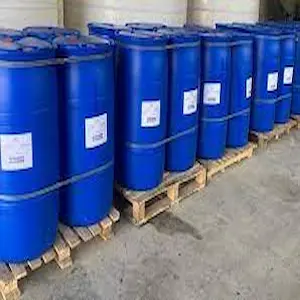
5.3 Jumbo bag (Big bag / 500–1000 kg)
What it is: Large bulk bag units, typically for high-volume industrial users.
Why buyers choose it:
- Efficient for large consumers
- Lower unit handling cost
- Faster warehouse operations if equipped properly
Common use cases:
- Large candle plants
- Industrial blending and compounding units
- Big distributors with automated handling
Risk points to control:
- Requires proper forklift handling and warehouse facilities
- Higher loss risk if bag tears
- Not ideal for customers who need small packs for resale
5.4 Bulk loading (rare for paraffin wax blocks)
In some cases, paraffin wax can move in bulk or as melted wax, but this is less common for standard block/slab export because it needs specialized heated tanks, controlled temperature logistics, and strict contamination control. Most international buyers prefer solid slabs for reliability.
Packaging Comparison Table (Exporter-Friendly)
| Packaging Type | Typical Unit | Advantages | Common Buyer Type | Main Risk |
|---|---|---|---|---|
| Carton | 20–30 kg cartons (varies) | Clean, easy handling, resale-friendly | Distributors, mixed customers | Carton damage in humidity |
| PP/Woven Bag | 20–30 kg (varies) | Cost-effective, fast loading | Industrial buyers | Tearing, contamination risk |
| Jumbo Bag | 500–1000 kg | Efficient, low handling cost | Large factories | Requires proper equipment |
| Melted/Bulk (special) | Tanker/tank container | High efficiency for specialized users | Very large industrial users | Logistics complexity |
Practical Shipping Notes (Avoid Claims)
Container loading & heat management
- Paraffin wax can soften in high heat. In summer shipments to regions like GCC, South Asia, and parts of Africa, internal container temperature can rise significantly.
- Proper palletizing and airflow considerations help reduce deformation and sticking.
Palletizing and stacking
- Use strong pallets and stable stacking patterns.
- Stretch wrapping and corner protection reduce movement and carton crushing.
Marking and documentation
Every export shipment should have:
- Product name + grade (Fully Refined / Semi Refined)
- Melting point range
- Net weight / gross weight
- Batch/lot number linked to COA
- Country of origin
- Packing list consistency with invoice and BL
Storage at destination
- Keep wax in a dry, cool, shaded area
- Avoid direct sun exposure
- Prevent odor contamination from nearby chemicals
Closing Note
A consistent packaging format, strong labeling discipline, and correct container loading practices are essential for protecting fully refined paraffin wax quality during export. When packaging is treated as part of specification control, both supplier and buyer reduce disputes, claims, and shipment losses

8 Proven Benefits of Fully Refined Paraffin Wax for Industry
🏭 6. Common Industrial Applications of Fully Refined Paraffin Wax (Where It Performs Best)
Fully refined paraffin wax is widely traded because it is a stable, clean, and versatile hydrocarbon material. Its controlled oil content, improved odor profile, and consistent melting behavior make it suitable for many industrial processes—especially when manufacturers need repeatable results across high-volume batches.
Below are the most common industrial applications where fully refined paraffin wax performs best, along with what buyers typically expect from the wax in each sector.
6.1 Candle Manufacturing (Premium & Export Grades)
Why fully refined is preferred:
- Cleaner appearance (important for premium candles)
- Low odor supports fragrance performance
- Stable melting range improves pouring and burn consistency
Used in:
- Pillar candles, container candles, tealights
- Blends with stearic acid, microcrystalline wax, or additives depending on climate and design
Buyer expectation:
Consistent melting point and low oil migration to avoid sweating and surface defects.
6.2 Packaging, Paper Coating, and Board Impregnation
Fully refined wax is commonly used to improve moisture resistance and barrier properties.
Why fully refined is preferred:
- Better odor neutrality (important for packaging)
- More predictable coating behavior
- Cleaner color supports visual quality
Used in:
- Waxed paper
- Corrugated board impregnation
- Protective coatings for cartons and industrial packaging
Buyer expectation:
Stable viscosity and congealing point for consistent coating thickness.
6.3 Rubber, Tire, and Cable Industries
Paraffin wax is used as a protective agent and processing aid in rubber and cable compounds.
Why fully refined is used:
- Helps improve surface protection and aging resistance in some formulations
- Supports more consistent compounding behavior compared to lower-grade wax
Used in:
- Rubber compounding
- Tire-related processing
- Cable and wire compound systems (depending on formulation)
Buyer expectation:
Stable hardness (penetration) and predictable compatibility with fillers and polymers.
6.4 Cosmetics & Personal Care (Only When Appropriate Grade/Compliance Applies)
Paraffin wax can be used in personal care products, but buyers must ensure proper suitability and compliance.
Why fully refined is selected:
- Low odor and clean appearance
- Better purity compared with semi refined or slack wax
Used in:
- Creams, lotions (as texture modifier in some formulations)
- Hair removal wax blends
- Ointment-type products
Buyer expectation:
Very clean odor, controlled color, and documentation aligned with the buyer’s regulatory requirements.
6.5 Hot-Melt and Industrial Adhesives (Formulation Dependent)
In some adhesive systems, paraffin wax acts as a modifier.
Why fully refined helps:
- Consistent melt behavior
- Cleaner interaction with resins and polymers
Buyer expectation:
Repeatable performance in blending and application temperature window.
6.6 Textiles (Finishing and Processing)
Paraffin wax may be used in textile finishing to improve handling and processing.
Why fully refined is preferred:
- Cleaner odor profile
- More consistent lubrication/finish behavior
Buyer expectation:
Consistency to avoid uneven finishing results.
6.7 Matches and Industrial Ignition Products
Paraffin wax is a traditional component in match production and certain ignition-related products.
Why fully refined is used:
- Cleaner burning behavior than less refined waxes
- Better appearance and stability
Quick Summary Table: Application vs. What Matters Most
| Industry / Application | Why Fully Refined Helps | Key Specs Buyers Watch |
|---|---|---|
| Candles | Appearance, low odor, stable burn | Melting point, oil content, color, odor |
| Packaging/coating | Barrier + clean odor | Viscosity, congealing point, odor, color |
| Rubber/tire/cable | Stability and compound performance | Penetration, oil content, compatibility |
| Cosmetics/personal care | Purity, low odor | Odor, color, documentation/grade |
| Adhesives | Melt behavior, blending | Melting point, viscosity, consistency |
| Textiles | Processing consistency | Odor, melt behavior, cleanliness |
| Matches | Clean burn and stability | Odor, consistency, melt behavior |
Closing Note
Because fully refined paraffin wax is consistent and adaptable, it remains a preferred choice for manufacturers and global suppliers serving multiple sectors. Matching the wax grade and key specifications to the end-use is what turns a “generic wax purchase” into a stable, long-term supply program.
🏭 7. Key Specifications to Check Before Buying Fully Refined Paraffin Wax (Buyer’s Checklist)
When sourcing fully refined paraffin wax for export-oriented manufacturing, the “right wax” is the one that matches your application and process window—not just the cheapest offer. Professional buyers typically qualify suppliers by verifying a few technical specs that directly impact performance, storage stability, and batch-to-batch consistency.
Below is a practical checklist used by many paraffin wax manufacturers, bulk wax distributors, and industrial importers in hubs such as Dubai, Mumbai, and Istanbul.
7.1 Core Technical Specifications (What You Should Request)
These are the first parameters most B2B buyers ask for before approving a sample or issuing a PO.
| Specification | Why It Matters | Typical Buyer Target (depends on use) |
|---|---|---|
| Melting Point | Controls hardness, pour behavior, and end-use performance | Common ranges like 58–60°C or 60–62°C |
| Oil Content (%) | Lower oil generally means better appearance/odor stability | Often ≤0.5% for fully refined grades |
| Color (Saybolt / Lovibond) | Impacts appearance in candles, cosmetics, packaging | Higher Saybolt / lower Lovibond preferred |
| Odor | Critical for candles, cosmetics, packaging | “Neutral/low odor” requirement |
| Penetration (Hardness) | Influences flexibility, surface feel, blending behavior | Must match climate and formulation needs |
| Congealing Point | Helps predict cooling/solidification behavior | Useful for coating & processing |
| Needle Penetration @25°C | Standard method for consistency checks | Target varies by grade and MP |
| Flash Point | Safety and handling indicator | Higher is safer (per standard test method) |
7.2 Documentation & Compliance (Often the Deal Breaker)
Even if the wax looks good, documentation gaps can stop a shipment.
| Document / Requirement | Why Buyers Need It | Notes |
|---|---|---|
| COA (Certificate of Analysis) | Confirms each lot meets the spec | Should include test methods & results |
| MSDS/SDS | Required for safe transport & handling | Must match product name/grade |
| TDS (Technical Data Sheet) | Helps technical teams validate usability | Should list typical values + tolerances |
| Country of Origin & HS Code info | Customs clearance + trade compliance | Should be consistent across papers |
| REACH / other declarations (if requested) | Needed in some markets/industries | Depends on destination & use |
7.3 Application-Based Spec Priorities (Choose Specs That Matter Most)
Different industries prioritize different performance factors. This reduces costly “overbuying” (paying for specs you don’t need) or “underbuying” (wax that fails in production).
| End Use | Top Spec Priorities | Common Risk if Specs Don’t Match |
|---|---|---|
| Candles | Melting point, odor, color, oil % | Sweating, frosting, poor scent throw |
| Packaging / Coating | Congealing point, viscosity behavior, odor | Uneven coating, weak moisture barrier |
| Rubber / Tire | Penetration, oil %, compatibility | Blooming issues, process inconsistency |
| Cosmetics (where applicable) | Odor, color, documentation | Off-odor complaints, regulatory rejection |
| Adhesives | Melting point stability, blend behavior | Poor set time, brittle bond |
7.4 Packaging, Logistics, and Storage Checks
Many export issues come from packaging and container conditions, not wax chemistry.
| Item to Check | Why It Matters | Practical Tip |
|---|---|---|
| Packaging type (slab/granule, cartons, bags) | Impacts handling and contamination risk | Request photos + packing spec |
| Net weight tolerance | Avoids claims and shortages | Confirm per carton and per pallet |
| Palletizing & container loading plan | Prevents breakage and deformation | Ask for loading diagram if needed |
| Storage temperature guidelines | Prevents deformation and quality shift | Keep away from heat sources |
7.5 Supplier Qualification Questions (Fast Screening)
Use these questions when shortlisting a paraffin wax supplier for regular shipments to Dubai, Mumbai, Istanbul, or other trading routes:
| Question | What a Good Answer Looks Like |
|---|---|
| Can you provide recent COA for the same grade? | Yes, with consistent values across lots |
| Do you have multiple production lots available? | Yes, with stable batch-to-batch control |
| What is your standard tolerance for MP and oil %? | Clear tolerances, not vague “typical only” |
| Can you support pre-shipment inspection? | Yes, cooperative with third-party checks |
| What are your lead time & monthly capacity? | Specific numbers and realistic timelines |
Closing Note
For international buyers, qualifying fully refined paraffin wax is about reducing risk: technical risk (performance issues), regulatory risk (documentation gaps), and logistics risk (packaging/container problems). If you align the wax grade and its key specifications with your end use from the start, you’ll secure a more stable supply chain and fewer surprises after shipment.
🏭 8. How to Choose the Right Fully Refined Paraffin Wax Supplier for Export Markets
In global B2B trade, choosing a fully refined paraffin wax supplier is not only about price. A competitive quote may look attractive at first, but if the supplier cannot maintain consistent quality, provide export documents, or support repeat shipments, the real cost becomes much higher. For buyers in markets such as Dubai, Mumbai, and Istanbul, supplier selection should focus on reliability, documentation, logistics capability, and long-term communication.
A professional paraffin wax manufacturer or bulk wax distributor should be able to support both technical expectations and commercial requirements. This becomes especially important for importers supplying candles, packaging materials, rubber compounds, cosmetics, and industrial blends where product consistency matters in every batch.
8.1 Evaluate Production Consistency, Not Just the First Sample
Many suppliers can provide a good sample. The real question is whether they can maintain the same quality in repeated commercial shipments.
Key points to verify:
- Stability of melting point
- Low and consistent oil content
- Uniform color and odor
- Reliable batch-to-batch quality control
- Ability to deliver the same grade over time
For industrial buyers, one good container is not enough. The supplier should show that the same product can be shipped regularly without major variation.
| What to Check | Why It Matters | Buyer Benefit |
|---|---|---|
| Batch consistency | Avoids production problems | Stable manufacturing output |
| Repeated lot quality | Reduces complaint risk | Better supply predictability |
| Quality control process | Shows professional operation | More confidence before bulk purchase |
8.2 Confirm Export Documentation and Trade Readiness
A supplier may offer acceptable wax, but without proper export readiness, customs delays and shipment complications can quickly appear.
Important documents usually include:
- COA (Certificate of Analysis)
- TDS (Technical Data Sheet)
- MSDS/SDS
- Packing list
- Commercial invoice
- Certificate of origin if required
For many international buyers, strong documentation is as important as the product itself.
| Export Requirement | Why It Is Important | Result for Buyer |
|---|---|---|
| COA and TDS | Confirms technical specs | Easier technical approval |
| MSDS/SDS | Supports handling and transport | Better compliance |
| Consistent shipping documents | Prevents customs problems | Faster clearance |
8.3 Review Packaging and Logistics Capability
In export business, poor packaging can damage a good product. Buyers should check whether the supplier has suitable packing systems for long-distance shipping and container handling.
What to assess:
- Packaging format: slabs, cartons, bags, or customized packing
- Carton strength and pallet condition
- Clean loading process
- Container planning for hot-weather destinations
- Protection against contamination and deformation
This is particularly relevant for shipments to warm trade hubs like Dubai or long transit routes serving Mumbai and Istanbul.
| Logistics Factor | Why Buyers Should Check It | Practical Impact |
|---|---|---|
| Strong export packaging | Prevents breakage or leakage | Better delivered condition |
| Proper palletizing | Improves handling safety | Lower logistics damage |
| Container loading standards | Protects product in transit | Fewer claims after arrival |
8.4 Assess Communication, Lead Time, and Commercial Reliability
A supplier’s responsiveness often reflects how they will perform after an order is placed. Delayed replies, vague answers, or inconsistent quotations may signal future problems.
Buyers should check:
- Response speed to technical inquiries
- Clarity in quotation and specification details
- Realistic production lead times
- Ability to support repeat orders
- Professional handling of claims or adjustments
A dependable bulk wax distributor or manufacturer should act like a long-term trade partner, not just a one-time seller.
| Supplier Behavior | Why It Matters | Buyer Advantage |
|---|---|---|
| Fast, clear replies | Shows operational discipline | Easier purchasing process |
| Realistic lead times | Supports planning | Lower stock risk |
| Transparent quotations | Prevents misunderstandings | Better cost control |
8.5 Choose a Supplier That Understands Your Industry
The best paraffin wax supplier is one that understands how your end use affects product selection. A candle producer, a packaging converter, and a rubber compound manufacturer may all need fully refined paraffin wax—but not necessarily the same grade or performance profile.
A qualified supplier should be able to discuss:
- Recommended melting point range
- Oil content expectations
- Packaging options
- Climate-related considerations
- Suitability for your manufacturing process
This technical-commercial understanding is what separates a basic trader from a serious industrial supply partner.
| Supplier Strength | What It Shows | Why It Matters |
|---|---|---|
| End-use knowledge | Industry familiarity | Better product matching |
| Technical guidance | Practical support | Fewer ordering mistakes |
| Flexible grade recommendation | Customer focus | Improved application performance |
Closing Note
Choosing the right fully refined paraffin wax supplier means balancing quality, export readiness, packaging reliability, and communication strength. For buyers in competitive markets, the ideal supplier is not simply the one with the lowest price, but the one who can consistently support your business with stable quality, proper documents, and dependable delivery performance.

8 Proven Benefits of Fully Refined Paraffin Wax for Industry
🏭 9. Common Buying Mistakes Importers Make When Sourcing Fully Refined Paraffin Wax
Importing fully refined paraffin wax can be a profitable and stable business decision, but only when buyers avoid the common sourcing mistakes that create quality problems, shipment delays, and unexpected costs. In many cases, the issue is not the wax itself—it is the mismatch between the buyer’s real application, the selected grade, and the supplier’s actual capability.
For buyers working with a paraffin wax manufacturer, bulk wax distributor, or trading partner in active commercial hubs such as Dubai, Mumbai, and Istanbul, avoiding these mistakes can improve both supply reliability and long-term cost control.
9.1 Buying Only on Price Without Checking Technical Fit
One of the most frequent mistakes is choosing the lowest offer without reviewing whether the wax is technically suitable for the intended application.
A cheaper wax may create:
- Poor candle appearance
- Inconsistent coating results
- Odor issues in sensitive applications
- Processing instability in blending or compounding
A lower price per ton may eventually lead to higher costs through production waste, customer complaints, and reformulation.
| Buying Mistake | Immediate Appeal | Long-Term Risk |
|---|---|---|
| Choosing lowest price only | Saves money upfront | Performance problems and claims |
| Ignoring technical specs | Faster purchasing decision | Wrong wax for the application |
9.2 Not Verifying Batch-to-Batch Consistency
Many buyers approve a supplier after receiving one acceptable sample, but do not check whether future lots will remain within the same quality range.
This can cause:
- Variation in melting point
- Changes in odor or color
- Inconsistent hardness
- Production instability across shipments
For industrial procurement, consistency matters more than one-time sample quality.
| Overlooked Issue | What Can Happen | Business Impact |
|---|---|---|
| No batch consistency review | Different performance each shipment | Unstable production planning |
| No recent COA comparison | Hidden variation between lots | More complaints and delays |
9.3 Ignoring Documentation Until After the Order
Some importers focus only on price and product description, then discover too late that the supplier cannot provide complete documents.
Common missing or weak documents:
- COA
- TDS
- MSDS/SDS
- Certificate of origin
- Correct invoice and packing details
Without proper paperwork, buyers may face customs delays, compliance problems, or port-side costs.
| Documentation Mistake | Possible Result | Cost to Buyer |
|---|---|---|
| No pre-check of export papers | Clearance delay | Demurrage and storage charges |
| Inconsistent documents | Customs questions | Time loss and extra coordination |
9.4 Overlooking Packaging and Container Conditions
A good grade of paraffin wax can still arrive in poor condition if export packaging is weak or the loading plan is unsuitable.
Typical issues include:
- Broken cartons
- Product deformation in heat
- Dirty or damaged pallets
- Weight discrepancies
- Contamination during loading
This is especially important for long-distance shipments or hot destinations such as Dubai and some regional trade routes connected to Mumbai and Istanbul.
| Packaging Error | What It Causes | Practical Outcome |
|---|---|---|
| Weak cartons or poor palletizing | Damage during transport | Lower usable quantity |
| No loading quality control | Mixed or deformed cargo | Claims and delivery disputes |
9.5 Failing to Match the Grade to the End Use
Not all fully refined paraffin wax grades are identical. Buyers sometimes assume that “fully refined” alone is enough, without checking the exact melting range, penetration, oil content, or packaging form needed for their process.
Examples of mismatch:
- Buying a higher melting point grade for a process that needs easier flow
- Selecting wax with unsuitable hardness for blending
- Using a general grade for a sensitive odor-dependent product
| Wrong Assumption | Why It Happens | Result |
|---|---|---|
| “All fully refined wax is the same” | Limited technical review | Poor application performance |
| “One grade fits all products” | Simplified sourcing approach | Production inefficiency |
9.6 Not Evaluating Supplier Reliability for Repeat Orders
A supplier may perform well for one shipment, but buyers should also evaluate whether they can support long-term cooperation.
Important factors include:
- Monthly production capacity
- Lead time consistency
- Communication quality
- Willingness to handle claims
- Stability in commercial terms
A reliable paraffin wax supplier should support scale, not just one transaction.
| Supplier Oversight | Short-Term Effect | Long-Term Risk |
|---|---|---|
| No capacity verification | First order may ship | Future orders may be delayed |
| No review of communication quality | Process seems acceptable | Harder issue resolution later |
Closing Note
Most sourcing problems in fully refined paraffin wax purchasing come from avoidable mistakes: focusing only on price, skipping documentation checks, ignoring packaging details, or selecting a grade without matching it to the end use. Importers who use a more structured buying process can reduce risk, improve product performance, and build more dependable supplier relationships over time.
🏭 10. Why Buyers Work with Paraffin Vaseline Pure Plus Co. for Fully Refined Paraffin Wax
In international B2B markets, buyers do not only look for a product—they look for a supplier that can support quality consistency, export documentation, responsive communication, and long-term commercial reliability. For importers and industrial buyers sourcing fully refined paraffin wax for candles, packaging, rubber, cosmetics, and other manufacturing sectors, supplier confidence is a major part of the purchasing decision.
Paraffin Vaseline Pure Plus Co. is positioned to support this need by combining product knowledge with export-focused supply capability. For buyers in trading destinations such as Dubai, Mumbai, Istanbul, and other international markets, this means access to a supplier that understands both technical expectations and shipment requirements.
10.1 What Buyers Typically Value in a Long-Term Supplier
Industrial customers usually prefer suppliers that can offer more than a price list. They look for stable cooperation built on clarity, speed, and consistency.
Key expectations often include:
- Consistent product quality across repeat shipments
- Clear technical documentation
- Practical packaging for export logistics
- Responsive follow-up during inquiry and order stages
- Commercial reliability for ongoing supply programs
| Buyer Priority | Why It Matters | Value in Long-Term Cooperation |
|---|---|---|
| Quality consistency | Reduces production risk | More stable procurement |
| Export documentation | Supports smooth customs process | Fewer shipment delays |
| Communication speed | Improves planning and trust | Faster decision-making |
| Supply continuity | Supports repeated orders | Better inventory control |
10.2 A Supply Partner for Practical, Export-Oriented Needs
For many buyers, the ideal wax supplier is one that understands real business requirements—not just product names and prices.
This includes:
- Support for fully refined paraffin wax inquiries with technical clarity
- Understanding of common buyer priorities such as melting point, oil content, odor, and packaging
- Readiness for bulk supply and repeat export shipments
- Familiarity with the expectations of industrial importers and distributors
This export-oriented approach is particularly useful for buyers searching for a paraffin wax manufacturer, bulk wax distributor, or dependable industrial wax supplier with practical international trade experience.
| Commercial Strength | Benefit to Buyer |
|---|---|
| Technical-product understanding | Better grade selection |
| Bulk order support | Easier scale-up for industrial demand |
| Export-focused coordination | Smoother international transactions |
| Consistent communication | Lower sourcing uncertainty |
10.3 Contact Paraffin Vaseline Pure Plus Co.
Buyers looking for a reliable supplier of fully refined paraffin wax, petroleum derivatives, and related industrial products can contact the company directly for inquiries, quotations, and export discussions.
Paraffin Vaseline Pure Plus Co.
📧 Email: paraffinvaseline.com
🌐 Website: https://paraffinvaseline.com
📞 WhatsApp (Iran): +98-917-998-8207
📞 WhatsApp (END): +44-7388150088
📍 Location: Tehran Province, Iran
👤 Contact: Yaser Badrzadeh
Whether you are an importer, distributor, or industrial end user in Dubai, Mumbai, Istanbul, or other regional and global markets, the company can support your sourcing process with product information and commercial coordination.
Final Note
Choosing the right paraffin wax supplier is about more than finding available stock. It is about building a dependable supply relationship with a company that understands product performance, export procedures, and long-term buyer needs. Paraffin Vaseline Pure Plus Co. aims to be that kind of partner for businesses seeking stable and professional sourcing support in the fully refined paraffin wax market.