



| Row Number | SEO Optimized Heading |
|---|---|
| 1 | What Is Microcrystalline Wax and Why It Matters in Industrial and Bulk Supply Markets |
| 2 | Top Microcrystalline Wax Applications Across Industrial, Cosmetic Grade, and Packaging Sectors |
| 3 | How a Reliable Microcrystalline Wax Supplier Supports Bulk Buyers and Global Importers |
| 4 | Key Properties That Make Microcrystalline Wax a Preferred Manufacturer Choice |
| 5 | Microcrystalline Wax in Cosmetic Grade Formulations: Quality, Performance, and Compliance |
| 6 | Bulk Microcrystalline Wax for Export: Specifications, Packaging, and International Trade Insights |
| 7 | How Manufacturers and Distributors Use Microcrystalline Wax in the Global Market |
| 8 | Choosing the Right Microcrystalline Wax Manufacturer for Industrial and B2B Requirements |
| 9 | Market Trends, Demand Growth, and Export Opportunities in the Microcrystalline Wax Industry |
| 10 | Why ParaffinVaseline.com Is a Trusted Bulk Supplier for Microcrystalline Wax and Related Products |
Table of Contents
Toggle🧪 1. What Is Microcrystalline Wax and Why It Matters in Industrial and Bulk Supply Markets
Microcrystalline wax is a refined petroleum-based wax known for its fine crystal structure, flexibility, tackiness, and high binding performance, making it a highly valuable material across multiple industrial sectors. Unlike standard paraffin wax, which has a larger crystal formation and a more brittle nature, microcrystalline wax offers better elasticity, stronger adhesion, and improved resistance to moisture and oil migration. For B2B buyers, these characteristics are not just technical details—they directly affect product performance, processing efficiency, packaging stability, and long-term storage quality.
In today’s competitive global market, manufacturers and importers are increasingly looking for raw materials that can serve several industrial purposes while remaining cost-efficient in bulk volumes. This is exactly where a reliable microcrystalline wax supplier becomes important. Whether the buyer is sourcing for adhesive production in Istanbul, packaging compounds in Dubai, rubber processing in Mumbai, or cosmetic applications in Jakarta, microcrystalline wax continues to hold strategic value because of its versatility and formulation stability.
From an industrial standpoint, microcrystalline wax is widely used in hot-melt adhesives, rubber compounding, candle blending, protective coatings, electrical insulation, polishes, packaging laminates, and cosmetic-grade formulations. Its ability to improve texture, enhance flexibility, and stabilize end-product consistency makes it a preferred choice for many production managers and purchasing teams. In bulk supply markets, buyers often compare it with paraffin-based options, but the decision usually depends on application requirements such as melting point, oil content, hardness, and tack.
Another reason microcrystalline wax matters in industrial trade is its role in product customization. A professional manufacturer can produce different grades tailored for specific technical needs, which is especially valuable for importers and bulk distributors serving diverse sectors. For example, an industrial wax exporter supplying clients in Cairo or Karachi may need one grade optimized for packaging and another designed for candle or board applications. This flexibility allows buyers to align purchasing decisions with production requirements rather than settle for one standard wax type.
7 Powerful Insights About Microcrystalline Wax Applications
Key Industrial Value of Microcrystalline Wax
| Property | Business Advantage | Common Industrial Use |
|---|---|---|
| Fine crystal structure | Better blending and smooth texture | Cosmetics, polishes |
| High flexibility | Reduced brittleness in final product | Packaging, rubber |
| Strong adhesion | Improved binding performance | Hot-melt adhesives |
| Higher viscosity | Better structure and consistency | Coatings, sealants |
| Moisture resistance | Longer shelf life and product stability | Industrial wrapping |
| Customizable grades | Easier sourcing for multiple sectors | Export and bulk supply |
For procurement professionals, choosing the right microcrystalline wax manufacturer is not only about price. It is also about consistency between batches, stable specification control, export-ready packaging, and the supplier’s understanding of industrial demand. A buyer in São Paulo may prioritize high-performance wax for board sizing, while a distributor in Mexico City may need steady bulk supply for resale into candle and polish markets. In both cases, quality consistency is critical.
Another important factor is market positioning. As global manufacturing grows across regions such as Ho Chi Minh City, Johannesburg, and the Middle East, demand for specialty waxes continues to rise. Industrial buyers are no longer looking only for commodity materials; they are seeking dependable partners who understand technical applications and can support long-term sourcing strategies. That is why microcrystalline wax has become more than just a raw material—it is now a performance ingredient with a clear role in industrial efficiency and product differentiation.
For B2B buyers, understanding what microcrystalline wax is and why it matters helps create better sourcing decisions, stronger finished products, and more competitive supply chains. In wholesale and export markets, that knowledge can directly translate into lower risk and higher commercial value.
🔍 2. Key Differences Between Microcrystalline Wax and Paraffin Wax in Commercial Applications
For many industrial buyers, one of the most common sourcing questions is simple: should we use microcrystalline wax or paraffin wax? While both are petroleum-derived waxes and both are widely used in manufacturing, their technical behavior, commercial value, and end-use performance can be very different. For B2B buyers, understanding these differences is essential when selecting the right raw material for production, formulation, resale, or export.
The main distinction begins with crystal structure. Paraffin wax has a larger, more defined crystal pattern, which makes it harder and generally more brittle. Microcrystalline wax, on the other hand, has a much finer crystal structure, giving it greater flexibility, toughness, tack, and binding strength. This difference directly affects how each wax performs in real commercial applications.
In industries where shape retention, hardness, and lower cost are the primary concerns, paraffin wax may be the preferred option. It is commonly used in standard candle manufacturing, moisture barriers, paper coating, and low-cost wax blends. However, when the application requires improved elasticity, stronger adhesion, better sealing, or a smoother and more stable texture, microcrystalline wax is usually the better choice. This is why many buyers work with both a paraffin wax supplier and a microcrystalline wax manufacturer depending on their product line.
From a formulation perspective, microcrystalline wax is often used to improve performance inside a blend. Manufacturers may combine it with paraffin wax to reduce brittleness, increase tackiness, and create a more durable final product. This is especially common in sectors such as hot-melt adhesives, cosmetics, rubber processing, protective coatings, electrical insulation, and specialty packaging. In such cases, microcrystalline wax acts as a functional enhancer rather than a low-cost filler.
Another major difference lies in oil retention and viscosity. Microcrystalline wax generally has higher viscosity and better oil-holding capacity, which makes it suitable for applications where consistency and stability are important. Paraffin wax usually offers easier melting and simpler handling, but it may not provide the same structural support in demanding formulations. For wholesale buyers and importers, this means the final choice should not be based on price alone. The wrong wax grade can affect production efficiency, product quality, and customer satisfaction.
Commercial Comparison: Microcrystalline Wax vs Paraffin Wax
| Feature | Microcrystalline Wax | Paraffin Wax |
|---|---|---|
| Crystal structure | Fine and dense | Larger and more defined |
| Flexibility | High | Lower |
| Brittleness | Low | Higher |
| Adhesion / tack | Strong | Moderate to low |
| Oil retention | Better | Lower |
| Texture | Smooth and cohesive | More brittle and firm |
| Typical use | Adhesives, cosmetics, coatings, rubber | Candles, paper coating, basic packaging |
| Price level | Usually higher | Usually more economical |
For a bulk wax buyer, the choice often depends on the intended market. A candle manufacturer producing economy lines may prefer paraffin wax because of cost efficiency and solid burn characteristics. In contrast, a producer of high-performance sealing compounds or industrial laminates may require microcrystalline wax because it provides mechanical strength and better process control. A professional wax exporter should be able to guide clients based on technical application, not just specification sheets.
There is also an important trade consideration here. Paraffin wax is generally more familiar to a broader market and often available in larger commodity volumes. Microcrystalline wax, however, can create higher value for buyers serving specialized sectors. This makes it especially attractive for distributors targeting premium or technical applications in regions where manufacturing standards are rising.
In commercial terms, paraffin wax is often the economical and widely used option, while microcrystalline wax is the performance-driven solution. Smart sourcing decisions depend on balancing cost, application needs, processing behavior, and end-product expectations. For B2B buyers, understanding these differences helps reduce risk and improve procurement outcomes across local and export markets.
🏭 3. Top Microcrystalline Wax Applications: Where Industrial Buyers Get the Highest ROI
Microcrystalline wax is often purchased as a “minor” ingredient, but in many formulations it delivers a disproportionate impact on product performance. For industrial and wholesale buyers, the ROI comes from three practical outcomes: better process stability, higher end-product durability, and reduced quality complaints. Because microcrystalline wax improves adhesion, flexibility, and cohesion, it is widely used in applications where paraffin alone cannot meet performance targets.
Below are the highest-value application areas where B2B buyers—especially manufacturers, converters, and bulk distributors—typically see the strongest commercial benefit.
1) Hot-Melt Adhesives and Pressure-Sensitive Formulations
Microcrystalline wax can act as a viscosity modifier and performance enhancer in adhesive systems. Its tack and cohesive structure support bonding performance and help control set time and flexibility. For buyers supplying packaging, labeling, woodworking, or hygiene markets, selecting the right wax grade can influence:
- bead stability and application behavior
- heat resistance and flexibility in the bonded joint
- storage stability of finished adhesive products
This is why many adhesive producers prefer to source from a consistent microcrystalline wax supplier with stable batch-to-batch specs.
2) Rubber and Tire Compounding
In rubber processing, microcrystalline wax is valued for its compatibility and protective behavior. It is commonly used to support flexibility and help with surface protection characteristics in certain compounds. For industrial buyers, the commercial gain is often improved product uniformity, better processing behavior, and reduced risk of cracking in demanding environments.
3) Protective Coatings, Sealants, and Moisture Barriers
Microcrystalline wax creates a strong barrier film and can improve resistance to moisture and handling stress. It’s used in coatings for industrial packaging, boards, and certain protective applications where durability matters. In export and bulk supply markets, this translates to fewer damaged goods in transit and improved shelf-life—two metrics that directly impact cost.
4) Candle Blends and Specialty Wax Products
While paraffin wax is the primary base for many candle lines, microcrystalline wax is often added to improve:
- adhesion to container walls (reduced wet spots)
- flexibility and reduced brittleness
- appearance stability in certain blends
For manufacturers selling premium candles or container candles, microcrystalline wax can be a “quality differentiator” rather than just an additive.
5) Cosmetics and Personal Care (When Cosmetic-Grade Is Required)
In cosmetics, microcrystalline wax contributes to texture, structure, and sensory feel—particularly in products like lip care, pomades, and certain creams. The key procurement note is grade selection: buyers must ensure the wax is produced and documented for the intended market requirements, with appropriate quality control and regulatory alignment for personal care applications.
6) Polishes, Shoe Care, and Industrial Finishing Products
Microcrystalline wax provides gloss support, binding strength, and smoother application in polish formulations. Distributors serving household-care and industrial-care manufacturers often value microcrystalline wax because it helps stabilize blends and improves consumer-perceived quality.
Application-to-Value Map (B2B-Focused)
| Application Sector | What Microcrystalline Wax Improves | Business Value for Buyers |
|---|---|---|
| Hot-melt adhesives | Tack, cohesion, viscosity control | Fewer bonding failures, stable processing |
| Rubber compounding | Flexibility, surface protection behavior | Reduced cracking risk, consistent output |
| Coatings & barriers | Film strength, moisture resistance | Less transit damage, longer shelf-life |
| Candle blends | Adhesion, reduced brittleness | Premium quality, fewer cosmetic defects |
| Cosmetics (grade-dependent) | Structure, texture, stability | Better product feel, consistent batches |
| Polishes & care products | Gloss, spreadability, binding | Higher perceived quality, stable formulation |
What Buyers Should Specify to Maximize ROI
If you’re sourcing microcrystalline wax in bulk—either as a manufacturer or a distributor—ROI depends heavily on correct specification matching. In procurement terms, you typically want to align on:
- melting point range (process compatibility)
- penetration/hardness (texture and structural behavior)
- viscosity (flow and mixing performance)
- oil content (stability and migration control)
- color/appearance (especially for cosmetics, candles, and polishes)
- packaging format (slabs, granules, cartons, palletization)
In industrial trade, microcrystalline wax delivers its best value when it is treated as a performance ingredient—selected by application needs, verified by consistent COA/spec control, and supplied by a partner capable of reliable bulk supply, export packaging, and repeatable quality.

7 Powerful Insights About Microcrystalline Wax Applications
⚙️ 4. How to Choose the Right Microcrystalline Wax Grade for Manufacturing and Export
For industrial buyers, selecting microcrystalline wax is not simply a matter of ordering “standard wax” in bulk. Different applications require different technical properties, and choosing the wrong grade can lead to processing inefficiency, inconsistent product quality, customer complaints, or even rejected shipments. That is why experienced procurement teams evaluate microcrystalline wax as a specification-driven performance material, not just a commodity.
The first factor to review is the intended application. A wax grade that performs well in hot-melt adhesives may not be suitable for candle blending, and a material selected for cosmetic texture may not match the needs of industrial packaging or rubber compounding. Buyers should begin with a clear internal question: what should this wax improve in the final product? The answer may involve flexibility, tack, hardness, viscosity, moisture resistance, surface finish, or blend stability.
One of the most important technical parameters is melting point. In manufacturing, the melting range affects processing temperature, equipment compatibility, energy use, and product behavior after cooling. A higher melting point may offer better heat resistance and structural stability, while a lower melting point can improve ease of processing in some formulations. Export buyers often request this specification early because it directly influences performance across different climates and transport conditions.
Another key criterion is penetration, which is commonly used to indicate hardness or softness. Softer microcrystalline waxes may provide better flexibility and tack, while harder grades may be preferred for structural reinforcement or firmer finishes. In B2B transactions, understanding penetration helps buyers avoid trial-and-error purchasing and align the wax with end-use expectations.
Viscosity is also critical, especially in coatings, adhesives, and blended wax systems. If viscosity is too high for the customer’s process, mixing and application may become inefficient. If it is too low, the product may lose desired body or cohesion. A qualified microcrystalline wax manufacturer should be able to recommend an appropriate range based on production method and industry use.
Buyers should also assess oil content, color, and odor, particularly for sensitive sectors such as personal care, polish, packaging, and specialty candle production. Even if a wax performs technically, poor visual appearance or undesirable odor can reduce its marketability. For export-focused businesses, these small details often influence customer retention and repeat orders.
Key Buying Factors When Selecting a Microcrystalline Wax Grade
| Specification Factor | Why It Matters | Typical Impact on Business |
|---|---|---|
| Melting point | Determines heat behavior and process compatibility | Better production stability |
| Penetration / hardness | Indicates firmness or flexibility | Improved end-product performance |
| Viscosity | Affects mixing, flow, and formulation balance | Higher process efficiency |
| Oil content | Influences migration, stability, and texture | Better shelf-life and quality |
| Color / appearance | Important for visual-sensitive applications | Higher customer acceptance |
| Odor | Critical in cosmetics and consumer products | Better commercial suitability |
| Packaging type | Affects storage, handling, and export readiness | Lower logistics risk |
Beyond the technical grade itself, industrial buyers should evaluate the supplier’s operational strength. A trusted microcrystalline wax supplier should provide:
- consistent COA and specification sheets
- stable batch quality
- export-capable packaging
- flexible volume supply
- clear communication for wholesale and OEM buyers
This is especially important for distributors and manufacturers serving multiple markets. A company exporting to Africa, the Middle East, or Southeast Asia may need not only competitive pricing but also confidence that the wax will arrive in saleable condition and meet agreed technical standards.
Another practical recommendation is to test the wax in actual production conditions before scaling up. Even if a grade looks suitable on paper, pilot testing helps confirm whether it works well with the buyer’s machinery, additives, climate conditions, and end-product targets. For serious buyers, this step can prevent expensive mistakes in large-volume sourcing.
In global industrial trade, the right microcrystalline wax grade is the one that balances technical performance, processing efficiency, logistics suitability, and commercial reliability. Buyers who define their needs clearly and work with a capable bulk supplier are far more likely to achieve stable results, lower risk, and long-term sourcing success.
📦 5. What B2B Buyers Should Check Before Importing Microcrystalline Wax in Bulk
Importing microcrystalline wax in bulk can be commercially rewarding, but only when buyers approach procurement with a structured checklist. In industrial trade, small oversights in specification, packaging, documentation, or supplier verification can lead to delayed customs clearance, inconsistent production results, customer complaints, or unnecessary financial loss. For manufacturers, traders, and wholesale distributors, the goal is not simply to find a low price—it is to secure a product that performs reliably from shipment to final application.
The first and most important checkpoint is technical specification alignment. Many buyers make the mistake of purchasing microcrystalline wax based on a general product name rather than a defined grade. In reality, industrial applications vary widely. A wax intended for adhesives may differ significantly from one used in polishes, candle blends, packaging compounds, or rubber processing. Before import, B2B buyers should confirm:
- melting point range
- penetration / hardness
- viscosity
- oil content
- color and odor
- recommended application area
A clear specification sheet, together with a recent Certificate of Analysis (COA), helps reduce the risk of receiving a material that does not fit the production process.
The second major factor is supplier credibility. A professional microcrystalline wax manufacturer or exporter should be able to demonstrate consistency, product knowledge, and export experience. This includes clear communication, traceable documentation, standardized packaging, and realistic lead times. A strong supplier does not merely send quotations—they help buyers match the right wax grade with the correct commercial purpose.
Packaging is another critical issue, especially for international trade. Bulk buyers should ask how the wax is packed, protected, and palletized. Export packaging must support safe loading, reduce contamination risk, and protect product quality during long-distance shipping or hot-climate storage. Poor packaging may result in damaged cartons, deformed slabs, or difficult handling at destination warehouses. These problems increase labor costs and can create downstream dissatisfaction among end users.
Documentation should also be reviewed carefully. Depending on the destination country, importers may need some or all of the following:
- commercial invoice
- packing list
- certificate of origin
- COA
- safety-related documentation if applicable
- HS code confirmation
- shipping marks and labeling details
Incomplete or inconsistent paperwork can delay customs clearance and create unexpected demurrage or warehousing charges.
Bulk Import Checklist for Microcrystalline Wax Buyers
| Checkpoint | What to Verify | Why It Matters |
|---|---|---|
| Product grade | Melting point, penetration, viscosity | Avoid wrong application fit |
| COA / specs | Batch data and consistency | Reduce quality risk |
| Packaging | Slabs, cartons, pallets, labeling | Protect shipment and storage |
| Export documents | Invoice, packing list, COO, COA | Smooth customs clearance |
| Supplier history | Export experience and responsiveness | Lower sourcing risk |
| MOQ and lead time | Production and shipment readiness | Better inventory planning |
| Payment terms | Commercial flexibility and security | Safer transaction management |
Another key consideration is minimum order quantity (MOQ) and lead time. Some suppliers are flexible for trial orders, while others focus strictly on container-scale shipments. Buyers should confirm whether the supplier can support both sampling and repeated bulk supply. This is especially important for distributors entering a new market or manufacturers testing a new formulation. A reliable bulk microcrystalline wax supplier should be capable of supporting long-term supply continuity, not just one successful shipment.
Price should be evaluated carefully, but not in isolation. A lower price may become expensive if the wax causes processing issues, inconsistent performance, or customer claims. Smart buyers compare total sourcing value, including quality stability, documentation accuracy, packaging reliability, and supplier responsiveness. In B2B markets, repeatability often matters more than a small difference in per-ton pricing.
Finally, buyers should consider whether the supplier understands export realities. Factors such as climate sensitivity, destination regulations, transit times, and container loading quality all affect delivered value. A supplier experienced in industrial exports can help prevent common issues before they occur.
For importers, microcrystalline wax procurement is most successful when technical, logistical, and commercial checks are handled together. A disciplined buying process helps reduce uncertainty, improve production outcomes, and build stronger long-term supply partnerships.
🌍 6. Global Demand Trends for Microcrystalline Wax in Manufacturing, Packaging, and Specialty Industries
Microcrystalline wax continues to gain attention in international B2B markets because manufacturers are increasingly prioritizing materials that deliver performance, formulation flexibility, and application-specific value. While it has long been used in established sectors such as adhesives, rubber, candles, and coatings, demand patterns are evolving. Buyers today are not only searching for wax in bulk—they are looking for grades that can support product differentiation, export quality, and more reliable downstream performance.
One clear trend is the growing use of microcrystalline wax in specialty manufacturing. In the past, many businesses relied heavily on standard paraffin wax because of price and availability. However, as end-product expectations rise, especially in premium and technical categories, more producers are adding or switching to microcrystalline wax to improve flexibility, adhesion, texture, and structural stability. This is particularly visible in industries where basic wax performance is no longer enough, such as high-performance packaging compounds, advanced hot-melt systems, and premium care products.
The packaging sector is also contributing to stronger demand. Industrial buyers are seeking materials that improve moisture resistance, seal integrity, and surface durability. Microcrystalline wax helps in these areas by creating stronger barrier characteristics and supporting more cohesive protective layers. As regional supply chains become more complex and finished goods travel longer distances, packaging materials are under more performance pressure than before. This creates new opportunities for wax suppliers and exporters who can offer stable grades for these applications.
In adhesives and sealants, demand growth is tied to broader manufacturing expansion. Construction materials, furniture production, labeling, hygiene products, and industrial assembly all depend on formulations that remain stable under different temperature and handling conditions. Because microcrystalline wax can help control viscosity, tack, and overall blend cohesion, many adhesive producers continue to treat it as a strategic raw material rather than an optional additive.
Another major demand driver is the rise of specialty and value-added product categories. In markets such as cosmetics, polish, protective care products, and premium candle manufacturing, buyers are willing to invest more in ingredients that improve product feel, finish, and consistency. This is especially relevant for distributors serving brands that compete on quality rather than price alone. In these sectors, a dependable microcrystalline wax manufacturer with controlled specifications can become a long-term procurement partner.
Major Demand Drivers in the Global Microcrystalline Wax Market
| Demand Driver | Why It Is Growing | B2B Impact |
|---|---|---|
| Specialty manufacturing | Need for better flexibility and structure | Higher-value technical sourcing |
| Packaging performance | Demand for moisture resistance and protection | More interest in performance waxes |
| Adhesive industry expansion | Growth in industrial bonding applications | Stable bulk demand |
| Premium consumer products | Better texture, finish, and consistency required | Increased margin opportunities |
| Export-oriented production | Need for reliable, repeatable raw materials | Stronger supplier qualification focus |
| Product customization | Manufacturers need application-specific grades | More demand for tailored supply |
Regional demand patterns are also important. In the Middle East, Africa, South Asia, and Southeast Asia, manufacturing growth is increasing interest in specialty waxes that can support local production and re-export businesses. In these regions, buyers are often balancing three priorities at once:
- competitive landed cost
- technical suitability
- supplier reliability
This means the strongest suppliers are not always the cheapest; they are the ones that can consistently provide the right grade, proper export packaging, and clear documentation.
A further trend is the increased focus on supply chain stability. After years of disruption in global shipping and industrial procurement, buyers are more cautious about relying on sources that cannot maintain specification consistency or delivery predictability. This has made long-term supplier selection more strategic. Many B2B buyers now prefer working with a wax exporter that can support repeat orders, communicate transparently, and respond quickly to technical inquiries.
Looking ahead, global demand for microcrystalline wax is likely to remain strongest in sectors where product performance justifies material selection beyond commodity pricing. As manufacturers move toward better quality, stronger formulations, and more application-specific sourcing, microcrystalline wax will continue to hold a valuable position in industrial and bulk trade markets. For buyers, this creates both opportunity and responsibility: sourcing decisions must be based not only on availability, but also on how well the wax supports commercial and technical goals.

7 Powerful Insights About Microcrystalline Wax Applications
🔬 7. Quality Standards and Specifications for Microcrystalline Wax in International Trade
In global B2B markets, quality assurance is one of the most critical factors when sourcing microcrystalline wax. Industrial buyers rely on wax grades that meet clearly defined specifications because even small variations in physical properties can influence processing performance, product consistency, and customer satisfaction. For manufacturers, importers, and distributors, understanding the key quality standards and testing parameters helps ensure that the wax they purchase performs reliably across different applications and markets.
Unlike commodity materials that may tolerate wide variation, microcrystalline wax is often used in formulation-sensitive industries such as adhesives, coatings, rubber compounding, polishes, packaging materials, and specialty consumer products. In these sectors, consistent quality is essential because production systems depend on predictable melting behavior, viscosity, and structural properties.
One of the primary ways buyers verify wax quality is through the Certificate of Analysis (COA). This document provides batch-specific data showing that the material meets agreed technical specifications. Reliable microcrystalline wax manufacturers typically provide a COA with each shipment, ensuring that buyers can verify parameters such as melting point, penetration, oil content, and viscosity before using the material in production.
Another important aspect of quality assurance is compliance with recognized testing methods, such as ASTM standards commonly used in the wax and petroleum industries. These testing protocols help standardize how physical properties are measured, allowing buyers from different regions to evaluate wax performance using consistent metrics. When a supplier references recognized test methods, it increases confidence in the reliability of the data provided.
From a commercial perspective, the most critical specifications generally include melting point, penetration, viscosity, oil content, and color or appearance. Each of these properties influences how the wax behaves in real manufacturing environments. For example, adhesives producers may focus heavily on viscosity and tack-related characteristics, while candle manufacturers may prioritize color stability and structural consistency.
Key Quality Specifications for Microcrystalline Wax
| Specification | What It Measures | Why It Matters for Buyers |
|---|---|---|
| Melting point | Temperature at which wax melts | Determines processing temperature and heat resistance |
| Penetration | Relative hardness or softness | Influences flexibility and structural behavior |
| Viscosity | Flow characteristics at high temperature | Important for blending and formulation control |
| Oil content | Amount of oil retained in wax | Affects stability, migration, and shelf life |
| Color / appearance | Visual clarity or brightness | Important for cosmetics, candles, and polishes |
| Odor | Presence of detectable smell | Critical for consumer-facing products |
| Consistency between batches | Repeatability of specifications | Ensures stable production results |
Beyond laboratory specifications, buyers should also evaluate the manufacturing consistency behind those numbers. A professional microcrystalline wax supplier should maintain controlled refining processes, proper filtration systems, and stable blending operations to ensure repeatable quality across multiple production batches. This is especially important for industrial buyers who depend on predictable material behavior in automated manufacturing environments.
Packaging and storage conditions can also affect quality during international trade. Microcrystalline wax should be packed in protective cartons or slabs designed to maintain structural integrity during transport. Proper palletization and container loading help prevent contamination, deformation, or moisture exposure. Buyers importing wax into warm climates should pay particular attention to packaging durability, as high temperatures during shipping can affect product shape if packaging is insufficient.
Another quality consideration involves grade traceability. In professional supply chains, each shipment should be traceable through production records, allowing suppliers to identify raw material sources and manufacturing batches. This traceability becomes especially valuable if technical questions arise after delivery or if the buyer needs documentation for regulatory or quality audits.
Why Quality Standards Matter in B2B Wax Supply
For industrial procurement teams, consistent quality means:
- smoother production processes
- reduced formulation adjustments
- fewer product defects
- stronger customer trust
In contrast, inconsistent wax supply can create hidden costs through production delays, reformulation efforts, and rejected finished goods.
In international trade, the most reliable microcrystalline wax suppliers combine clear technical specifications, standardized testing methods, consistent COA documentation, and strong manufacturing controls. Buyers who prioritize these factors during sourcing are more likely to secure a stable supply chain and maintain product performance across multiple production cycles and export markets.
🚢 8. Why Reliable Microcrystalline Wax Supply and Export Packaging Matter for Wholesale Buyers
In B2B trade, the value of microcrystalline wax does not depend only on its technical properties. Even if the product grade is correct, poor packaging, weak logistics control, or inconsistent supply can create serious problems for manufacturers, importers, and distributors. For wholesale buyers, the success of a purchase depends on three connected factors: product consistency, reliable bulk availability, and export-ready packaging. When any of these fail, the buyer’s production schedule, inventory planning, and customer commitments can all be affected.
One of the biggest concerns for industrial buyers is supply continuity. Many businesses do not purchase microcrystalline wax for one-time use; they need repeated shipments to support ongoing production or long-term resale contracts. If a supplier cannot maintain stable output or consistent specifications, the buyer may face costly interruptions. In sectors such as adhesives, coatings, polishes, candles, and packaging materials, an unexpected change in raw material behavior can disrupt the entire formulation.
This is why wholesale buyers usually prefer working with a microcrystalline wax manufacturer or exporter that can demonstrate long-term reliability. The ideal supplier should not only offer competitive pricing but also:
- maintain repeatable product quality
- support regular production volumes
- provide predictable lead times
- respond quickly to urgent orders or documentation needs
Reliable supply is especially important for distributors serving customers across multiple industries, where inventory gaps can quickly turn into lost sales opportunities.
Packaging is just as important as supply itself. Microcrystalline wax is often shipped in slab, block, or carton form, and the packaging must protect the product during handling, loading, ocean freight, customs inspections, warehousing, and final delivery. In international trade, weak packaging can lead to crushed cartons, deformed wax blocks, contamination, and handling difficulties at the destination. These issues do not just create inconvenience—they increase labor costs, reduce saleable stock, and affect customer confidence.
For buyers importing into hot or humid regions, export packaging becomes even more critical. Properly packed wax should be able to withstand long transit times and climate variation without serious damage. Strong carton design, protective wrapping, pallet stability, and accurate container loading all contribute to successful delivery.
Why Supply Reliability and Packaging Quality Matter
| Factor | What Buyers Should Expect | Business Impact |
|---|---|---|
| Stable supply capacity | Ability to fulfill repeated bulk orders | Better inventory planning |
| Consistent specifications | Same performance across shipments | Fewer production issues |
| Export-grade cartons | Protection during transport and storage | Less damage and waste |
| Strong palletization | Easier loading and safer handling | Lower logistics risk |
| Clear shipping labels | Faster identification and customs handling | Smoother receiving process |
| Predictable lead times | Better procurement scheduling | Reduced operational delays |
Another key issue is container efficiency. A supplier with export experience knows how to load containers in a way that maximizes volume while protecting product quality. This matters for landed cost. Poor loading methods can result in wasted space, unstable cargo, or damaged packaging, all of which reduce profitability for the buyer. In contrast, a professional bulk wax supplier understands how packaging design and loading strategy directly affect total shipping performance.
Documentation and shipment coordination also play a major role. Reliable suppliers prepare accurate packing lists, invoices, COAs, and origin documents on time, allowing the buyer to arrange customs clearance and receiving operations efficiently. Delays in paperwork can be just as damaging as delays in production, especially when buyers are working on tight schedules or seasonal demand cycles.
There is also a strategic side to this issue. In wholesale markets, reliability itself becomes a competitive advantage. A distributor that can promise consistent quality and on-time delivery to its own customers is in a stronger position than one constantly solving supply problems. For this reason, many experienced buyers evaluate a microcrystalline wax supplier not only by product price, but by the total reliability of the supply chain.
In industrial trade, strong export packaging and dependable supply are not secondary details—they are essential parts of the product offering. For wholesale buyers, these factors protect margins, reduce operational risk, and make long-term growth more achievable in both domestic and export-oriented markets.
📈 9. How Microcrystalline Wax Helps Manufacturers Improve Product Performance and Market Competitiveness
In industrial production, raw materials are not selected only for functionality—they are also chosen for the competitive advantage they create. Microcrystalline wax is a strong example of this principle. For many manufacturers, it is more than a processing ingredient; it is a material that can improve product quality, reduce technical complaints, and support stronger positioning in local and export markets. When used correctly, microcrystalline wax helps businesses compete on performance, consistency, and value-added formulation rather than price alone.
One of the most important benefits is its ability to improve product performance across multiple dimensions at once. Depending on the application, microcrystalline wax can contribute to better flexibility, stronger adhesion, smoother texture, improved cohesion, and greater resistance to cracking or brittleness. In practice, this means a manufacturer can often achieve a better final product without a complete reformulation. Even a relatively small adjustment in wax selection can make a noticeable difference in production stability and customer satisfaction.
For example, in adhesive manufacturing, microcrystalline wax can support viscosity control and cohesive strength, helping the final formulation perform more reliably in real operating conditions. In packaging compounds and coatings, it can contribute to moisture resistance and structural integrity. In candle blends, it can help reduce brittleness and improve appearance. In polishes and specialty care products, it can improve finish quality and texture. These enhancements are not only technical—they influence how the market perceives the product.
Another strategic benefit is formulation consistency. Manufacturers operating at scale need raw materials that behave predictably from batch to batch. If one shipment of wax performs differently from the next, the business may have to adjust processing conditions, reformulate production inputs, or accept quality variation in finished goods. These hidden costs can damage efficiency and reduce competitiveness. That is why sourcing from a consistent microcrystalline wax manufacturer is so important. Stable inputs help create stable outputs.
Microcrystalline wax also supports product differentiation. In crowded B2B and B2C markets, many end products compete in similar categories with only small technical differences. A manufacturer that improves product flexibility, finish, shelf stability, or application behavior can create a meaningful commercial edge. This is especially important for suppliers serving premium markets, export buyers, or industrial customers who expect more than basic commodity performance.
How Microcrystalline Wax Supports Competitiveness
| Competitive Area | Role of Microcrystalline Wax | Business Result |
|---|---|---|
| Product durability | Reduces brittleness, improves structure | Fewer defects and complaints |
| Processing stability | Provides consistent behavior in production | Higher efficiency and less waste |
| Product appearance | Improves texture, finish, and cohesion | Better market acceptance |
| Application performance | Enhances tack, flexibility, or barrier properties | Stronger customer satisfaction |
| Formulation value | Helps create premium or specialized grades | Better margins and positioning |
| Export readiness | Supports consistent quality for international buyers | Increased repeat business |
For manufacturers targeting export markets, consistency becomes even more important. Overseas buyers often expect documented quality, repeatable specifications, and performance that matches previous shipments. A product that performs well once but varies later can quickly damage trust. In this context, microcrystalline wax is part of a broader quality strategy. If the wax grade is selected carefully and sourced from a reliable bulk supplier, it can help manufacturers build stronger relationships with long-term buyers.
There is also a cost-efficiency angle. While microcrystalline wax may sometimes be more expensive than lower-performance alternatives, the total value often justifies the cost. Better production efficiency, reduced waste, fewer returns, and stronger customer retention can easily outweigh a small increase in raw material price. This is particularly true for manufacturers selling into specialty applications where quality matters more than the cheapest possible formula.
In today’s manufacturing environment, competitiveness depends on balancing technical excellence, operational efficiency, and market reliability. Microcrystalline wax contributes to all three when it is selected strategically and supplied consistently. For manufacturers looking to improve product performance and build stronger market positioning, it remains a valuable material with clear commercial impact.
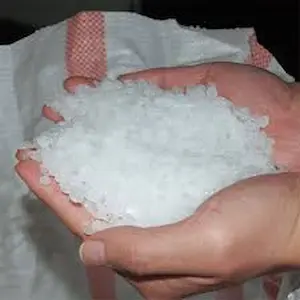
7 Powerful Insights About Microcrystalline Wax Applications
✅ 10. Final Thoughts: Choosing the Right Microcrystalline Wax Partner for Long-Term Industrial Success
Microcrystalline wax is not simply a general-purpose industrial material. Its real value depends on how well its properties match the technical and commercial needs of the buyer. From hot melt adhesives and rubber compounds to protective coatings, candles, packaging, and specialty formulations, the right wax grade can improve flexibility, cohesion, surface quality, moisture resistance, and overall production consistency. These advantages make microcrystalline wax an important material for manufacturers that want to improve both product performance and business efficiency.
However, selecting the right product is only part of the equation. In wholesale and export markets, buyers also need a supplier that can offer consistent quality, dependable bulk availability, clear technical documentation, and secure export packaging. A wax that performs well in the lab but arrives inconsistently, late, or poorly packed creates unnecessary commercial risk. This is why experienced buyers evaluate suppliers not only by price, but by the full strength of their supply chain and quality control process.
A reliable microcrystalline wax manufacturer should be able to support industrial buyers with:
- stable product specifications
- repeatable batch quality
- COA and technical documentation
- flexible packaging options for export
- clear communication throughout the order cycle
- on-time shipment support for bulk orders
These factors are especially important for manufacturers and distributors working in competitive markets where product reliability directly affects customer retention and brand reputation.
At the same time, the right supplier relationship creates strategic value over the long term. Instead of treating wax as a simple commodity purchase, successful buyers approach sourcing as a partnership. A dependable supplier can help reduce technical uncertainty, improve procurement planning, support product development, and strengthen confidence in both domestic and international markets. This kind of relationship becomes even more valuable when a buyer needs regular shipments, customized packaging, or stable quality across multiple purchase cycles.
Key Takeaways for Wholesale Buyers
| Priority Area | What to Look For |
|---|---|
| Product performance | Suitable grade for the target application |
| Quality consistency | Reliable batch-to-batch stability |
| Technical support | COA, specifications, and product clarity |
| Supply capacity | Ability to handle regular bulk demand |
| Export readiness | Strong packaging and shipment coordination |
| Long-term value | Supplier reliability beyond initial price |
For companies involved in production, import, distribution, or private labeling, the right sourcing decision can improve much more than procurement. It can support smoother operations, better finished-product performance, stronger buyer trust, and more stable long-term growth. In that sense, choosing the right microcrystalline wax supplier is not only a purchasing decision—it is a business decision with lasting impact.
If your company is looking for high-quality microcrystalline wax for bulk supply or export markets, working with an experienced and quality-focused supplier can make a significant difference in both operational results and commercial success.
Paraffin Vaseline Pure Plus Co.
📧 Email: paraffinvaseline.com
🌐 Website: https://paraffinvaseline.com
📞 WhatsApp (Iran): +98-917-998-8207
📞 WhatsApp (END): +44-7388150088
📍 Location: Tehran Province, Iran
👤 Contact: Yaser Badrzadeh