



🔍 What Is Liquid Paraffin (White Oil)? Composition & Grades Explained
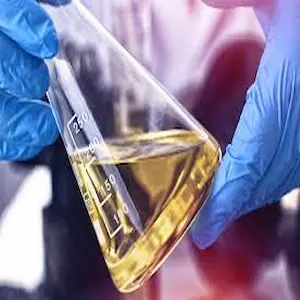
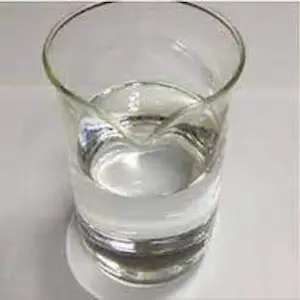
Liquid paraffin—also known as white oil or mineral oil—is a highly refined petroleum derivative prized for its purity, stability, and versatility. It’s colorless, odorless, tasteless, and hydrophobic, making it ideal for both pharmaceutical and industrial applications.
🧪 Composition of Liquid Paraffin
Liquid paraffin consists primarily of saturated aliphatic and alicyclic hydrocarbons, which are nonpolar and chemically inert. This composition ensures:
- High stability over time
- Low reactivity with other substances
- Safe use in sensitive applications like cosmetics and medicine
The refining process removes impurities such as aromatics, sulfur, and nitrogen compounds, resulting in a product that meets strict international standards like USP, BP, IP, and FDA requirements.
💡 “Top 5 Uses of Liquid Paraffin (White Oil) – Pharma & Industry Grade”
Top 5 Uses of Liquid Paraffin (White Oil) – Pharma & Industry Grade
🧬 Grades of Liquid Paraffin
Liquid paraffin is available in multiple grades, each tailored for specific uses:
| Grade | Applications | Purity Level | Viscosity Range | Compliance |
|---|---|---|---|---|
| Pharma Grade | Laxatives, ointments, creams, baby oils, sunscreens | Ultra-high | 19–21 cSt @ 40°C | USP, BP, FDA |
| Cosmetic Grade | Lotions, lipsticks, mascaras, body oils | Very high | Variable | IP, BP |
| Industrial Grade | Lubricants, plasticizers, textile softeners, food packaging coatings | Moderate | Wide range | Custom specs |
✅ Key Specifications of Pharma Grade White Oil
| Property | Typical Value | Test Method |
|---|---|---|
| Kinematic Viscosity @ 40°C | 19–21 cSt | ASTM D-445 |
| Pour Point | 0 to –6°C | ASTM D-97 |
| Flash Point | 197–215°C | ASTM D-92 |
| Density @ 20°C | 0.827–0.890 g/cm³ | ASTM D-1298 |
| Color (Lovibond) | 0.0R + 0.0Y | IP-17 |
| Odor | Passed (odorless) | BP 2012 |
| Acidity/Alkalinity | Neutral | BP 2012 |
| Polycyclic Aromatics | Not detected | BP 2012 |
These specs ensure the oil is safe for internal medicinal use, topical application, and high-performance industrial processes.
💡 Why Choose High-Grade Liquid Paraffin?
- Safe for sensitive skin & ingestion
- Excellent lubricating and moisturizing properties
- Long shelf life and chemical stability
- Meets global regulatory standards
Whether you’re a manufacturer, formulator, or distributor, selecting the right grade of liquid paraffin is crucial for product performance and compliance.
🛒 Ready to Source Premium Liquid Paraffin?
If you’re looking to buy pharma or industry-grade white oil, ensure your supplier offers:
- Full compliance documentation (USP/BP/IP)
- Batch traceability
- Flexible packaging (ISO tanks, drums, flexi tanks)
- Competitive pricing and global shipping
💊 Pharmaceutical Applications of Liquid Paraffin: From Laxatives to Skin Care
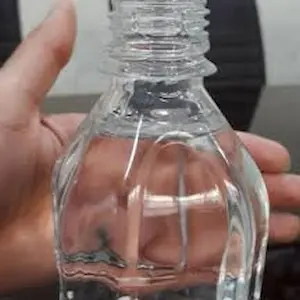
Liquid paraffin—also known as white oil or mineral oil—is a pharmaceutical-grade substance widely used in medical treatments, dermatology, and personal care. Its inert nature, high purity, and smooth texture make it a trusted ingredient in both oral and topical formulations.
🧪 Why Liquid Paraffin Is Ideal for Pharmaceutical Use
- Non-reactive & chemically stable
- Odorless, tasteless, and colorless
- Meets USP, BP, and FDA standards
- Safe for internal and external applications
Its ability to act as a lubricant, moisturizer, and carrier for active ingredients makes it indispensable in modern medicine.
Top 5 Uses of Liquid Paraffin (White Oil) – Pharma & Industry Grade
🚽 Internal Use: Liquid Paraffin as a Laxative
Liquid paraffin is a lubricant laxative that eases bowel movements by coating the stool and intestinal walls with a thin oily film. This prevents water absorption from the stool, keeping it soft and easy to pass.
Key Benefits:
- Effective for chronic constipation
- Safe for post-surgical patients or those with hemorrhoids
- Available in oral and rectal forms
Form Dosage Range Target Group Onset Time Oral Syrup 15–30 mL/day Adults & elderly 6–8 hours Pediatric Syrup 5–15 mL/day Children (4+ years) 6–12 hours Enema 60–120 mL Severe constipation cases 15–30 minutes Note: Always consult a physician before use, especially for long-term treatment.
Top 5 Uses of Liquid Paraffin (White Oil) – Pharma & Industry Grade
🧴 External Use: Skin Care & Dermatology
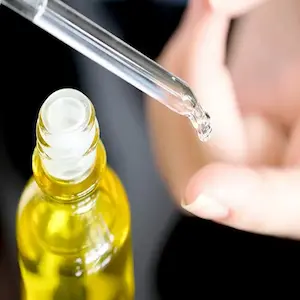
Liquid paraffin is a powerful emollient used to treat dry, irritated, or inflamed skin. It forms a protective barrier that locks in moisture and soothes the skin.
Common Applications:
- Eczema & Psoriasis relief
- Moisturizing creams & ointments
- Bath oils for hydration
- Baby care products
Product Type Function Skin Type Formulation Role Moisturizing Creams Prevents moisture loss Dry/Sensitive Base & occlusive agent Medicated Ointments Delivers active ingredients Inflamed/irritated Carrier & stabilizer Baby Oils Gentle hydration Infant skin Non-irritating moisturizer Bath Additives Full-body hydration All skin types Soothing & protective layer ✅ Why Choose High-Quality Pharma Grade Liquid Paraffin?
- Certified purity for medical safety
- Versatile use across multiple formulations
- Long shelf life and chemical stability
- Trusted by dermatologists and pharmacists worldwide
🛒 Looking to Buy Pharmaceutical Grade Liquid Paraffin?
When sourcing, ensure your supplier offers:
- Full compliance with USP/BP/IP standards
- Batch traceability and COA documentation
- Flexible packaging: drums, IBCs, or bulk tanks
- Competitive pricing and global delivery options
🏭 Industrial Uses of White Oil: Lubrication, Plastics & Beyond
White oil, also known as white mineral oil or liquid paraffin, is a highly refined, odorless, and colorless petroleum derivative. While it’s widely known for its pharmaceutical and cosmetic applications, its industrial-grade variants play a critical role in manufacturing, processing, and performance enhancement across multiple sectors.
⚙️ Why White Oil Is Essential in Industrial Applications
White oil is favored in industrial settings due to its:
- Chemical stability and non-reactivity
- Excellent lubricating properties
- High purity, ensuring minimal contamination
- Compatibility with polymers, elastomers, and machinery
It’s used not just as a lubricant, but also as a plasticizer, extender, carrier, and processing aid in various industries.
Top 5 Uses of Liquid Paraffin (White Oil) – Pharma & Industry Grade
UltraFusion 99X Premium Paraffin Wax – High-Performance Bulk Candle & Spa Solution
🧪 Key Industrial Applications of White Oil
Industry Application Function of White Oil Plastics & Polymers PVC, polystyrene, thermoplastic rubber, catalyst carriers Internal/external lubricant, plasticizer, flow enhancer Rubber Manufacturing Tires, hoses, belts, soles Extender oil, filler, elasticity booster Textile Industry Yarn spinning, weaving, synthetic fiber processing Anti-static agent, coning oil, machine lubricant Adhesives & Sealants Hot-melt glues, sealants, coatings Viscosity control, pigment dispersion, tack enhancer Food Packaging Plastic utensils, films, containers Mold release agent, surface quality improver Chemical Blending Industrial formulations, emulsions Carrier oil, stabilizer Cleaning Products Polishes, degreasers, surface protectants Base oil, spreadability enhancer 🔧 Lubrication in Machinery & Processing Equipment
White oil is widely used as a lubricant in:
- Food-grade machinery (due to its non-toxic nature)
- Plastic extrusion and calendaring equipment
- Textile spinning machines
- Rubber molding and vulcanization systems
Its non-volatile and oxidation-resistant properties ensure long-lasting performance without residue buildup or chemical degradation.
Top 5 Uses of Liquid Paraffin (White Oil) – Pharma & Industry Grade
📊 Technical Specifications of Industrial-Grade White Oil
Property Typical Range Standard Viscosity @ 40°C 70 – 500 SUS ASTM D-445 Flash Point 180 – 220°C ASTM D-92 Pour Point –6 to –12°C ASTM D-97 Density @ 20°C 0.830 – 0.870 g/cm³ ASTM D-1298 Color Water-white Visual Sulfur & Aromatics Not detected GC Analysis ✅ Why Choose High-Quality Industrial White Oil?
- Consistent performance across high-temperature and high-pressure environments
- Safe for indirect food contact (when food-grade certified)
- Improves product quality in plastics, rubber, and adhesives
- Reduces wear and tear on machinery and tooling
🛒 Ready to Source Industrial-Grade White Oil?
When selecting a supplier, ensure they offer:
- Full documentation: COA, MSDS, and compliance certificates
- Custom viscosity grades for your specific application
- Packaging options: drums, IBCs, flexi tanks
- Global shipping and competitive pricing
🧴 Liquid Paraffin in Cosmetics: Why It’s a Staple in Skincare Formulations
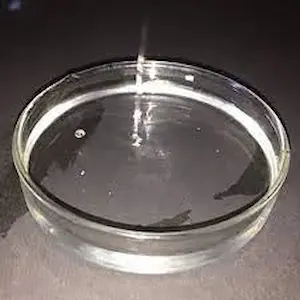
Liquid paraffin—also known as white mineral oil or Paraffinum Liquidum—is a highly refined, colorless, and odorless oil derived from petroleum. Despite its industrial origin, cosmetic-grade liquid paraffin is non-comedogenic, hypoallergenic, and dermatologically safe, making it a trusted ingredient in countless skincare products.
🌟 Why Liquid Paraffin Is a Skincare Essential
Liquid paraffin acts as an occlusive emollient, meaning it forms a protective barrier on the skin that:
- Prevents moisture loss
- Enhances skin hydration
- Shields against environmental stressors like pollution and harsh weather
- Softens and smooths rough or irritated skin
Its gentle nature makes it suitable for sensitive, dry, and eczema-prone skin types.
Top 5 Uses of Liquid Paraffin (White Oil) – Pharma & Industry Grade
💄 Common Cosmetic Applications of Liquid Paraffin
Product Type Function of Liquid Paraffin Skin Benefit Moisturizing Creams Locks in moisture, prevents transepidermal water loss Deep hydration Lip Balms & Lipsticks Smooth texture, protects lips from drying Softens and nourishes Makeup Removers Dissolves waterproof makeup without irritation Gentle cleansing Baby Oils Non-irritating, protective layer Safe for infant skin Bath Oils Enhances skin softness post-shower Silky finish Eczema Ointments Soothes inflammation, reduces itching Therapeutic relief 🧪 Technical Profile of Cosmetic-Grade Liquid Paraffin
Property Typical Value Standard/Test Method Purity Level >99.9% USP/BP/IP Comedogenic Rating 1–2 (Low risk) Dermatology Review Viscosity @ 40°C 19–21 cSt ASTM D-445 Flash Point 180–210°C ASTM D-92 Color Water-white Visual Odor Odorless Sensory Test Skin Compatibility Hypoallergenic, non-irritant Dermatologist Approved ⚠️ Is It Safe for All Skin Types?
While liquid paraffin is generally safe and effective, oily or acne-prone skin may experience clogged pores if used excessively. It’s best suited for:
- Dry and sensitive skin
- Aging skin needing moisture retention
- Post-treatment recovery (e.g., after laser or chemical peels)
Always look for cosmetic-grade or pharmaceutical-grade paraffin to ensure safety and purity.
🧪 Is Liquid Paraffin Safe? Regulatory Standards & Toxicology Insights
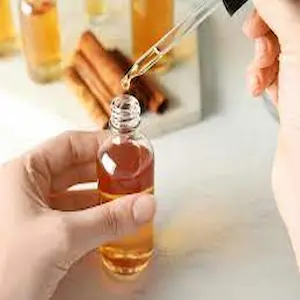
Liquid paraffin—also known as white mineral oil—is widely used in pharmaceuticals, cosmetics, and industrial applications. But is it truly safe? The answer lies in its purity, regulatory compliance, and toxicological profile, which together determine its suitability for human use.
✅ What Makes Liquid Paraffin Safe?
Liquid paraffin is considered safe when:
- It is highly refined to remove impurities
- It complies with international pharmacopeial standards (USP, BP, IP)
- It is used within recommended dosage and exposure limits
- It undergoes rigorous toxicological testing to ensure minimal risk
Its inert nature means it does not react with other substances, making it ideal for sensitive applications like skin care and oral medications.
Top 5 Uses of Liquid Paraffin (White Oil) – Pharma & Industry Grade
🧬 Regulatory Standards for Liquid Paraffin
🌍 Standard 📋 Scope of Regulation ✅ Compliance Status USP (United States) Purity, viscosity, color, odor, and toxicological safety Meets pharmaceutical-grade criteria BP (British) Composition, contaminants, and dermal safety Approved for topical and oral use IP (Indian) Physical and chemical specifications for medical applications Certified for pharma use EU REACH Environmental and human health impact Not classified as hazardous FDA (USA) Use in food, drugs, and cosmetics GRAS (Generally Recognized As Safe) These certifications ensure that the product is non-toxic, non-carcinogenic, and safe for long-term use when formulated correctly.
⚠️ Toxicology Insights: What the Data Says
According to multiple safety data sheets:
- Acute toxicity: Extremely low; not harmful by ingestion or skin contact
- Skin irritation: Mild or none; safe for sensitive skin
- Eye contact: May cause temporary irritation; rinse thoroughly
- Chronic exposure: Prolonged contact may cause dermatitis in rare cases
- Environmental impact: Low toxicity; biodegradable and non-bioaccumulative
🧪 Toxicological Parameter 🔍 Assessment 🛡️ Safety Level Oral LD50 (rats) > 5000 mg/kg Non-toxic Dermal irritation (human patch) Negligible to mild Safe for topical use Eye irritation Mild, reversible Use with caution Mutagenicity / Carcinogenicity Not detected No cancer risk Bioaccumulation potential Very low Environmentally safe 🧴 Safe Usage Recommendations
To ensure safety:
- Use pharmaceutical or cosmetic-grade only
- Avoid industrial-grade for personal care or ingestion
- Store in cool, dry conditions away from heat and oxidizers
- Follow label instructions and consult professionals for medical use
🛒 Looking to Buy Safe, Certified Liquid Paraffin?
When sourcing, choose suppliers who offer:
- Full documentation: COA, MSDS, regulatory certificates
- Grades compliant with USP/BP/IP/FDA standards
- Packaging options: drums, IBCs, flexi tanks
- Competitive pricing and global delivery
🌱 White Oil vs Mineral Oil: What’s the Difference & Which One to Use?
White oil and mineral oil are often confused due to their shared origin—both are petroleum derivatives. However, they differ significantly in purity, refinement, and intended applications. Understanding these differences is essential for choosing the right oil for your product, whether it’s for cosmetics, pharmaceuticals, or industrial use.
🧪 What Is Mineral Oil?
Mineral oil is a general term for a group of colorless, odorless oils derived from petroleum. It is used in:
- Industrial lubrication
- Metalworking fluids
- Rubber and plastic manufacturing
- Some cosmetic and pharmaceutical products (when refined)
However, not all mineral oils are created equal. Their quality and safety depend on the degree of refinement. Lower-grade mineral oils may contain impurities like sulfur, nitrogen compounds, and aromatic hydrocarbons.
💎 What Is White Oil?
White oil is a highly refined form of mineral oil, purified through multiple stages to remove contaminants. It is:
- Colorless, odorless, and tasteless
- Non-toxic and non-comedogenic
- Safe for human contact and ingestion (when food/pharma grade)
White oil is used in:
- Pharmaceuticals (ointments, laxatives)
- Cosmetics (lotions, lip balms, makeup removers)
- Food processing (lubricants, release agents)
- Baby care products
- Textile and plastic industries
Top 5 Industrial Oils for 2025 – Volk Oil’s Premium Lubricants
Top 5 Uses of Liquid Paraffin (White Oil) – Pharma & Industry Grade
📊 Comparison Table: White Oil vs Mineral Oil
🧴 Feature ⚪ White Oil ⚙️ Mineral Oil Purity Highly refined, >99.9% pure Varies by grade; may contain impurities Color & Appearance Water-clear, transparent Slightly yellowish or cloudy Odor & Taste Odorless and tasteless May have faint petroleum scent Safety for Skin Non-irritating, hypoallergenic Depends on refinement level Food/Pharma Use Approved for direct contact (USP/BP/IP grade) Not suitable unless highly refined Industrial Use Used in sensitive applications Common in general lubrication Price Higher due to purification Lower, especially in bulk industrial grades 🧴 Which One Should You Use?
- ✅ Choose White Oil if your application involves human contact, food processing, or pharmaceuticals. Its high purity ensures safety and compliance with health standards.
- ⚙️ Use Mineral Oil for industrial lubrication, machinery, or non-sensitive manufacturing where ultra-high purity is not required.
If you’re formulating skincare, baby care, or food-grade products, white oil is the clear winner. For cost-effective industrial use, mineral oil may suffice.
📦 Packaging & Storage Guidelines for Liquid Paraffin in Pharma & Industry
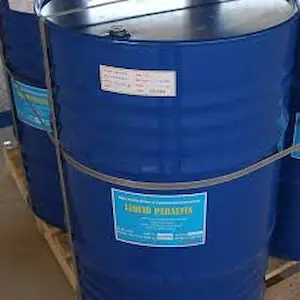
Liquid paraffin—also known as white mineral oil—is widely used across pharmaceutical, cosmetic, and industrial sectors. Its purity, stability, and versatility make it a valuable ingredient, but its effectiveness and safety depend heavily on proper packaging and storage. Whether you’re sourcing for medical formulations or industrial lubricants, following best practices ensures product integrity and regulatory compliance.
🏭 Why Packaging & Storage Matter
Improper handling of liquid paraffin can lead to:
- Contamination from dust, moisture, or reactive materials
- Degradation due to exposure to heat, light, or oxygen
- Regulatory non-compliance in pharma-grade applications
- Increased risk of leakage or spillage during transport
To maintain its chemical stability, clarity, and performance, packaging and storage must meet industry standards.
📦 Recommended Packaging Formats
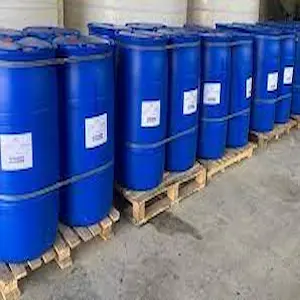
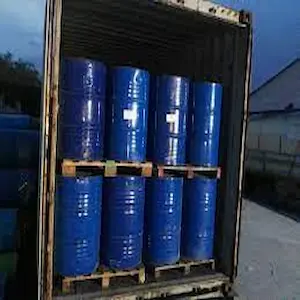
🧴 Packaging Type 🏭 Use Case 📋 Features Iron Drums (180–200 L) Industrial-grade bulk supply Durable, corrosion-resistant, ideal for transport PE Drums (20–50 L) Pharma & cosmetic-grade distribution Food-safe, sealed, lightweight IBC Tanks (1000 L) Large-scale manufacturing High-volume, stackable, protected with metal cage Flexi Tanks (Bulk Shipping) International logistics Cost-efficient, suitable for containerized freight HDPE Bottles (1–5 L) Retail or lab-scale use Easy to handle, tamper-proof, UV-protected All packaging must be new, clean, and compliant with GMP and pharmacopeial standards (USP/BP/IP) for pharma-grade oils.
Top 5 Uses of Liquid Paraffin (White Oil) – Pharma & Industry Grade
🧊 Storage Guidelines for Liquid Paraffin
🌡️ Condition ✅ Recommended Practice Temperature Store between 15°C to 30°C; avoid freezing or overheating Humidity Keep in dry areas; avoid moisture exposure Light Exposure Store in opaque or UV-resistant containers Ventilation Ensure good airflow; avoid confined, humid spaces Proximity to Chemicals Keep away from oxidizers, acids, and reactive substances Shelf Life Typically 2–3 years if stored properly Pharma-grade liquid paraffin must be stored in dedicated, labeled areas to prevent cross-contamination and ensure traceability.
🛡️ Compliance & Safety Tips
- Use GMP-compliant packaging for pharmaceutical applications
- Ensure batch traceability with proper labeling and documentation
- Maintain COA and MSDS records for each shipment
- Train staff on handling procedures and emergency protocols
- Conduct periodic quality checks on stored inventory
Global Market Trends: Demand for Liquid Para content section for your heading:
🌍 Global Market Trends: Demand for Liquid Paraffin in 2025 andffin in 2025 and Beyond
Liquid paraffin—also known as Beyond
Liquid paraffin—also known as white mineral oil—is evolving from a basic petroleum derivative into white mineral oil—is evolving from a basic petroleum derivative into a strategic ingredient a strategic ingredient across pharmaceuticals across pharmaceuticals, cosmetics, food, cosmetics, food processing, and industrial applications processing, and industrial applications. As global industries. As global industries shift toward ** shift toward purity, compliancepurity, compliance, and multi-function, and multi-functionality, the demand for liquid paraality**, the demand for liquid paraffin is projected to rise steadily through 2025 andffin is projected to rise steadily through 2025 and beyond.
📈 Market Overview & Forecast
According beyond.
📈 Market Overview & Forecast
According to recent market studies:
- The to recent market studies:
- The global liquid para global liquid paraffin market was valuedffin market was valued at **USD 2.76 billion at USD 2.76 billion in 2024
- It in 2024**
- It is projected to reach **USD 2.96 is projected to reach USD 2.96 billion in 2025 billion in 2025, and USD 5.42 billion by 203, and USD 5.42 billion by 2033
- This reflects3**
- This reflects a CAGR of 7.9 a CAGR of 7.9% between 2025% between 2025–2033–2033
The growth is driven
The growth is driven by:
- 📦 33% increase in pharmaceutical applications by:
- 📦 33% increase in pharmaceutical applications
- 💄 28% rise in- 💄 28% rise in cosmetic formulations cosmetic formulations
- 🏥 24% expansion
- 🏥 24% expansion in wound healing in wound healing and dermatological care
- ⚙️ 21% and dermatological care
- ⚙️ 21% growth in industrial growth in industrial lubricants and packaging lubricants and packaging machinery machinery
📊 Global Liquid Paraffin Market Forecast (2024–2033)
📅 Year 💰 Market Value (USD Billion) 📈 Growth Rate (YoY) 2024 2.76 — 2025 (Projected) 2.96 +7.2% 2028 (Projected) 3.85 +9.1% 2033 (Projected) 5.42 +7.9% CAGR (2025–2033) Insight: The market is expected to nearly double in less than a decade, driven by pharmaceutical and cosmetic demand.
🌐 Regional Market Share & Growth Drivers (2025)
🌍 Region 📊 Estimated Share 🚀 Key Growth Drivers Asia-Pacific 37% Pharma production, cosmetics, textile lubricants North America 26% Dermatology, food-grade lubricants, baby care Europe 23% Regulatory compliance, clean-label cosmetics Middle East & Africa 14% Industrial lubricants, veterinary and agricultural uses Note: China and India lead APAC growth, with increasing demand for light-grade paraffin in medical and personal care.
Top 5 Uses of Liquid Paraffin (White Oil) – Pharma & Industry Grade
🧴 Application-Based Demand Trends (2025–2033)
🧪 Sector 📈 Projected Growth Rate 🔍 Usage Highlights Pharmaceuticals +33% Ointments, emulsions, laxatives, dermatological creams Cosmetics +28% Moisturizers, lip balms, cleansing oils Wound Care & Dressings +24% Paraffin gauze, skin barrier products Industrial Lubricants +21% Machinery, conveyor belts, packaging systems Veterinary & Pet Care +27% Animal-safe topical formulations 🧼 How Liquid Paraffin Enhances Product Performance in Detergents & Polymers
Liquid paraffin—also known as white mineral oil—is a chemically stable, non-reactive, and highly refined petroleum derivative. Its unique properties make it a valuable additive in both detergent formulations and polymer manufacturing, where performance, consistency, and cost-efficiency are critical.
🧪 Why Liquid Paraffin Matters in Detergents & Polymers
Liquid paraffin improves product performance by:
- Acting as a lubricant and processing aid
- Enhancing texture, spreadability, and flow
- Providing moisture resistance and anti-static effects
- Reducing foam formation and surface defects
- Improving melt flow rate in polymers for better molding and extrusion
Its inert nature ensures compatibility with a wide range of chemical systems, making it ideal for both synthetic detergents and thermoplastic polymers.
🧼 Benefits in Detergents
🧴 Function 🔍 Performance Benefit Lubrication Reduces friction between particles, improving spreadability Anti-static agent Minimizes static cling in fabric softeners Moisture barrier Enhances shelf life of powder detergents Defoaming agent Controls foam during mixing and application Stabilizer Maintains formula integrity under heat and light ✅ Used in laundry detergents, dishwashing liquids, and industrial cleaning agents to improve consistency and reduce residue.
🧪 Benefits in Polymer Manufacturing
⚙️ Application 🔍 Enhancement Provided Melt flow control Improves extrusion and molding of thermoplastics Release agent Prevents sticking to molds and surfaces Plasticizer Adds flexibility and softness to finished polymers Dust suppression Reduces airborne particles during handling Surface finish enhancer Provides smooth, glossy appearance 🧩 Commonly used in polyolefins, polystyrene, thermoplastic elastomers, and masterbatch formulations.
🌿 Compatibility & Safety
- Non-toxic, odorless, and chemically inert
- Compatible with surfactants, resins, and polymer blends
- Available in light and heavy grades depending on viscosity needs
- Registered as food-safe for indirect contact in packaging applications
🛒 Looking to Source Liquid Paraffin for Detergents or Polymers?
When selecting a supplier, ensure:
- ✅ Grades tailored for industrial, cosmetic, or food-safe use
- 📋 Full documentation: COA, MSDS, REACH, USP/BP/IP certificates
- 🧴 Packaging options: drums, IBC tanks, flexi bags
- 🚚 Global delivery with temperature-controlled logistics
🔬 Choosing the Right Grade of Liquid Paraffin: Buyer’s Guide for Manufacturers
For manufacturers and international traders in the paraffin and vaseline industry, selecting the correct grade of liquid paraffin is not just a technical decision—it’s a strategic one. Whether you’re producing pharmaceuticals, cosmetics, food packaging, or industrial lubricants, the grade you choose directly impacts product quality, regulatory compliance, and customer satisfaction.
This guide helps you navigate the key specifications, applications, and sourcing criteria to ensure you select the optimal grade for your business.
🧪 What Is a “Grade” in Liquid Paraffin?
Liquid paraffin is available in multiple grades, each defined by:
- Purity level
- Viscosity (light or heavy)
- Compliance with pharmacopeial standards (USP, BP, IP)
- Intended application (topical, oral, industrial)
Choosing the wrong grade can lead to performance issues, regulatory violations, or customer complaints. That’s why understanding the differences is essential.
📊 Comparison Table: Grades of Liquid Paraffin
🧴 Grade Type 🧪 Purity Level 🏭 Typical Applications 📋 Standards Pharmaceutical Grade ≥ 99.9% Oral laxatives, ointments, eye drops USP, BP, IP Cosmetic Grade ≥ 99.5% Creams, lotions, baby oil, makeup removers ISO, IFRA, dermatological Food Grade ≥ 99.5% Food packaging, mold release, indirect contact FDA, EU 1935/2004 Industrial Grade ≥ 98% Lubricants, plasticizers, textile oils Custom specs, ASTM ✅ Pharmaceutical and cosmetic grades require high purity and documentation. Industrial grade is more flexible but must meet performance specs.
Top 5 Uses of Liquid Paraffin (White Oil) – Pharma & Industry Grade
🔥 “Top 5 Uses of Paraffin Bleaching Mud in Industrial Markets”
🏭 How to Choose the Right Grade for Your Factory
- Define Your Application Are you producing topical creams, tablets, or lubricants? Each use case demands a specific grade.
- Check Regulatory Requirements For pharma and food, ensure the supplier provides COA, MSDS, and USP/BP/IP certificates.
- Select Viscosity
- Light grade: Better for skin absorption and oral use
- Heavy grade: Preferred for lubricants and industrial coatings
- Evaluate Supplier Capabilities Look for suppliers who offer:
- Cleanroom-grade filling
- Batch traceability
- Flexible packaging: drums, IBC tanks, flexi bags
- Global delivery with temperature-controlled logistics
🌍 Explore Cooperation Opportunities
If you’re a manufacturer or trader looking to expand your sourcing or distribution network, we invite you to explore collaboration with:
Paraffin Vaseline Pure Plus Co 📍 Tehran Province, Iran 📞 +98 917 998 8207 | +91 8921628656 📧 paraffinvaseline.com 🌐 👤 Contact: Mr. Yaser Badrzadeh
💼 We have a special offer for you. Let’s discuss how we can support your production goals with premium-grade liquid paraffin tailored to your needs.
🛒 Final Checklist Before You Buy
✅ Confirm grade and purity level ✅ Request full documentation (COA, MSDS, compliance certificates) ✅ Choose packaging format based on volume and logistics ✅ Verify supplier’s export experience and delivery timelines ✅ Ask for samples or pilot batch if needed
Top 5 uses of liquid paraffin, Liquid paraffin bulk applications, Industrial liquid paraffin uses, Liquid paraffin for cosmetics, Liquid paraffin for pharmaceuticals, Liquid paraffin for personal care, Buy liquid paraffin in bulk, Wholesale liquid paraffin from Iran, Bulk selling liquid paraffin from Iran, Bulk buying liquid paraffin from Iran, Manufacturer of liquid paraffin in Tehran, Manufacturer of liquid paraffin in London, Manufacturer of liquid paraffin in New York, Manufacturer of liquid paraffin in Dubai, Manufacturer of liquid paraffin in Mumbai, Manufacturer of liquid paraffin in Istanbul, Manufacturer of liquid paraffin in Los Angeles, Manufacturer of liquid paraffin in Paris, Manufacturer of liquid paraffin in Jakarta, Manufacturer of liquid paraffin in Cairo