




| Row Number | SEO Optimized Heading |
|---|---|
| 1 | Evaluating the Core Competencies of a Professional Petroleum Jelly Manufacturer |
| 2 | Quality Assurance: Identifying Premium Cosmetic and Industrial Grade Standards |
| 3 | Scalability and Production Capacity for Consistent Bulk Petroleum Jelly Supply |
| 4 | Navigating Export Regulations and Global Market Logistics for B2B Importers |
| 5 | Analyzing Wholesale Pricing Structures for Maximum ROI in the Wax Industry |
| 6 | Assessing Technical Support and Custom Formulation Capabilities of the Supplier |
| 7 | Verifying Compliance and Essential Certification Standards for International Trade |
| 8 | Investigating the Manufacturer’s Industry Reputation and Supply Chain Reliability |
| 9 | Comparing Sustainable Sourcing and Ethical Production in Petroleum Jelly Manufacturing |
| 10 | Selecting a Long-Term Strategic Partner for Your Global Distribution Network |
🏭 ## 1. Evaluating the Core Competencies of a Professional Petroleum Jelly ManufactureWhen sourcing raw materials for your manufacturing facility or distribution network, identifying a truly professional petroleum jelly manufacturer is the most critical step in ensuring long-term success. The global market for chemical derivatives is vast, but not every producer possesses the technical sophistication required to deliver consistent quality across varying orders. A partner’s core competency lies in their ability to bridge the gap between raw feedstock processing and the precise requirements of downstream industries.
To evaluate a potential partner, you must first assess their vertical integration. A premier petroleum jelly manufacturer should demonstrate mastery over the distillation and purification processes. This mastery is not merely about production volume; it is about the control of chemical properties—such as penetration, melting point, and color stability—which are vital for clients in the cosmetic, pharmaceutical, and industrial sectors. If you are a procurement manager in major hubs like Dubai or Istanbul, you know that consistency is the bedrock of your supply chain. A professional manufacturer will provide documented batch-to-batch uniformity, ensuring that the white petrolatum supplier you choose can replicate the same high-quality output regardless of seasonal variations in crude oil feedstocks.
Furthermore, a capable manufacturer acts as an extension of your own R&D team. They should possess deep knowledge of how industrial paraffin wax and microcrystalline components interact within various formulations. Whether you are dealing with high-demand markets in Mumbai or emerging industrial sectors in Jakarta, the ability to provide expert technical guidance on product suitability is a hallmark of a top-tier supplier. They do not just sell a commodity; they provide a solution that aligns with your specific production goals.
When reviewing potential suppliers, focus on the following key performance indicators:
| Competency Area | Essential Attribute for Professional Manufacturers |
|---|---|
| Purification Technology | Advanced de-oiling and hydro-treating processes. |
| Batch Consistency | Tight tolerance controls on viscosity and drop point. |
| Technical Expertise | Deep understanding of cosmetic and industrial formulations. |
| Supply Chain Agility | Proven track record of consistent, on-time bulk shipments. |
| Quality Control (QC) | In-house laboratory testing for every outgoing shipment. |
In addition to technical prowess, look for transparency in their operational philosophy. A reputable bulk paraffin wax supplier will openly discuss their feedstock sources and purification standards. By prioritizing manufacturers that invest in state-of-the-art infrastructure, you secure your position as a reliable bulk wax distributor in your local market. Whether you are catering to the beauty industry in São Paulo or specialized manufacturing plants in Ho Chi Minh City, partnering with a competent manufacturer ensures that your reputation remains untarnished by inferior quality, allowing you to scale your operations with confidence and precision.

3. 10 Expert Tips to Find the Best Petroleum Jelly Manufacturer
Table of Contents
TogglePremium Bulk Vaseline – Medical, Cosmetic & Industrial Grade1
🧪 ## 2. Quality Assurance: Identifying Premium Cosmetic and Industrial Grade Standards
In the global chemical manufacturing landscape, the dividing line between a generic commodity and a superior, high-performance material is defined by the depth of a supplier’s quality assurance (QA) protocols. As a specialized petroleum jelly manufacturer, we emphasize that for procurement managers and B2B buyers, sourcing is not merely about availability—it is about the safety, stability, and regulatory compliance of the raw material. Whether you are sourcing for the pharmaceutical sector or high-demand industrial applications, identifying a partner that adheres to stringent international standards is a non-negotiable step in your procurement process.
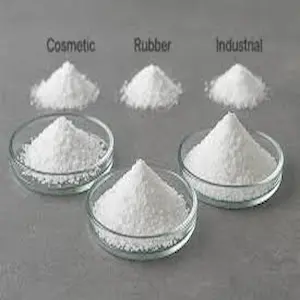
The fundamental challenge for any reliable white petrolatum supplier is the mastery of refining technology. Cosmetic and pharmaceutical grades require exhaustive hydro-treating, decoloring, and deodorizing to satisfy global benchmarks such as USP (United States Pharmacopeia) or BP (British Pharmacopeia). This level of refinement ensures the product is non-comedogenic, chemically inert, and devoid of harmful impurities. Conversely, industrial-grade products—often utilized by a bulk wax distributor to support sectors like automotive, rubber, or metal working—prioritize structural consistency, tackiness, and oxidation resistance. A professional manufacturer must maintain rigorous segregation between these production lines to ensure that material destined for sensitive skincare manufacturing in Dubai or Istanbul remains untainted by industrial-grade processing residues.
When vetting potential suppliers, look beyond the basic datasheet. Request evidence of their internal laboratory capabilities. Are they performing routine testing for Polycyclic Aromatic Hydrocarbons (PAHs)? Do they utilize advanced chromatography to ensure batch-to-batch uniformity? A top-tier paraffin wax manufacturer treats these tests as standard procedure, not optional add-ons. By confirming that your supplier operates under these high-level quality metrics, you effectively de-risk your own supply chain, preventing costly production halts in hubs like Mumbai or Cairo.
The table below outlines the essential quality markers that distinguish premium, high-grade outputs:
| Quality Parameter | Cosmetic/Pharma Grade (USP/BP) | Industrial/Technical Grade |
|---|---|---|
| Purity Standards | Pharmacopeia Compliant (High) | Technical Commercial Standard |
| Color Specification | Pure White / Translucent | Off-White / Pale Yellow to Amber |
| Odor & Taste | Completely Odorless / Tasteless | Minimal or Characteristic |
| Refining Process | Advanced Hydro-Treatment | Standard De-oiling / Bleaching |
| Core Applications | Skincare, Cosmetics, Medical Ointments | Lubricants, Corrosion Protection, Rubber |
Ultimately, a supplier’s commitment to quality assurance is a reflection of their reliability as an industrial wax exporter. A factory that invests in modern QA infrastructure is essentially safeguarding your market reputation. Whether you are supplying the bustling markets of Johannesburg or the manufacturing corridors of Mexico City, partnering with a producer that prioritizes rigorous quality standards ensures your end-products consistently meet local regulatory requirements. By selecting a manufacturer that treats quality as their most valuable product, you ensure seamless operation and sustained growth in your target territory.
🏭 ## 3. Scalability and Production Capacity for Consistent Bulk Petroleum Jelly Supply
For international buyers and distributors, one of the most critical factors when selecting a petroleum jelly manufacturer is the ability to deliver consistent volume without compromising quality. In global B2B trade, scalability is not simply about having a large factory—it is about maintaining stable production output, reliable inventory management, and efficient export logistics. Whether your company operates in large consumer markets like São Paulo or expanding industrial centers such as Ho Chi Minh City, a dependable supply chain begins with a manufacturer capable of meeting fluctuating demand.
A professional white petrolatum supplier should demonstrate robust production infrastructure supported by modern refining equipment, automated filling systems, and multiple storage facilities. This ensures that sudden increases in demand—common in fast-moving sectors like cosmetics or pharmaceuticals—can be handled without delays. Procurement managers in cities like Dubai or Mumbai frequently face seasonal spikes in product demand, particularly in skincare manufacturing. In such situations, working with a supplier that lacks scalable production capabilities can quickly disrupt manufacturing schedules and distribution commitments.
Another important consideration is feedstock availability. Experienced industrial wax exporters secure stable crude derivatives or slack wax inputs through long-term procurement contracts. This strategic sourcing protects production lines from volatility in raw material markets. Without this stability, even the most technologically advanced plant may struggle to fulfill bulk orders consistently.
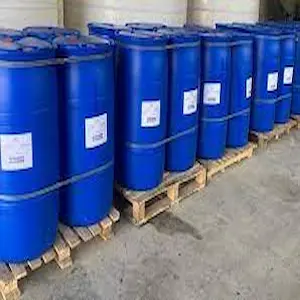
Moreover, the ability to handle diverse packaging formats is a key indicator of a supplier’s operational maturity. A reliable bulk wax distributor typically requires petroleum jelly in different packaging configurations—from industrial drums to palletized cartons—depending on the requirements of downstream manufacturers. Suppliers who offer flexible packaging options demonstrate that their logistics infrastructure is designed with global trade in mind.
The following table outlines typical production capacity benchmarks that serious B2B buyers should evaluate when comparing manufacturers:
| Production Factor | Indicators of a Scalable Manufacturer |
|---|---|
| Annual Production Capacity | Large-scale facilities producing thousands of metric tons annually |
| Storage Infrastructure | Multiple bulk storage tanks and climate-controlled warehouses |
| Packaging Flexibility | Options such as 165 kg drums, 25 kg cartons, or customized bulk packaging |
| Raw Material Security | Long-term feedstock supply agreements with refineries |
| Export Logistics | Dedicated teams managing container loading and global shipping |
Scalability also affects long-term pricing stability. When a paraffin wax supplier operates high-volume production lines, they benefit from economies of scale, which often translates into more competitive wholesale pricing for buyers. For distributors serving regional markets like Karachi, Jakarta, or Cairo, this advantage can significantly improve margins while maintaining competitive retail pricing.
Ultimately, the most reliable petroleum jelly manufacturer is one that treats supply stability as a strategic priority. By investing in large-scale refining capacity, secure raw material sourcing, and efficient export logistics, such manufacturers provide B2B partners with the confidence to expand their operations without worrying about supply interruptions. In the global wax industry, where long-term contracts and large-volume shipments are the norm, scalability is not just a technical metric—it is the foundation of sustainable international trade.
Premium Bulk Vaseline – Medical, Cosmetic & Industrial Grade1
🚢 ## 4. Navigating Export Regulations and Global Market Logistics for B2B Importers
International trade in chemical derivatives, including petroleum jelly and various wax products, requires more than just high-quality production; it demands an intricate understanding of complex export regulations and global logistics. As a professional petroleum jelly manufacturer operating in the international market, we recognize that the success of our partners—importers, distributors, and large-scale buyers—depends on the seamless movement of goods across borders. Navigating the legal, customs, and documentation requirements is essential to ensuring that your bulk paraffin wax shipments arrive on time and without administrative hurdles.
For a B2B importer based in major trading hubs like Dubai, Istanbul, or Mumbai, the primary challenge often lies in the regulatory compliance of chemical goods. Petroleum jelly and related derivatives are subject to specific classification codes (HS Codes), and ensuring accurate classification is the first step to avoiding delays at customs. A seasoned industrial wax exporter will handle these requirements with precision, providing the necessary certificates of origin, safety data sheets (SDS), and analysis reports (COA) required by the importing country’s authorities. Failure to provide standardized, accurate documentation can result in costly demurrage fees, storage penalties, or even the seizure of cargo in ports like Karachi or Johannesburg.
Logistics management is the second pillar of a successful export strategy. The nature of petroleum jelly—which can be temperature-sensitive—requires specialized knowledge in container selection and loading protocols. A professional white petrolatum supplier coordinates with global shipping lines to ensure that transit times are optimized and that products are protected from extreme environmental conditions during long-distance sea freight. Whether you are supplying the cosmetics industry in São Paulo or the industrial sector in Ho Chi Minh City, understanding the nuances of the destination’s port infrastructure and inland transport network is critical for a smooth supply chain.
The following table highlights the critical documentation and logistical elements that an experienced manufacturer should manage for you:
| Logistical Factor | Importance for International Importers |
|---|---|
| HS Code Accuracy | Prevents customs delays and ensures correct tariff classification |
| Certificate of Analysis (COA) | Confirms product meets your specific technical and safety grades |
| Safety Data Sheet (SDS) | Mandatory for the safe transport and handling of chemical goods |
| Certificate of Origin | Essential for trade agreements and import duty exemptions |
| Shipping Documentation | Bill of Lading and commercial invoices optimized for customs clearance |
Beyond documentation, a sophisticated paraffin wax manufacturer provides proactive communication throughout the shipment lifecycle. For a bulk wax distributor, visibility—knowing exactly where the cargo is and when it will arrive—is vital for inventory planning. Reliable manufacturers offer real-time tracking and clear communication regarding any potential port congestion or shipping delays.
By partnering with a manufacturer that possesses deep expertise in global market logistics, you effectively outsource the complexities of international trade. This allows you to focus on your core business of sales and distribution in markets like Mexico City or Cairo. A competent export partner acts as your gatekeeper, ensuring that your petroleum jelly manufacturer credentials translate into a hassle-free, efficient, and profitable import experience, regardless of how complex the regulatory landscape may seem.
💰 ## 5. Analyzing Wholesale Pricing Structures for Maximum ROI in the Wax Industry
In the global B2B trade of chemical commodities, achieving maximum Return on Investment (ROI) requires more than just sourcing high-quality products. As a procurement manager, distributor, or manufacturer, you must deeply understand the wholesale pricing dynamics of a petroleum jelly manufacturer. The market for industrial paraffin wax and other derivatives is inherently linked to global crude oil trends, refinery utilization rates, and shipping costs. Analyzing these structures effectively allows you to secure stable margins, even in volatile market environments such as Mumbai or Jakarta.
A professional white petrolatum supplier does not rely on a “one-size-fits-all” price list. Instead, they develop transparent pricing models that reflect the specific technical grades, volume commitments, and delivery terms. When you source from a top-tier paraffin wax manufacturer, look for a partner who provides a clear breakdown of their costs. This transparency should account for the purity levels required—for instance, high-purity cosmetic grades will naturally carry a premium over standard industrial technical grades due to the extensive refining and decoloring processes involved.
For a bulk wax distributor operating in major hubs like Dubai or São Paulo, leveraging economies of scale is the most direct path to improving ROI. Manufacturers typically offer tiered pricing structures where the price per metric ton decreases as the order volume increases. However, it is vital to balance bulk discounts with your warehouse storage capacity and turnover rate. A strategic supplier will assist you in calculating the “landed cost”—the total price of the product including shipping, insurance, and duties—to ensure your business remains profitable in competitive markets like Cairo or Mexico City.
The following table serves as a guide for understanding the key cost drivers that influence your final procurement price:
| Pricing Factor | Impact on Wholesale Cost | Strategy for Better ROI |
|---|---|---|
| Order Volume | Lower unit price for high-volume orders | Forecast annual needs to secure bulk-tier pricing |
| Product Grade | Premium for USP/BP/EP purity levels | Select the precise grade needed to avoid overpaying |
| Incoterms | Influences logistics risk and responsibility | Negotiate favorable terms like CIF or FOB as needed |
| Market Volatility | Prices fluctuate with raw material indices | Establish long-term contracts to hedge against spikes |
| Packaging Choice | Impact on freight and handling efficiency | Opt for high-capacity drums or bulk bags to lower logistics cost |
Furthermore, consider the value of technical support and consistent supply when evaluating a quote. Sometimes, a slightly higher price from a reliable industrial wax exporter is more cost-effective than the cheapest quote from a supplier that provides inconsistent quality or experiences frequent logistical failures. A partner that offers consistent product availability ensures you never lose revenue due to stockouts in markets like Johannesburg or Ho Chi Minh City.
By engaging with a petroleum jelly manufacturer that understands your need for competitive edge, you can negotiate pricing that aligns with your regional distribution strategy. Analyzing these wholesale structures is the hallmark of a smart procurement executive, enabling you to transform your supply chain into a significant financial asset rather than just a routine operational expense.
10 Expert Tips to Find the Best Petroleum Jelly Manufacturer
🧪 ## 6. Assessing Technical Support and Custom Formulation Capabilities of the Supplier
In the specialized field of petroleum derivatives, a manufacturer’s value extends far beyond the physical product delivered in a drum. As a B2B buyer, your competitive advantage often depends on how effectively you can utilize raw materials like petroleum jelly or microcrystalline wax in your unique manufacturing processes. Therefore, assessing the technical support and custom formulation capabilities of your chosen petroleum jelly manufacturer is an essential step in building a long-term, value-driven partnership.
A truly professional white petrolatum supplier does not just sell a commodity; they act as a technical consultant. Whether you are formulating a high-end cosmetic cream in Istanbul, developing an industrial lubricant in Mumbai, or creating specialized coatings in São Paulo, you need a partner who understands the underlying chemistry. A top-tier manufacturer employs in-house chemists and technical experts who can guide you on the melting points, penetration indices, and viscosity characteristics required to optimize your final formulation. If you are experiencing issues with product consistency or performance, a responsive supplier provides the troubleshooting expertise needed to keep your production lines moving without interruption.
Custom formulation is the ultimate mark of a sophisticated paraffin wax manufacturer. Many industries, such as the pharmaceutical or textile sectors, require specific blends of waxes and jellies that are not available off-the-shelf. The ability to adjust chemical properties—such as the oil content in slack wax or the hardness of a specialized wax blend—allows you to differentiate your products in the market. Suppliers who invest in modern R&D laboratories, capable of creating tailor-made solutions for their clients in Jakarta or Mexico City, are invaluable partners for businesses looking to innovate and capture new market segments.
The table below outlines the types of technical support you should expect from a leading supplier:
| Technical Support Area | Value for Your Business |
|---|---|
| Formulation Assistance | Customizing product specs (melting point, color) for your application |
| Material Troubleshooting | Expert guidance to solve production issues or performance gaps |
| Regulatory Guidance | Assistance in navigating compliance standards (e.g., pharmacopeia grades) |
| Stability Testing | In-house analysis of how products behave under various environmental conditions |
| Product Education | Providing technical data sheets and best-practice usage manuals |
For a bulk wax distributor or a manufacturing firm, the quality of a supplier’s R&D department is a strong indicator of their longevity and commitment to the industry. When evaluating potential partners, ask about their experience with specific industries like candle manufacturing, automotive grease, or skincare. A supplier with a proven track record of solving technical challenges for clients in regions like Cairo, Johannesburg, or Ho Chi Minh City will bring that same level of expertise to your operations.
By prioritizing manufacturers that offer robust technical support, you reduce the risk of R&D failure and accelerate your product development cycle. A petroleum jelly manufacturer that functions as an extension of your own technical team allows you to push boundaries, improve quality, and maintain a competitive edge in your regional market. Always look for a partner that values communication, clarity, and collaborative problem-solving as much as they value the volume of their sales.
📜 ## 7. Verifying Compliance and Essential Certification Standards for International Trade
In the global chemical industry, trust is built upon the foundation of verified compliance. For any B2B buyer, importer, or manufacturer, partnering with a petroleum jelly manufacturer that lacks proper certification is a significant operational and legal risk. Whether you are distributing products in Dubai or importing raw materials for a factory in Karachi, you must ensure that your supplier adheres to the rigorous safety, environmental, and quality standards required for international trade.
A professional white petrolatum supplier must demonstrate that their processes meet global benchmarks. Certifications are not just badges on a website; they are third-party validations of a company’s commitment to quality control and ethical manufacturing. When you source industrial paraffin wax or cosmetic-grade jellies, you need to be certain that the materials are free from harmful contaminants and are produced in facilities that prioritize worker safety and environmental protection. For companies serving the pharmaceutical or skincare sectors in Istanbul or Mumbai, compliance with standards such as ISO 9001 (Quality Management) and GMP (Good Manufacturing Practices) is often mandatory for market entry.
When you audit a potential paraffin wax manufacturer, focus on their documentation library. A reliable supplier will readily provide copies of their certifications, ensuring that their manufacturing processes align with the regulatory requirements of your target market. This level of transparency is essential for customs clearance and for maintaining the integrity of your brand. If you are a bulk wax distributor in São Paulo or Ho Chi Minh City, being able to provide your customers with proof of compliance—such as COA (Certificate of Analysis) or MSDS (Material Safety Data Sheet) documentation that is clearly tied to certified production lines—is a major competitive advantage.
The following table summarizes the essential certifications and compliance standards that you should look for in a global supplier:
| Certification Type | Importance for Global B2B Trade |
|---|---|
| ISO 9001 | Confirms a consistent quality management system is in place |
| Good Manufacturing Practice (GMP) | Essential for cosmetic and pharmaceutical grade products |
| USP/BP/EP Compliance | Verifies product meets pharmacopeia purity standards |
| REACH Compliance | Required for chemical products entering the European market |
| Environmental Standards | Demonstrates sustainable waste management and production |
Beyond basic certifications, professional suppliers often adhere to region-specific requirements. If you are operating in Johannesburg or Mexico City, ensure your supplier understands the local import regulations and holds any specific chemical safety permits required for your region. A reputable industrial wax exporter will proactively update their certification status and be transparent about any ongoing compliance audits.
By rigorously verifying these certifications, you are effectively protecting your company from the risks of regulatory non-compliance, potential product recalls, and damage to your brand’s reputation. A petroleum jelly manufacturer that views compliance as a core pillar of their business is a long-term strategic partner. They provide the peace of mind that allows you to focus on expanding your distribution network in Cairo or Jakarta, knowing that the materials you handle are safe, certified, and ready for global commerce.
🏭 ## 8. Investigating the Manufacturer’s Industry Reputation and Supply Chain Reliability
In the global trade of petroleum derivatives, reputation is one of the most valuable currencies a petroleum jelly manufacturer can possess. For serious B2B buyers—whether you are a large industrial importer in Dubai, a cosmetics distributor in Istanbul, or a supply-chain specialist in Johannesburg—the reliability of your supplier directly influences your operational stability and the confidence of your downstream customers. Investigating a manufacturer’s industry standing is therefore a strategic necessity, not an optional step.
A professional white petrolatum supplier builds their reputation over decades by consistently meeting delivery schedules, maintaining product uniformity, and providing dependable communication. Industry reputation is often shaped by long-term relationships with distributors, factories, and global trading companies. For instance, if a supplier is well-regarded among buyers in Mumbai or Cairo for their consistent industrial paraffin wax shipments, this is a strong sign that their production lines are stable and their logistics processes are mature.
When evaluating a potential partner, look for observable markers of reliability. How often do they ship late? Do their COAs match the material specifications promised during negotiation? Do they have transparent policies around order discrepancies? A trustworthy supplier addresses issues proactively and treats every shipment—whether 1 container or 20—with the same level of priority. These traits are especially important for bulk wax distributors who rely on predictable lead times to maintain their own inventory commitments in competitive markets like São Paulo or Mexico City.
Another crucial aspect is the resilience of the manufacturer’s supply chain. A reputable industrial wax exporter invests heavily in risk mitigation practices, such as maintaining multiple feedstock sources, having backup refining capabilities, and securing long-term agreements with shipping lines. This prevents disruptions caused by refinery outages, raw material shortages, or port congestion—issues that can severely affect your ability to deliver on customer contracts in Ho Chi Minh City or Karachi.
Below is a strategic evaluation table to help you assess a manufacturer’s reputation and supply-chain strength:
| Evaluation Area | Indicators of a Reliable Manufacturer |
|---|---|
| Market Reputation | Positive feedback from long-term B2B importers and distributors |
| Supply Chain Reliability | Multiple feedstock sources and consistent export schedules |
| Operational Transparency | Clear communication on delays, documentation, and specifications |
| Customer Retention | Strong portfolio of repeat global buyers |
| Crisis Management | Ability to maintain deliveries during market volatility |
Beyond technical reliability, reputation is also influenced by the supplier’s ethical business conduct. A reputable paraffin wax manufacturer is transparent about product origins, avoids overpromising, and maintains professional business etiquette. These characteristics matter greatly in emerging markets like Jakarta, where buyer trust is a key differentiator in a crowded supply environment.
Ultimately, assessing a supplier’s reputation provides insight into how they will treat your business in the long term. Reliable suppliers help you minimize operational risk, avoid costly production stoppages, and strengthen your own brand image in your local market. By partnering with a petroleum jelly manufacturer known for consistent, trustworthy service, you gain a resilient foundation for scaling your distribution network, expanding into new territories, and building a long-term competitive advantage in the global wax industry.

3. 10 Expert Tips to Find the Best Petroleum Jelly Manufacturer
🌍 ## 9. Comparing Sustainable Sourcing and Ethical Production in Petroleum Jelly Manufacturing
As global environmental awareness continues to rise, modern B2B buyers and consumers are placing greater importance on sustainability and ethical production practices. For a forward-thinking petroleum jelly manufacturer, integrating these values into the production cycle is no longer a luxury—it is a competitive necessity. Whether you are distributing materials in Dubai, supplying cosmetics manufacturers in Istanbul, or managing industrial projects in São Paulo, your reputation is increasingly linked to the environmental performance of your supply chain.
Sustainable sourcing starts at the refinery. A responsible white petrolatum supplier recognizes that the environmental footprint of their operations depends on efficient raw material processing. This involves utilizing advanced, low-energy refining technologies to reduce carbon emissions and minimize waste during the purification of industrial paraffin wax and microcrystalline waxes. By optimizing these chemical processes, manufacturers can produce high-quality materials while adhering to stricter energy-efficiency standards, which is a major benefit for firms aiming to meet the sustainability goals of their own corporate clients in Mumbai or Mexico City.
Ethical production goes beyond the factory floor; it encompasses fair labor practices, workplace safety, and corporate social responsibility (CSR). A professional paraffin wax manufacturer treats their employees with dignity, maintains safe working conditions, and ensures full compliance with international labor laws. For a bulk wax distributor in regions like Johannesburg or Ho Chi Minh City, partnering with an ethically conscious manufacturer is a safeguard against the risks of supply chain scandals that could damage your brand in the eyes of socially conscious stakeholders and consumers.
The following table compares the indicators of a sustainable and ethical production approach:
| Sustainability Focus | Impact on Your Business & Reputation |
|---|---|
| Energy Efficiency | Reduces your supply chain’s total carbon footprint |
| Waste Management | Demonstrates commitment to a circular, eco-friendly economy |
| Labor Ethics | Protects your company from negative publicity and CSR risks |
| Transparent Sourcing | Ensures raw materials are obtained through compliant and fair channels |
| Operational Safety | Minimizes industrial accidents and workplace hazards |
Sustainability is also a critical factor in market access. Governments in many regions, including those in Jakarta and Cairo, are increasingly implementing stricter environmental regulations for chemical imports. A petroleum jelly manufacturer that is already proactively managing its environmental and social impact will be better positioned to navigate these regulatory shifts, ensuring that your import operations remain compliant and uninterrupted.
By prioritizing manufacturers that embrace sustainable sourcing and ethical production, you do more than just fulfill a corporate responsibility; you differentiate your business as a leader in the global market. Whether you are catering to the growing “green” cosmetics sector in Istanbul or providing high-performance lubricants in Karachi, partnering with an ethical producer demonstrates to your customers that you care about the planet and the people who make your products. This alignment creates deep, lasting value and positions your company for sustainable growth in the modern, ethics-driven global landscape.
🤝 ## 10. Selecting a Long-Term Strategic Partner for Your Global Distribution Network
Selecting the right petroleum jelly manufacturer is the final and most decisive step in securing your company’s success within the competitive chemical landscape. A transaction is a one-time event, but a strategic partnership is an asset that appreciates over time. Whether you are scaling a bulk wax distributor operation in Dubai, managing supply chains for manufacturing hubs in Mumbai, or entering new retail markets in São Paulo, the supplier you choose today will determine your ability to scale, pivot, and profit in the years to come.
A true strategic partner does not simply “sell” you products; they invest in your growth. They understand the nuances of your regional market—be it the cosmetic regulations in Istanbul, the industrial demands of Jakarta, or the logistical challenges of Cairo—and align their production to support your specific goals. A long-term paraffin wax manufacturer acts as an extension of your own business, providing the inventory stability, technical expertise, and price predictability that are essential for long-term planning.
When considering a long-term partner, look for signs of genuine commitment. Are they willing to collaborate on custom formulations? Do they provide proactive updates during periods of global market turbulence? Do they show a consistent commitment to quality and sustainability? These are the indicators of a white petrolatum supplier that values your business relationship as a core pillar of their success. By forming a strong alliance with a professional manufacturer, you move beyond the risks of “spot buying” and gain the security of a reliable, high-capacity supply chain.
The following table highlights the long-term benefits of choosing a strategic manufacturing partner:
| Strategic Benefit | How It Impacts Your Business |
|---|---|
| Price Stability | Access to favorable pricing through long-term volume agreements |
| Priority Access | Guaranteed supply even during peak periods or global shortages |
| Technical Collaboration | Joint R&D efforts to improve your product performance |
| Regulatory Support | Reliable documentation to navigate customs in diverse markets |
| Operational Efficiency | Integrated logistics reducing lead times and landed costs |
As you evaluate your options, remember that the most successful industrial wax exporters are those who view themselves as facilitators of your success. Whether your target market is Mexico City, Johannesburg, Ho Chi Minh City, or Karachi, you need a partner who is just as invested in the quality of your end-product as you are. A strong, transparent, and collaborative relationship with your manufacturer is the ultimate competitive advantage, allowing you to focus on your core business strategy while they handle the complexities of production and global supply.
Choosing a partner is a decision that impacts every level of your operation. By selecting a manufacturer that aligns with your values, capacity requirements, and long-term vision, you position your business to thrive in the global market. We invite you to initiate this journey with us and experience the difference of working with a partner dedicated to your excellence.
Paraffin Vaseline Pure Plus Co.
📧 Email: info@paraffinvaseline.com
🌐 Website: https://paraffinvaseline.com
📞 WhatsApp (Iran): +98-917-998-8207
📞 WhatsApp (END): +44-7388150088
📍 Location: Tehran Province, Iran
👤 Contact: Yaser Badrzadeh