



🔍 Introduction: What Is Paraffin Bleaching Mud and Why It Matters
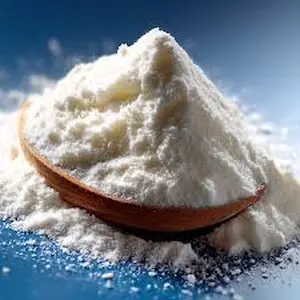
Paraffin Bleaching Mud might not sound glamorous, but in the world of industrial refinement, it’s a quiet powerhouse. This earthy, mineral-rich substance is used to purify paraffin wax — stripping away unwanted colors, odors, and impurities to reveal a cleaner, brighter, and more stable product. Think of it as the unsung hero behind the scenes, making sure the wax in your candles, cosmetics, and lubricants meets the highest standards.
Industries that rely on paraffin — from pharmaceuticals to packaging — demand consistency, purity, and performance. Raw paraffin, straight from petroleum sources, often contains traces of sulfur, pigments, and other contaminants. That’s where Paraffin Bleaching Mud steps in. It binds with these impurities and pulls them out, leaving behind a refined wax that’s ready for action.
🔥 “Top 5 Uses of Paraffin Bleaching Mud in Industrial Markets”
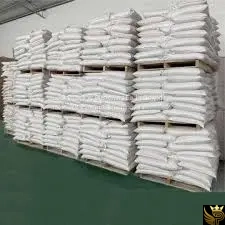
🔥 “Top 5 Uses of Paraffin Bleaching Mud in Industrial Markets”
🧪 What Makes It So Effective?
| Property | Function |
|---|---|
| High Absorption Capacity | Captures pigments, sulfur, and odor molecules |
| Heat Resistance | Performs well under industrial temperatures |
| Neutral Composition | Doesn’t react with wax or additives |
| Natural Origin | Often derived from bentonite or clay minerals |
In the article “Top 5 Uses of Paraffin Bleaching Mud in Industrial Markets,” we’ll explore how this humble material plays a vital role across different sectors — from enhancing product aesthetics to improving performance in demanding environments. Whether you’re in manufacturing, cosmetics, or chemical processing, understanding the value of Paraffin Bleaching Mud is key to unlocking cleaner, more efficient production.
🔬 The Science Behind Paraffin Bleaching Mud: Composition and Properties
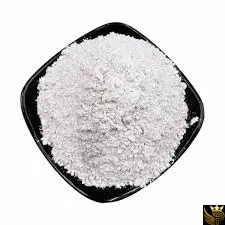
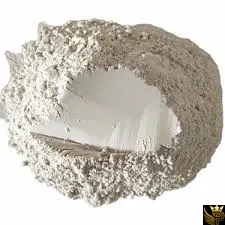
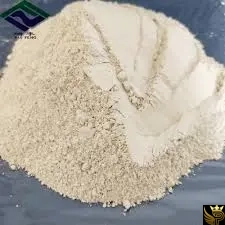
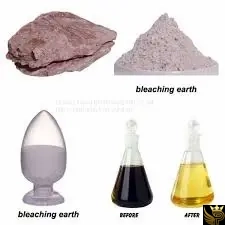
Paraffin Bleaching Mud isn’t just dirt — it’s a carefully selected blend of mineral-rich clays designed to do one job exceptionally well: purify paraffin wax. At its core, this mud is made up of substances like bentonite, attapulgite, or activated clay, each chosen for their unique ability to absorb impurities and stabilize chemical structures during wax processing.
When raw paraffin wax is extracted, it carries with it a cocktail of unwanted elements — sulfur compounds, colored hydrocarbons, and trace metals. These not only affect the wax’s appearance but also its performance in sensitive applications. Paraffin Bleaching Mud works like a sponge at the molecular level, trapping these contaminants and locking them away.
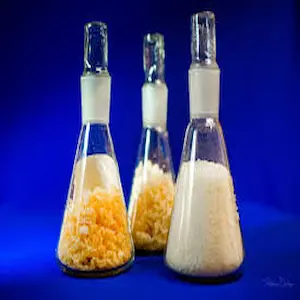
FootsPro 75 Premium Wax Refining Byproduct – Superior Lubricant & Fuel Blend
🔥 “Top 5 Uses of Paraffin Bleaching Mud in Industrial Markets”
🧪 What’s Inside the Mud?
| Component | Role in Bleaching Process |
|---|---|
| Bentonite Clay | High surface area for adsorption |
| Attapulgite | Stabilizes structure and enhances filtration |
| Activated Clay | Removes colorants and polar compounds |
| Silica & Alumina | Improve thermal resistance and chemical neutrality |
⚗️ How It Works
The magic lies in the mud’s porous structure. These microscopic pores create a massive internal surface area — imagine a sponge with millions of tiny tunnels. As molten paraffin passes through, the mud traps molecules that cause discoloration, odor, or instability. The result is a wax that’s brighter, cleaner, and more consistent.
This process doesn’t require harsh chemicals or complex reactions. It’s a physical purification method, relying on natural adsorption and filtration. That’s why Paraffin Bleaching Mud is favored in industries that value both performance and simplicity.
🏭 Industrial Relevance: Why Paraffin Bleaching Mud Is in High Demand
In today’s industrial landscape, purity isn’t a luxury — it’s a requirement. Whether it’s the wax coating on pharmaceutical tablets or the glossy finish of a luxury candle, manufacturers need materials that meet strict standards for color, texture, and chemical stability. That’s exactly where Paraffin Bleaching Mud steps in.
This humble, clay-based substance has become a quiet essential across multiple industries. Its ability to transform raw, yellowish paraffin into a clean, white, odorless wax makes it a go-to solution for producers who care about quality. And as consumer expectations rise, so does the demand for refined materials — pushing Paraffin Bleaching Mud into the spotlight.
🔥 “Top 5 Uses of Paraffin Bleaching Mud in Industrial Markets”
🏢 Where It’s Making an Impact
| Industry | Why It Needs Refined Paraffin |
|---|---|
| Cosmetics | For smooth, white wax in creams and balms |
| Pharmaceuticals | For coating pills with odorless, stable wax |
| Candle Manufacturing | For bright, uniform candles with no discoloration |
| Lubricants & Greases | For cleaner, more efficient formulations |
| Packaging & Coatings | For consistent texture and appearance |
📦 The Rise in Demand
As industries shift toward cleaner production and higher product standards, the need for effective purification agents has grown. Paraffin Bleaching Mud offers a natural, cost-effective way to meet those demands without introducing harsh chemicals or complex processes. It’s easy to use, widely available, and delivers consistent results — a trifecta that makes it highly attractive to manufacturers.
💄 Use #1 – Refining Paraffin Wax for Cosmetic and Pharmaceutical Applications
When it comes to cosmetics and pharmaceuticals, purity isn’t just preferred — it’s essential. Products that come into direct contact with the skin or are ingested must meet the highest standards of cleanliness, stability, and safety. That’s why Paraffin Bleaching Mud plays such a vital role in refining wax used in these industries.
Raw paraffin wax often contains traces of sulfur, pigments, and aromatic compounds that can affect texture, color, and even scent. For a face cream or a medicinal tablet, these imperfections are unacceptable. Paraffin Bleaching Mud removes these impurities, transforming the wax into a smooth, white, odorless substance that’s ideal for sensitive applications.
🧴 In Cosmetics: Softness Meets Purity
Cosmetic-grade paraffin is used in moisturizers, lip balms, and skin treatments. It acts as a barrier to lock in moisture and protect the skin. But to do that effectively — and safely — the wax must be free of contaminants. Bleaching mud ensures the wax is silky, stable, and visually appealing, without any unwanted residues.
💊 In Pharmaceuticals: Precision and Safety
In pharmaceutical manufacturing, paraffin is often used to coat pills and capsules, helping with controlled release and shelf stability. Any impurity in the wax could compromise the drug’s effectiveness or cause irritation. Paraffin Bleaching Mud guarantees a refined wax that meets strict medical standards, ensuring both safety and performance.
🔥 “Top 5 Uses of Paraffin Bleaching Mud in Industrial Markets”
🧪 Before and After: A Quick Comparison
| Property | Raw Paraffin Wax | Refined with Bleaching Mud |
|---|---|---|
| Color | Yellowish or gray | Bright white |
| Texture | Grainy or uneven | Smooth and consistent |
| Odor | Petroleum-like smell | Odorless |
| Purity Level | Low | High |
| Suitability for Skin | Potentially irritating | Safe and gentle |
🚗 Use #2 – Enhancing Lubricant Purity in Automotive and Machinery Sectors
In the world of engines, gears, and industrial machines, precision is everything. Lubricants are the lifeblood of these systems — reducing friction, preventing wear, and ensuring smooth operation under extreme conditions. But not all lubricants are created equal. Their effectiveness depends heavily on the purity of the base materials, especially paraffin wax. That’s where Paraffin Bleaching Mud comes into play.
Paraffin wax is often used as a thickening agent or stabilizer in lubricant formulations. However, raw paraffin can contain impurities like sulfur compounds, metal traces, and colored hydrocarbons that compromise performance. Paraffin Bleaching Mud removes these contaminants, resulting in a cleaner, more stable wax that enhances the overall quality of the lubricant.
🛠 Why Purity Matters in Lubricants
Impure lubricants can lead to:
- Increased friction and heat
- Faster wear and tear on components
- Reduced efficiency and lifespan of machinery
- Build-up of residues and sludge
By refining the paraffin component with bleaching mud, manufacturers can produce lubricants that are smoother, longer-lasting, and better suited for high-performance environments — from car engines to heavy-duty industrial machines.
🔥 “Top 5 Uses of Paraffin Bleaching Mud in Industrial Markets”
⚙️ Before and After: Lubricant Quality Comparison
| Attribute | Lubricant with Raw Paraffin | Lubricant with Refined Paraffin |
|---|---|---|
| Thermal Stability | Moderate | High |
| Viscosity Consistency | Variable | Stable |
| Residue Formation | Likely | Minimal |
| Component Protection | Limited | Enhanced |
| Shelf Life | Shorter | Extended |
🛢️ Use #3 – Purification of Industrial Oils and Greases
Industrial oils and greases are the unsung heroes of manufacturing. They keep machines running smoothly, reduce wear and tear, and protect components under intense pressure and heat. But for these lubricants to perform at their best, they need to be clean — free from impurities that can compromise their stability and efficiency. That’s where Paraffin Bleaching Mud becomes a game-changer.
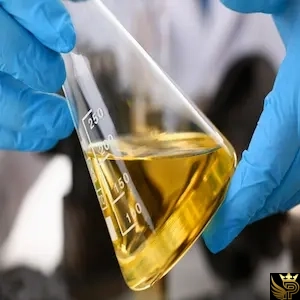
Many industrial lubricants contain paraffin wax as a base or additive. However, raw paraffin often carries unwanted elements like sulfur compounds, heavy metals, and colored hydrocarbons. These contaminants can lead to oxidation, sludge formation, and reduced lubrication quality. Paraffin Bleaching Mud purifies the wax component, ensuring that the final oil or grease is cleaner, more stable, and better suited for demanding industrial environments.
🧪 Why Purification Is Critical
Impurities in industrial oils and greases can cause:
- Breakdown under high temperatures
- Increased corrosion and oxidation
- Sticky residues that clog machinery
- Shortened service life of lubricants
- Higher maintenance costs and downtime
By refining the paraffin content, manufacturers can produce lubricants that resist degradation, flow more consistently, and extend the lifespan of mechanical systems — from conveyor belts to hydraulic presses.
🔥 “Top 5 Uses of Paraffin Bleaching Mud in Industrial Markets”
⚙️ Before and After: Industrial Lubricant Comparison
| Attribute | With Raw Paraffin | With Refined Paraffin |
|---|---|---|
| Oxidation Resistance | Low | High |
| Thermal Stability | Moderate | Excellent |
| Residue Formation | Frequent | Minimal |
| Lubrication Quality | Inconsistent | Reliable |
| Equipment Protection | Limited | Enhanced |
🕯️ Use #4 – Role in Candle Manufacturing: Achieving Whiteness and Consistency
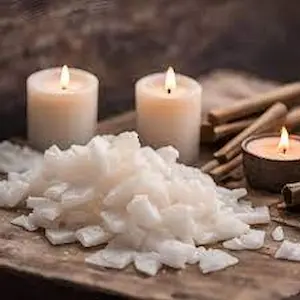
Candles may seem simple, but behind their soft glow lies a precise science. From decorative pieces to scented wellness products, candles are expected to look clean, burn evenly, and maintain their shape over time. One of the key ingredients that determines these qualities is paraffin wax — and its refinement is where Paraffin Bleaching Mud plays a crucial role.
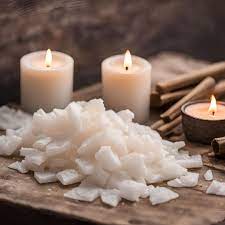
Raw paraffin wax often carries a yellowish tint and subtle petroleum odor. These imperfections can affect the candle’s appearance, scent profile, and burning behavior. Paraffin Bleaching Mud removes these impurities, resulting in a bright white, odorless wax that’s ideal for candle production. The result? Candles that are visually appealing, consistent in texture, and reliable in performance.
🧼 Why Whiteness and Consistency Matter
In candle manufacturing, even minor inconsistencies can lead to:
- Uneven burning or tunneling
- Discoloration over time
- Unpleasant odors during use
- Cracking or warping in finished products
By refining the wax with bleaching mud, manufacturers ensure that each candle meets aesthetic and functional standards — whether it’s a luxury pillar candle or a mass-produced tealight.
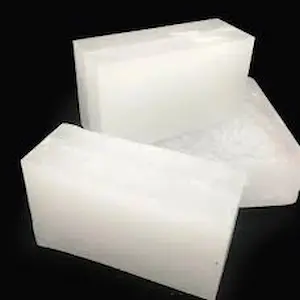
Volk Oil UltraPure 72 Pro Grade Paraffin & Petroleum Jelly – Maximum Purity & Performance
🔥 “Top 5 Uses of Paraffin Bleaching Mud in Industrial Markets”
🧪 Before and After: Candle Wax Comparison
| Attribute | Raw Paraffin Wax | Refined with Bleaching Mud |
|---|---|---|
| Color | Yellowish or dull | Bright white |
| Texture | Grainy or inconsistent | Smooth and uniform |
| Odor | Slight petroleum smell | Odorless |
| Burn Quality | Uneven or fast-burning | Steady and clean |
| Shelf Appeal | Low | High |
🧩 Use #5 – Application in Rubber and Plastic Processing Industries
Rubber and plastic products are everywhere — from tires and seals to packaging films and household containers. These materials must be durable, flexible, and visually consistent. To achieve that, manufacturers rely on additives and processing agents that enhance the quality of raw polymers. One such behind-the-scenes hero is Paraffin Bleaching Mud.
In rubber and plastic processing, paraffin wax is often used as a lubricant, mold-release agent, or stabilizer. However, if the wax contains impurities like sulfur compounds, pigments, or residual odors, it can interfere with polymer blending, cause discoloration, or affect the final product’s texture. Paraffin Bleaching Mud purifies the wax before it’s added to the mix — ensuring smoother processing and cleaner results.
🧪 Why It Matters in Polymer Production
Impure wax in rubber and plastic manufacturing can lead to:
- Uneven texture or surface defects
- Poor mold release and sticking issues
- Unwanted color shifts or yellowing
- Reduced flexibility or brittleness
- Lower product shelf appeal and performance
By refining paraffin wax with bleaching mud, manufacturers gain better control over the final product’s appearance, consistency, and mechanical properties — whether it’s a high-performance rubber seal or a glossy plastic container.
🔥 “Top 5 Uses of Paraffin Bleaching Mud in Industrial Markets”
⚙️ Before and After: Polymer Additive Comparison
| Attribute | With Raw Paraffin | With Refined Paraffin |
|---|---|---|
| Surface Finish | Rough or blotchy | Smooth and uniform |
| Color Stability | Prone to yellowing | Bright and consistent |
| Mold Release | Sticky or uneven | Clean and efficient |
| Flexibility | Reduced | Enhanced |
| Processing Efficiency | Variable | Optimized |
🌍 Environmental and Economic Benefits of Using Bleaching Mud
Paraffin Bleaching Mud isn’t just an industrial workhorse — it’s also a sustainable and cost-effective solution that aligns with modern environmental and economic priorities. As industries shift toward cleaner production methods and tighter budgets, this natural clay-based material offers a rare win-win: performance with responsibility.
🌱 Environmental Advantages
Using bleaching mud helps reduce the environmental footprint of paraffin refining in several key ways:
- Natural Composition: Made from minerals like bentonite and attapulgite, bleaching mud is non-toxic and biodegradable.
- Chemical-Free Processing: It enables purification without harsh chemicals, minimizing hazardous waste and emissions.
- Waste Reduction: By improving the quality of paraffin, it reduces the need for reprocessing or disposal of substandard batches.
- Energy Efficiency: Cleaner waxes require less energy during downstream applications like molding, heating, and packaging.
In short, it supports greener manufacturing without compromising quality — a major advantage in today’s eco-conscious markets.
💰 Economic Benefits
Beyond sustainability, bleaching mud delivers tangible financial value to manufacturers:
- Lower Production Costs: It simplifies the purification process, reducing the need for expensive chemical treatments or multi-stage filtration.
- Improved Product Yield: Higher-quality wax means fewer defects, less waste, and more usable output.
- Enhanced Market Value: Refined paraffin fetches better prices in cosmetics, pharmaceuticals, and premium candle markets.
- Operational Efficiency: Consistent wax quality leads to smoother production runs, fewer breakdowns, and lower maintenance costs.
These benefits make bleaching mud not just a technical asset — but a strategic one, helping companies stay competitive while meeting environmental standards.
🔮 Future Outlook: Innovations and Market Trends in Paraffin Treatment
As industries evolve, so do the technologies and expectations surrounding paraffin treatment. What was once a basic purification step is now becoming a platform for innovation — driven by sustainability goals, performance demands, and market differentiation. Paraffin Bleaching Mud, while rooted in tradition, is poised to play a dynamic role in the future of industrial refinement.
🚀 Emerging Innovations
Several exciting developments are reshaping how paraffin is treated and utilized:
- Nano-Enhanced Bleaching Agents: Researchers are exploring nano-clay composites that offer higher surface area and faster adsorption, improving purification efficiency.
- Hybrid Filtration Systems: Combining bleaching mud with activated carbon or membrane technologies for multi-stage refinement.
- Smart Monitoring Tools: AI-powered sensors and analytics are being integrated into refining systems to optimize mud usage and predict performance outcomes.
- Eco-Friendly Regeneration: New methods for recycling and reactivating used bleaching mud are reducing waste and lowering operational costs.
These innovations are not just technical upgrades — they’re strategic shifts toward cleaner, smarter, and more cost-effective production.
🔥 “Top 5 Uses of Paraffin Bleaching Mud in Industrial Markets”
📈 Market Trends to Watch
The global paraffin market is responding to shifting consumer and regulatory pressures. Key trends include:
- Demand for Ultra-Pure Grades: Especially in pharmaceuticals, cosmetics, and food packaging, where purity is non-negotiable.
- Rise of Bio-Based Alternatives: While petroleum-based paraffin remains dominant, interest in plant-derived waxes is growing — and bleaching technologies are adapting accordingly.
- Regional Expansion: Emerging markets in Asia, Africa, and South America are investing in local refining capabilities, increasing demand for accessible purification solutions.
- Sustainability Certifications: Manufacturers are seeking eco-labels and compliance with green standards, making clean refining methods a competitive advantage.
Together, these trends suggest that paraffin treatment is no longer just a background process — it’s becoming a focal point of innovation and strategic value.
Top 5 uses of paraffin bleaching mud, Paraffin bleaching mud bulk applications, Industrial paraffin bleaching mud uses, Paraffin bleaching mud for wax purification, Paraffin bleaching mud for oil refining, Paraffin bleaching mud for filtration processes, Paraffin bleaching mud for cosmetic-grade wax, Buy paraffin bleaching mud in bulk, Wholesale paraffin bleaching mud from Iran, Bulk selling paraffin bleaching mud from Iran, Bulk buying paraffin bleaching mud from Iran, Manufacturer of paraffin bleaching mud in Tehran, Manufacturer of paraffin bleaching mud in London, Manufacturer of paraffin bleaching mud in New York, Manufacturer of paraffin bleaching mud in Dubai, Manufacturer of paraffin bleaching mud in Mumbai, Manufacturer of paraffin bleaching mud in Istanbul, Manufacturer of paraffin bleaching mud in Los Angeles, Manufacturer of paraffin bleaching mud in Paris, Manufacturer of paraffin bleaching mud in Jakarta, Manufacturer of paraffin bleaching mud in Cairo