




| Row Number | SEO Optimized Heading |
|---|---|
| 1 | Why Choosing a Global Wax Supplier Gives B2B Buyers a Competitive Edge |
| 2 | Reliable Bulk Supply for Paraffin Wax, Petroleum Jelly, and Industrial Wax Products |
| 3 | How a Trusted Manufacturer Ensures Consistent Quality Across Global Markets |
| 4 | The Importance of Export Experience in International Wax and Vaseline Trade |
| 5 | Access to Industrial Grade and Cosmetic Grade Products from One Supplier |
| 6 | Better Pricing, Bulk Order Flexibility, and Long-Term Supply Stability |
| 7 | Faster Logistics and Smoother Export Documentation for Importers and Distributors |
| 8 | Custom Product Solutions for Private Label, Packaging, and Market-Specific Demand |
| 9 | Why Global Buyers Prefer Manufacturers with Scalable Production Capacity |
| 10 | How the Right Wax Supplier Supports Growth in the Global Market |
🌐 ## 1. Why Choosing a Global Wax Supplier Gives B2B Buyers a Competitive Edge
In the fast-paced world of industrial manufacturing and chemical distribution, securing a reliable supply chain is often the difference between market leadership and stagnant operations. For procurement managers and B2B buyers, the decision of which paraffin wax supplier to partner with goes far beyond simple price negotiation. It is a strategic choice that dictates production stability, quality consistency, and, ultimately, your bottom line.
When you operate in competitive environments—whether your distribution network centers in the bustling industrial zones of Mumbai or the strategic trading hub of Dubai—you need a partner who understands the nuances of the global market. A specialized paraffin wax manufacturer does not just sell a commodity; they provide a solution that integrates into your specific manufacturing processes, whether that involves candle making, packaging, or heavy industrial lubrication.
Table of Contents
ToggleReliability in a Volatile Market
The primary advantage of working with an established global bulk paraffin wax supplier is supply chain resilience. Local markets can often be subject to sudden shortages or drastic price fluctuations. Conversely, a global player manages high-volume production cycles, ensuring that even during seasonal demand spikes, your raw materials remain available. This scale allows a professional industrial wax exporter to hedge against market volatility, providing you with price stability that local traders simply cannot match.
Furthermore, dealing with a manufacturer gives you direct access to technical support. If your factory requires a specific melting point or oil content for your industrial paraffin wax applications, a manufacturer can adjust production parameters to meet those requirements, whereas a middleman is often limited to stock-on-hand.
7 Powerful Advantages of Working with a Global Wax Supplier
Operational Excellence for B2B Importers
The efficiency of an importer or distributor is measured by the quality of goods arriving at their warehouse and the speed of the logistics process. Partnering with a dedicated bulk wax distributor or manufacturer ensures that compliance, certification, and packaging standards are met consistently.
| Operational Aspect | Local Sourcing | Global Supplier Partnership |
|---|---|---|
| Supply Consistency | High risk of stock shortages | High availability via large-scale production |
| Pricing Strategy | Often volatile based on local scarcity | Stable, negotiated long-term pricing |
| Quality Control | Varied; difficult to enforce standards | Uniform, laboratory-verified quality (ISO/ASTM) |
| Logistics Support | Limited to regional delivery | Experienced in international export documentation |
| Product Customization | Minimal or non-existent | Tailored specifications for specific industrial needs |
Quality Assurance: The Competitive Edge
Whether you are sourcing cosmetic grade petroleum jelly for skincare formulations or high-purity waxes for specialized industrial coatings, quality is non-negotiable. A global petroleum jelly manufacturer adheres to international safety and purity standards, ensuring that every batch meets the necessary health and safety regulations for your target market.
By choosing a partner who acts as a direct link from production to your doorstep, you eliminate unnecessary layers of communication. This transparency allows for better tracking of shipments and ensures that if any technical issues arise, you are speaking directly to the source of production rather than a reseller. In the global trade arena, this level of access is the hallmark of a successful procurement strategy, positioning your business to meet demand more effectively and reliably than competitors relying on fragmented supply chains.
📦 ## 2. Reliable Bulk Supply for Paraffin Wax, Petroleum Jelly, and Industrial Wax Products
For B2B buyers, supply reliability is not a marketing phrase—it is a measurable commercial requirement. A delayed container, inconsistent batch quality, or a sudden shortage in raw materials can interrupt manufacturing schedules, damage distributor relationships, and create unnecessary financial pressure across the chain. This is why serious importers, factories, and procurement teams place strong emphasis on working with a dependable bulk paraffin wax supplier and an experienced petroleum jelly manufacturer capable of maintaining continuity under real market conditions.
In the wax industry, reliability begins with production planning. Buyers in active trading and manufacturing centers such as Istanbul, Karachi, and Jakarta often operate on fixed procurement cycles. They do not simply need product availability; they need accurate lead times, predictable shipment schedules, and confidence that each order will match the approved technical profile. A professional industrial wax exporter understands that the buyer’s success depends on consistency across every shipment—not just the first sample or the first order.
A reliable global supplier usually maintains structured production capacity across multiple wax categories, allowing B2B customers to source more than one material from a single commercial partner. This matters because many manufacturers require integrated purchasing. A candle producer may need fully refined paraffin wax for clean burn performance, while a packaging or adhesive producer may require microcrystalline wax supplier support for flexibility and binding properties. At the same time, another division may be sourcing white petrolatum supplier solutions for cosmetic or pharmaceutical-adjacent formulations. Consolidating these needs with one qualified supplier reduces complexity, speeds up purchasing, and lowers operational risk.
The reliability of supply is also closely tied to product segmentation. Not all waxes serve the same end use, and not all buyers need the same grade. Industrial customers need clarity on what is available in bulk, what can be customized, and which specifications remain stable over repeated orders.
| Product Type | Common B2B Use | Key Supply Priority | Buyer Benefit |
|---|---|---|---|
| Paraffin Wax | Candles, board sizing, rubber, matches | Consistent melting point and oil content | Stable production output |
| Petroleum Jelly | Cosmetics, personal care, industrial lubrication | Purity, color consistency, texture control | Reliable formulation quality |
| Microcrystalline Wax | Adhesives, coatings, packaging, blends | Flexibility, adhesion, controlled crystallinity | Better industrial performance |
| Slack Wax | Emulsions, polishing, wax blends | Competitive bulk availability | Cost-efficient sourcing |
| Specialty Wax Derivatives | Industrial and cosmetic custom applications | Tailored specifications | Greater market adaptability |
Another important point is inventory synchronization. Experienced exporters serving markets like Cairo, Ho Chi Minh City, and Johannesburg know that international buyers often need a supplier who can align with seasonal demand, container optimization, and regional import cycles. For example, a distributor preparing for festival-related production demand may require faster replenishment of industrial paraffin wax, while a cosmetics manufacturer may need stable access to cosmetic grade petroleum jelly during peak consumption periods. A supplier with strong production discipline can support both patterns without compromising quality.
From a procurement perspective, dependable supply also improves negotiation power. When buyers know their paraffin wax manufacturer can support regular monthly or quarterly contracts, they can build stronger pricing strategies for their own customers. That predictability is especially valuable for distributors serving wholesale accounts in dynamic regions such as Mexico City or São Paulo, where customers expect immediate stock availability and minimal specification changes.
Ultimately, reliable bulk supply is about much more than moving product. It is about creating confidence in every stage of the transaction—from production scheduling and quality control to export packing and delivery planning. In international wax trade, the suppliers who truly stand out are those who can support volume, maintain technical consistency, and serve as a long-term commercial partner for growing B2B operations.
🧪 ## 3. How a Trusted Manufacturer Ensures Consistent Quality Across Global Markets
In international trade, quality consistency is what turns a one-time shipment into a long-term supply relationship. For importers, distributors, and industrial buyers, the real challenge is not only finding a product that meets specification once—it is finding a manufacturer that can deliver the same performance across repeated orders, changing market conditions, and different destination requirements. This is especially critical in the wax sector, where even small variations in oil content, penetration, color, melting point, or texture can directly affect downstream production.
A trusted paraffin wax manufacturer understands that consistency begins long before the product is packed for export. It starts with raw material selection, process control, batch testing, and specification discipline. Buyers in highly competitive markets such as Dubai, Mumbai, and Istanbul often compare suppliers not only on price, but on how reliably each shipment performs in real industrial use. If one batch of wax burns cleanly and the next one smokes excessively, or if one lot of petroleum jelly has a smooth texture while the next appears unstable, the buyer’s manufacturing line and brand reputation are both exposed to risk.
For this reason, professional producers invest in controlled production systems rather than opportunistic trading. A serious bulk paraffin wax supplier works with clearly defined quality parameters for each grade, whether the requirement is for candle production, board coating, rubber processing, or industrial packaging. The same principle applies to a specialized petroleum jelly manufacturer, where color stability, odor profile, softness, and purity must remain aligned with the intended cosmetic or industrial application.
Quality consistency also means understanding the functional purpose of each wax type. For example, fully refined paraffin wax may be required when the buyer needs low oil content and clean appearance, while slack wax may be more suitable where cost efficiency and blending flexibility matter more. A reliable microcrystalline wax supplier must also ensure that flexibility, tack, and structural performance remain within the expected range, especially for customers working in adhesives, laminates, and specialty coatings.
| Quality Control Area | Why It Matters for B2B Buyers | Typical Impact on End Use |
|---|---|---|
| Melting Point Stability | Ensures predictable process behavior | Better production control in candles and coatings |
| Oil Content Consistency | Affects burn quality, texture, and purity | Critical for paraffin wax and petrolatum applications |
| Color and Appearance | Important for visual standards and formulation | Essential in cosmetic and consumer-facing products |
| Penetration and Texture | Determines softness, spreadability, and flexibility | Important for petroleum jelly and specialty waxes |
| Batch-to-Batch Uniformity | Reduces risk in repeat manufacturing | Supports brand stability and fewer customer complaints |
Another major factor is documentation and testing transparency. Global buyers in Karachi, Jakarta, and Cairo often require more than a general product description. They want technical data sheets, batch-related information, and confidence that the product they receive will match their approved sample. When a supplier can support this with clear reporting and disciplined quality assurance, it becomes much easier for procurement managers to justify repeat purchases and larger contracts.
This consistency becomes even more valuable in multi-market distribution. A white petrolatum supplier serving one importer may be supplying cosmetic processors, while another buyer may use the same material in industrial lubrication or protective compounds. Likewise, a bulk wax distributor supplying several countries must trust that each container arriving in São Paulo, Mexico City, or Ho Chi Minh City will perform as expected in local manufacturing conditions. Without stable quality, growth in export business becomes difficult to sustain.
Ultimately, trusted manufacturers create value by reducing uncertainty. They allow buyers to forecast with confidence, manufacture without interruption, and serve their own customers with greater credibility. In a global market where technical reliability often matters more than promotional claims, consistent quality is one of the strongest competitive advantages any wax supplier can offer

7 Powerful Advantages of Working with a Global Wax Supplier
🚢 ## 4. The Importance of Export Experience in International Wax and Vaseline Trade
In international B2B trade, product quality alone is not enough. A supplier may produce excellent waxes or petroleum derivatives, but without real export experience, even a good product can become a costly problem. For importers, distributors, and procurement managers, the difference between a smooth transaction and a disrupted supply chain often depends on how well the supplier handles the export process itself. In the wax and petrolatum industry, where bulk orders, technical specifications, and time-sensitive delivery schedules are common, export expertise is a serious commercial advantage.
An experienced industrial wax exporter understands that international trade is not limited to loading goods into containers. It involves export documentation, packing standards, product labeling, customs coordination, freight planning, and the ability to align shipments with destination market requirements. Buyers in commercial hubs such as Dubai, Istanbul, and Mumbai often prefer working with suppliers who already know how to navigate these practical steps, because every delay at origin or destination can affect production plans, customer commitments, and working capital.
For example, when purchasing from a qualified paraffin wax supplier, the buyer expects more than access to volume. They expect the supplier to prepare cargo in a way that protects product quality during transport, especially when goods are moving through hot climates or long shipping routes. Poor packaging can lead to deformation, leakage, contamination, or commercial disputes upon arrival. This is particularly important for petroleum jelly manufacturer shipments, where packaging integrity and cleanliness are essential, especially if the product is intended for cosmetic or personal care applications.
Export experience also helps suppliers support more efficient communication with buyers. In international trade, clarity matters. A professional exporter understands the need to confirm lead time, shipment terms, production status, and documentation details before the goods leave the factory. This reduces misunderstandings and allows buyers in Karachi, Cairo, and Johannesburg to coordinate inland logistics, warehouse planning, and customer deliveries with greater confidence.
| Export Capability | Why It Matters | Benefit for B2B Buyers |
|---|---|---|
| Accurate Export Documentation | Prevents customs delays and compliance issues | Faster clearance and lower import risk |
| Export-Ready Packaging | Protects product quality during transit | Reduced damage and fewer claims |
| Lead Time Management | Supports procurement planning | Better inventory control |
| Freight and Container Planning | Optimizes loading and shipping cost | Improved landed cost efficiency |
| Market-Specific Shipping Experience | Helps adapt to regional import conditions | Smoother operations in multiple destinations |
Another major advantage of export-experienced suppliers is flexibility in serving diverse markets. The expectations of a buyer in Jakarta may differ from those of a distributor in Mexico City or a manufacturer in São Paulo. Some customers prioritize cost-efficient bulk packing, while others need cleaner presentation, customized labeling, or specification consistency across repeated shipments. A seasoned bulk paraffin wax supplier or white petrolatum supplier can adapt to these requirements without turning each order into a trial-and-error process.
This is especially valuable for buyers sourcing multiple products from one origin. If a company imports industrial paraffin wax, cosmetic grade petroleum jelly, and materials from a microcrystalline wax supplier under one purchasing strategy, it needs a partner that can coordinate mixed cargo professionally. Export know-how becomes essential when arranging container allocation, harmonizing documentation, and ensuring that all items are prepared according to the agreed trade terms.
Ultimately, export experience reduces friction. It helps buyers avoid preventable delays, protect product integrity, and maintain a stable commercial rhythm in international markets. In wax and vaseline trade, where margins can be influenced by logistics as much as by production cost, working with a supplier that understands global export operations is not simply helpful—it is a strategic necessity.
📦 ## 6. Logistics and Packaging: Ensuring Product Integrity from Factory to Destination
In the international trade of paraffin wax and petroleum derivatives, the journey from the manufacturing facility to the buyer’s warehouse is as critical as the production process itself. For a bulk paraffin wax supplier or a petroleum jelly manufacturer, the ability to manage complex logistics and provide specialized packaging is what ensures that the product arriving in Dubai, Mumbai, or Rotterdam maintains the exact specifications it had when it left the factory.
Global B2B buyers are well aware that waxes and petrolatum are sensitive to environmental factors. Exposure to extreme heat can cause melting or deformation of wax slabs, while improper drum sealing can lead to contamination of high-purity petroleum jelly. Therefore, professional exporters do not treat logistics as an afterthought; they treat it as a core part of their quality assurance protocol.
Specialized Packaging Solutions for International Transit
Different products and different destination markets require different packaging approaches. A trusted supplier offers a range of options designed to optimize container space while providing maximum protection:
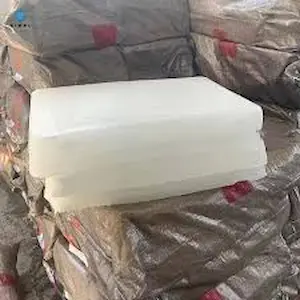
- Paraffin Wax Packaging: Typically supplied in 5kg or 25kg slabs, these are packed in heavy-duty cartons or woven polypropylene bags. For high-end fully refined paraffin wax, cartons are often preferred to prevent any physical damage or contact with dust during multi-stage handling.
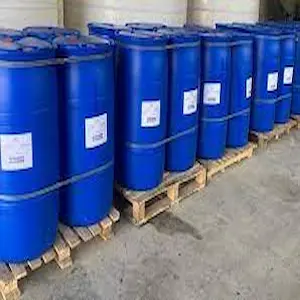
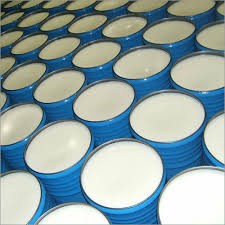
- Petroleum Jelly Packaging: To maintain the purity of cosmetic and pharmaceutical grade petroleum jelly, most exporters use new, internally coated steel drums (typically 170kg to 175kg). For industrial applications, reconditioned drums or plastic pails may be used to provide a more cost-effective solution for the buyer.
- Foots Oil and Slack Wax: These are often shipped in steel drums or, for high-volume industrial buyers, via Flexitanks or ISO tanks, which allow for more efficient bulk transport of liquid or semi-solid materials.
Logistics Efficiency and Global Reach
A manufacturer’s proximity to major shipping hubs and their relationship with global freight forwarders directly impacts the “landed cost” for the importer. An experienced industrial wax exporter focuses on three logistics pillars:
- Lead Time Reliability: Ensuring that production schedules are aligned with vessel bookings to avoid costly port storage fees or “dead freight.”
- Documentation Accuracy: Preparing precise Bills of Lading, Certificates of Analysis (COA), Certificates of Origin, and packing lists that meet the specific customs requirements of countries like India, Turkey, Egypt, or Pakistan.
- Container Optimization: Expertly planning the loading of containers (FCL) to maximize volume and weight capacity, which reduces the per-ton shipping cost for the buyer.
Comparison of Export Packaging Options
| Packaging Type | Best For | Capacity (Approx.) | Key Advantage for Buyers |
|---|---|---|---|
| Heavy-Duty Cartons | Fully/Semi Refined Wax Slabs | 25 kg | Maximum protection, easy for retail distribution |
| Woven Poly Bags | Industrial Wax / Slack Wax Slabs | 25 kg – 50 kg | Cost-effective, breathable, durable |
| New Steel Drums | Cosmetic & Pharma Petroleum Jelly | 175 kg | Ensures zero contamination, easy to handle with machinery |
| Flexitanks | Bulk Foots Oil / Slack Wax | 20 – 24 Tons | Lowest shipping cost for very high-volume liquid orders |
| Palletized Cargo | All Product Types | Per Container | Reduces labor cost for unloading at the destination warehouse |
The Strategic Value of “Mixed Loading”
One of the most significant logistical advantages a versatile paraffin wax manufacturer can offer is the ability to provide Mixed Container Loads. Many distributors in growing markets do not always need a full 20ft container of a single product. They may require 10 tons of semi-refined paraffin wax and 10 tons of cosmetic petroleum jelly.
Suppliers who can professionally coordinate the loading of different product types—ensuring that heavier drums do not damage lighter cartons and that all documentation is harmonized—provide immense value. This flexibility allows buyers to maintain leaner inventories, reduce their financial exposure, and test new product grades in their local markets without committing to massive single-product volumes.
Ultimately, superior logistics and packaging turn a manufacturing capability into a global supply chain solution. For the international buyer, this means peace of mind, knowing that the “Snow White” petroleum jelly or the “0.5% oil” paraffin wax they ordered will arrive at their door in exactly that condition, ready for immediate use or resale.
7 Powerful Advantages of Working with a Global Wax Supplier
📄 ## 7. Demystifying Technical Specifications: A Buyer’s Guide to Reading a Certificate of Analysis (COA)
In the global trade of industrial chemicals and petroleum derivatives, the Certificate of Analysis (COA) is the ultimate document of trust. For procurement managers, chemical engineers, and quality assurance teams, a COA is not just a piece of paper—it is a technical guarantee that the shipped product matches the exact physical and chemical properties required for their manufacturing processes.
Whether you are purchasing from a paraffin wax manufacturer, a petroleum jelly manufacturer, or sourcing bulk raw materials from a foots oil supplier, understanding how to interpret a COA is critical. Slight deviations in key parameters can lead to production shutdowns, defective end products, or customs clearance issues.
Below is a detailed guide to the most critical technical parameters found on a standard COA for waxes and petrolatum, along with their standard test methods and industrial significance.
Key Technical Parameters for Paraffin Wax
When evaluating a COA from a bulk paraffin wax supplier, the following parameters determine the grade, quality, and processing behavior of the wax:
1. Melting Point (congealing point) — ASTM D87 / ASTM D938
- What it is: The temperature at which liquid wax transitions into a solid state.
- Why it matters: It dictates how the wax behaves under heat. For candle makers, a higher melting point (e.g., 58–60°C or 60–62°C) prevents candles from sagging or sweating in warm climates, while a lower melting point (e.g., 54–56°C) is ideal for container candles or hot-melt adhesives.
2. Oil Content — ASTM D721
- What it is: The percentage of liquid hydrocarbons (oil) remaining in the wax structure.
- Why it matters: Fully refined waxes must have an oil content below 0.5% (or 0.8% depending on the standard). If the oil content is too high, candles will smoke and burn unevenly, coatings will become greasy, and the wax will lose its structural strength. In contrast, slack wax and foots oil have intentionally high oil contents (ranging from 5% to over 35%) for specific industrial lubrication and waterproofing applications.
3. Color (Saybolt or Lovibond) — ASTM D156 / ASTM D1500
- What it is: A numerical scale representing the visual clarity or yellowness of the product.
- Why it matters: For refined waxes, the Saybolt scale is typically used, where +30 represents a pure, water-white appearance. Lovibond is more common for darker or yellow-graded industrial products. If your end product requires high visual purity (such as cosmetics or clear packaging), a high Saybolt rating is non-negotiable.
Key Technical Parameters for Petroleum Jelly (Petrolatum)
For a white petrolatum supplier or cosmetic manufacturer, a COA must demonstrate chemical stability and purity:
1. Cone Penetration — ASTM D937
- What it is: The depth (measured in tenths of a millimeter) to which a standard cone penetrates the petrolatum sample under specified conditions.
- Why it matters: It measures the hardness, softness, and spreadability of the jelly. Cosmetic formulators need a specific penetration range (usually between 130 and 180 dmm) to ensure smooth application on the skin, while industrial cable-filling compounds might require a stiffer consistency.
2. Viscosity (Kinematic Viscosity at 100°C) — ASTM D445
- What it is: The measure of the fluid’s resistance to flow at high temperatures.
- Why it matters: Viscosity affects how easily petroleum jelly can be pumped and blended with other ingredients during hot-mixing in cosmetic or pharmaceutical manufacturing.
3. UV Absorption (Purity Test) — BP / USP standards
- What it is: A test that measures the product’s absorption of ultraviolet light to detect the presence of polycyclic aromatic hydrocarbons (PAHs).
- Why it matters: This is a critical safety pass/fail test for cosmetic and pharmaceutical grades. It guarantees that the petroleum jelly is entirely non-toxic, hypoallergenic, and safe for topical human use.
Reference Table: Typical COA Parameters & Test Methods
| Product | Parameter | Standard Test Method | Typical Range (Fully Refined / Pure) | Operational Impact of Out-of-Spec Batches |
|---|---|---|---|---|
| Paraffin Wax | Melting Point | ASTM D87 | 58 – 62 °C | Sagging, deformation, or brittle texture in final product |
| Paraffin Wax | Oil Content | ASTM D721 | Max 0.5% – 0.8% | Excessive smoking in candles; oily surface residues |
| Paraffin Wax | Saybolt Color | ASTM D156 | +28 to +30 | Yellow tint, visual impurities, off-gassing issues |
| Petroleum Jelly | Cone Penetration | ASTM D937 | 130 – 170 dmm | Too greasy/runny (if high) or too hard/unspreadable (if low) |
| Petroleum Jelly | Drop Melting Point | ASTM D127 | 50 – 58 °C | Formula separation in hot environments or warehouses |
| Foots Oil | Oil Content | ASTM D721 | 30% – 40% | Poor binding or bleeding of oil in blends |
How to Verify the Integrity of a COA
Experienced global buyers do not rely solely on the manufacturer’s internal laboratory testing. To mitigate risk, a robust quality assurance strategy includes:
- Third-Party Inspection: Arranging for independent inspection bodies like SGS, Bureau Veritas, or Intertek to draw representative samples directly from the production batch or during container loading.
- Cross-Reference Testing: Conducting baseline testing on pre-shipment samples (PSS) to compare the results with the final batch COA before authorizing the release of funds or shipment.
- Consistency Audits: Tracking key parameters across multiple shipments to ensure that the supplier’s process capability remains stable over time.
By mastering the technical language of the COA, B2B procurement professionals can establish clearer expectations with their suppliers, reduce material waste, and guarantee that every ton of wax or petrolatum imported delivers exactly the performance their factory lines demand.
🏭 ## 8. From Cosmetic Formulations to Industrial Coatings: How Paraffin and Petroleum Jelly Power Global Industries
While many consumers associate paraffin wax only with candles or petroleum jelly only with skincare, industrial procurement professionals recognize these materials as the “invisible backbone” of modern manufacturing. As a leading paraffin wax manufacturer and petroleum jelly manufacturer, understanding the diverse applications of these hydrocarbons is essential for helping buyers select the right grade for their specific factory requirements.
From the high-tech automotive factories in Istanbul to the pharmaceutical hubs in Mumbai and the massive packaging plants in Dubai, the demand for precise chemical properties—such as specific melting points, moisture-barrier capabilities, and chemical inertness—drives the global supply chain. Choosing the wrong grade doesn’t just affect the cost; it can compromise the structural integrity or safety of the end product.
1. The Personal Care and Pharmaceutical Sector
In this industry, purity is the only metric that matters. A white petrolatum supplier serving this sector must guarantee a product that is hypoallergenic, non-comedogenic, and chemically stable.
- Cosmetics: Petroleum jelly serves as the primary emollient in lotions, lip balms, and hair care products.
- Pharmaceuticals: It acts as a stable carrier for active ingredients in ointments and wound-healing dressings, where it must meet strict USP/BP standards to ensure patient safety.
2. The Packaging and Food Industry
Wax is one of the oldest and most effective moisture barriers in the world. Fully refined paraffin wax is widely used to coat cardboard, paper, and flexible packaging.
- Moisture Protection: It prevents humidity from softening corrugated boxes during sea transit—a critical factor for exporters in humid climates like Jakarta or Ho Chi Minh City.
- Food Grade Applications: Specialized waxes are used for coating cheeses, citrus fruits, and even as a component in chewing gum bases.
3. Industrial Manufacturing and Construction
This sector often relies on more cost-effective grades, such as slack wax and foots oil, provided by an experienced industrial wax exporter.
- MDF and Particle Board: Wax emulsions are added to wood fibers during the manufacturing of boards to provide water repellency and dimensional stability.
- Rubber and Tires: Waxes act as “anti-ozonants.” They bloom to the surface of the tire over time, creating a thin protective film that prevents the rubber from cracking due to environmental exposure (dry rot).
4. Candle Manufacturing: The Precision of the Burn
For the candle industry, the choice between semi refined and fully refined paraffin wax determines the brand’s reputation. A bulk paraffin wax supplier must ensure that the wax has the correct “oil content” (typically <0.5% for high-end candles) to prevent smoking, soot, and uneven burning, while ensuring the wax can hold fragrances and dyes effectively.
Industry-Product Matching Table: Selecting the Right Grade
| Industry Sector | Primary Product Required | Key Functional Benefit | Typical Destination Hubs |
|---|---|---|---|
| Cosmetics / Pharma | Snow White Petroleum Jelly (USP/BP) | Emollient, Moisture Seal, Non-toxic | Mumbai, Karachi, Cairo |
| Packaging & Paper | Fully Refined Paraffin Wax | Waterproofing, Gloss, Barrier | Dubai, Istanbul, Rotterdam |
| Rubber & Automotive | Industrial Wax / Microcrystalline | Anti-cracking, UV Protection | Bangkok, São Paulo, Mexico City |
| Wood & MDF | Slack Wax / Foots Oil | Water Repellency, Cost-efficiency | Jakarta, Moscow, Warsaw |
| Candle Production | Semi-Refined Paraffin (1-3% Oil) | Structural Rigidity, Clean Burn | Johannesburg, Lagos, Casablanca |
Why “Application Knowledge” Matters for Procurement
A professional industrial wax exporter does more than just ship containers; they act as a technical consultant. For instance, if a buyer in a hot climate like Saudi Arabia is purchasing wax for packaging, a manufacturer might suggest a higher melting point grade to ensure the coating doesn’t become tacky during warehouse storage.
Furthermore, for large-scale industrial users, the ability to source multiple grades—ranging from high-purity microcrystalline wax for adhesives to foots oil for textile lubrication—from a single source simplifies the supply chain. This “one-stop-shop” capability allows procurement managers to consolidate their quality audits and logistics, ensuring that every raw material entering their production line meets a unified standard of excellence.
Whether you are formulating a premium skincare line or manufacturing heavy-duty industrial tires, the technical nuances of your wax and petrolatum supply can be the difference between a high-performance product and a costly manufacturing failure. Working with a manufacturer that understands these applications ensures that your business stays competitive in the global marketplace.
🌍 ## 9. Why Long-Term Supply Partnerships Matter More Than One-Time Deals
In commodity-driven industries such as paraffin wax, petroleum jelly, slack wax, and foots oil, many buyers initially focus on one thing: price. While pricing is always an important factor in international procurement, experienced importers and industrial buyers understand that long-term value is rarely created through one-time, low-cost transactions alone. In practice, the most successful companies are those that build dependable supply partnerships with manufacturers and exporters who can support continuity, consistency, and commercial stability over time.
For businesses operating in candles, packaging, cosmetics, pharmaceuticals, textiles, rubber, or industrial coatings, a supply interruption is often far more expensive than a small difference in unit price. A delayed shipment of fully refined paraffin wax, an inconsistent batch of white petroleum jelly, or unclear documentation for a cargo of slack wax can disrupt production schedules, delay customer commitments, and damage trust in the buyer’s own market. That is why many professional importers prefer to work with a reliable paraffin wax manufacturer or petroleum jelly exporter on an ongoing basis rather than changing suppliers with every purchase cycle.
Stability in Quality and Commercial Planning
A long-term partnership creates operational predictability. Once a buyer has tested and approved a certain grade—whether it is semi refined paraffin wax 1-3% oil, fully refined paraffin wax 0.5% oil, or cosmetic grade petroleum jelly—they want future shipments to behave the same way in production. Repeated cooperation with the same supplier helps establish technical alignment, faster batch approval, and fewer disputes over quality.
This also improves commercial planning. Buyers in markets such as Dubai, Mumbai, Karachi, Istanbul, and Cairo often work with seasonal demand cycles, fluctuating container rates, and customer-specific delivery schedules. When they have a trusted exporter, they can forecast more accurately, reserve stock in advance, and negotiate shipment timing with more confidence.
Better Communication, Faster Problem Solving
One of the biggest benefits of a long-term supplier relationship is communication efficiency. In one-time deals, both sides often spend extra time clarifying specifications, payment terms, packaging requirements, and shipping conditions. In contrast, once a long-term rhythm is established, the ordering process becomes smoother and faster.
If a challenge arises—such as vessel delay, packaging adjustment, destination customs request, or a need for mixed loading—a supplier who already knows the buyer’s priorities can usually respond more effectively. That responsiveness is especially important in export markets where a small delay at origin can create larger downstream costs at destination.
Comparison: One-Time Purchase vs Long-Term Supply Partnership
| Factor | One-Time Transaction | Long-Term Partnership |
|---|---|---|
| Product Consistency | Uncertain until each shipment arrives | More stable and predictable over time |
| Communication Efficiency | Slower, with repeated clarifications | Faster due to established workflow |
| Risk Management | Higher exposure to quality and logistics issues | Lower risk through familiarity and history |
| Pricing Strategy | Focused only on immediate cost | Focused on total long-term value |
| Flexibility in Supply | Limited | Greater support for planning and special requests |
| Trust and Transparency | Still being tested | Strengthened through repeated cooperation |
Strategic Advantages for Distributors and Industrial Buyers
Long-term partnerships are particularly valuable for:
- Distributors who need stable supply to serve multiple local customers.
- Factories that cannot afford process variation in raw materials.
- Brand owners in cosmetics or candles who need repeatable quality.
- Importers managing regular container flow into multiple regional markets.
For example, a company sourcing from a trusted bulk paraffin wax supplier may gradually expand its purchasing scope to include petroleum jelly, microcrystalline wax, or foots oil from the same source. This reduces procurement fragmentation and strengthens logistical efficiency. It can also improve leverage in planning mixed shipments and coordinating documents.
Beyond Price: The Real Cost of Unreliable Supply
The cheapest quote is not always the most economical option. If a low-cost supplier delivers inconsistent quality, weak packaging, incomplete paperwork, or delayed shipments, the buyer may lose far more through production downtime, rejected goods, warehousing problems, or dissatisfied customers. In contrast, a stable supplier relationship helps reduce hidden costs and supports better business continuity.
Ultimately, international trade is built on more than products—it is built on confidence. In the wax and petrolatum business, where technical specifications and logistics discipline matter every step of the way, long-term partnerships help buyers secure not just material, but operational peace of mind. That is why experienced companies increasingly value trusted supply relationships over opportunistic one-time deals.

7 Powerful Advantages of Working with a Global Wax Supplier
10. Conclusion: Choosing the Right Manufacturing Partner for Sustainable Global Growth
In international trade, success rarely depends on price alone. It depends on consistency, technical understanding, reliable logistics, transparent documentation, and the ability to support buyers across different industries and markets. Whether the product is fully refined paraffin wax, semi refined paraffin wax, petroleum jelly, microcrystalline wax, slack wax, or foots oil, buyers need more than a seller—they need a dependable manufacturing and export partner.
Throughout global markets such as Dubai, Mumbai, Istanbul, Karachi, Cairo, Johannesburg, and Jakarta, procurement teams are under constant pressure to secure high-quality raw materials while controlling costs and minimizing supply risk. In this environment, choosing an experienced paraffin wax manufacturer or petroleum jelly exporter becomes a strategic decision, not just a purchasing decision.
A capable supplier brings value in several ways:
- consistent product quality across batches,
- export-ready packaging and documentation,
- technical guidance for industrial and commercial applications,
- the flexibility to serve multiple grades and product categories,
- and long-term reliability that supports stable production planning.
For candle manufacturers, clean-burning wax and predictable oil content are essential. For pharmaceutical and cosmetic buyers, purity and compliance matter most. For industrial users in rubber, MDF, packaging, adhesives, and coatings, the correct technical specification directly affects product performance and cost efficiency. In each case, the right supplier helps reduce uncertainty and improve operational results.
Final Buyer Checklist
Before selecting a manufacturer or exporter, professional buyers should confirm the following:
| Evaluation Area | Key Questions to Ask |
|---|---|
| Product Quality | Are specifications consistent from batch to batch? |
| Documentation | Can the supplier provide COA, MSDS, packing list, and export documents accurately? |
| Packaging | Is the packaging suitable for sea freight, warehouse storage, and destination climate? |
| Product Range | Can the supplier offer multiple grades such as paraffin wax, petroleum jelly, slack wax, and foots oil? |
| Export Experience | Has the supplier handled shipments to international markets successfully? |
| Communication | Are responses clear, professional, and technically informed? |
| Reliability | Can the supplier support repeated orders and long-term planning? |
A Partner for Competitive Advantage
In competitive international markets, dependable sourcing is a real advantage. Businesses that work with experienced suppliers are better positioned to protect production continuity, maintain customer trust, and respond to changing market conditions. By contrast, unreliable sourcing can create avoidable disruptions that impact cost, reputation, and long-term growth.
The most successful buyers understand that a strong supply chain begins with the right manufacturing partner. When technical quality, logistics discipline, and commercial trust come together, trade becomes smoother, safer, and more scalable.
If your business is looking for a reliable source of paraffin wax, petroleum jelly, microcrystalline wax, slack wax, or foots oil for global markets, the right partnership can help transform procurement from a routine transaction into a long-term strategic asset.Paraffin Vaseline Pure Plus Co.
📧 Email: paraffinvaseline.com
🌐 Website: https://paraffinvaseline.com
📞 WhatsApp (Iran): +98-917-998-8207
📞 WhatsApp (END): +44-7388150088
📍 Location: Tehran Province, Iran
👤 Contact: Yaser Badrzadeh