




| Row Number | SEO Optimized Heading |
|---|---|
| 1 | Why Sourcing Bulk Paraffin Wax Is a Strategic Move for Candle Manufacturers |
| 2 | Understanding Different Grades of Paraffin Wax for Industrial Applications |
| 3 | Key Factors to Evaluate When Choosing a Reliable Paraffin Wax Supplier |
| 4 | Cost-Efficiency Analysis: Buying Wholesale vs. Retail Paraffin Supplies |
| 5 | Quality Standards for Cosmetic Grade Petroleum Jelly and Wax Products |
| 6 | Navigating Global Export Regulations for Petroleum-Based Commodities |
| 7 | How Bulk Procurement Enhances Profit Margins for Candle Businesses |
| 8 | Assessing the Reliability of Global Paraffin and Vaseline Manufacturers |
| 9 | Supply Chain Resilience: Securing Consistent Paraffin Wax Shipments |
| 10 | Future Trends in the Global Paraffin Wax and Petroleum Jelly Market |
Table of Contents
Toggle🕯️ 1. Why Sourcing Bulk Paraffin Wax Is a Strategic Move for Candle Manufacturers
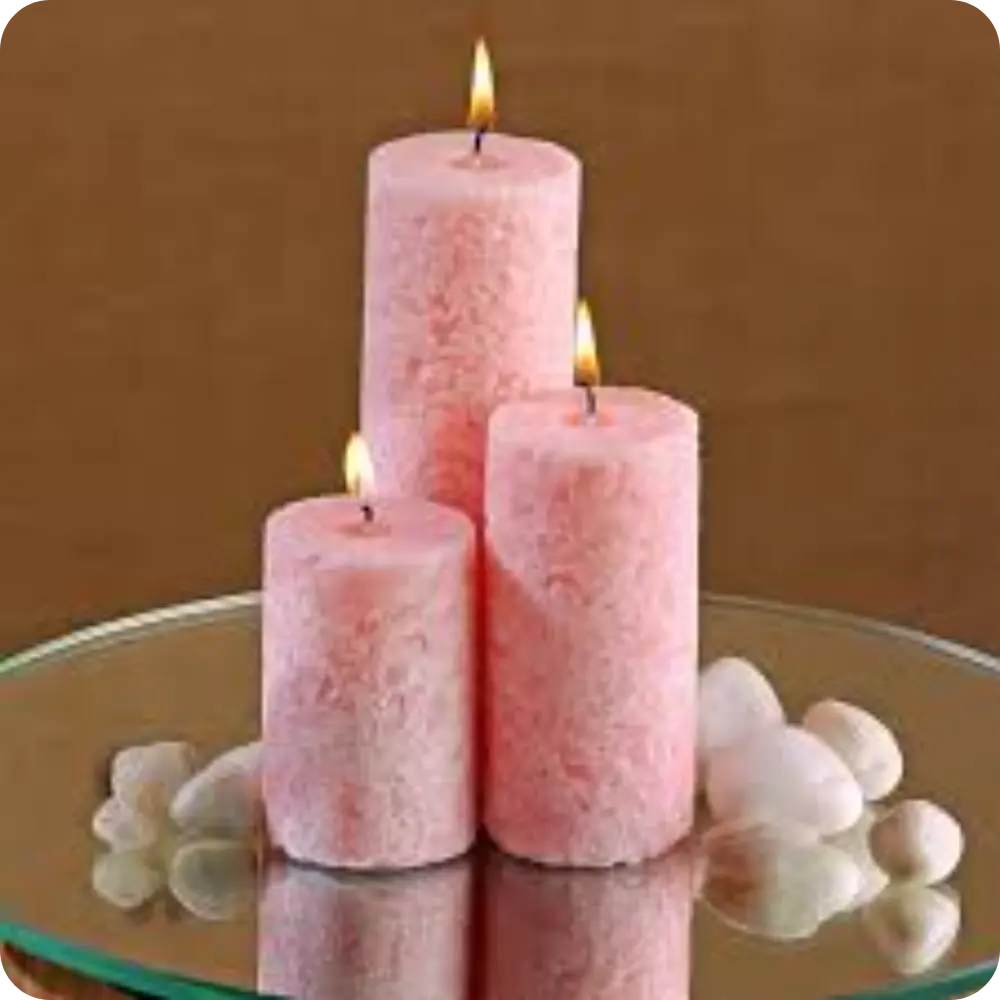
In the competitive landscape of the global candle industry, supply chain stability is the bedrock of profitability. For manufacturers producing high-volume batches, transitioning from retail or small-batch sourcing to a dedicated bulk paraffin wax supplier is not just an operational shift; it is a vital strategic maneuver. As the demand for scented, decorative, and industrial candles grows in major hubs like Istanbul and Dubai, securing a reliable supply of raw material becomes the most significant factor in maintaining consistent production schedules and competitive pricing.
When you purchase in bulk directly from a reputable paraffin wax manufacturer, you gain more than just volume. You achieve technical consistency. Candle making is a science; slight variations in the melt point, oil content, or crystal structure of wax can result in uneven burning, tunneling, or poor scent throw in finished products. By partnering with a consistent source, you ensure that your production line remains calibrated, reducing the waste and downtime associated with batch-to-batch variations. This is a critical edge for manufacturers operating in high-demand markets like Mumbai or Ho Chi Minh City, where consumer expectations for quality are increasingly sophisticated.
Furthermore, leveraging an industrial wax exporter allows for economies of scale that retail purchasing cannot provide. The cost-per-ton advantage of bulk paraffin wax procurement directly improves your bottom line, allowing you to reallocate resources toward marketing, innovation, or expanding your market reach. Additionally, a direct partnership ensures priority access during market shortages. As global logistics remain complex, having an established relationship with a manufacturer ensures that your raw materials are shipped consistently, keeping your inventory levels optimal regardless of seasonal spikes in demand.
Strategic sourcing also involves technical support. A professional supplier understands that different applications—from container candles to pillars—require specific wax formulations. Whether you need semi-refined or fully refined wax, a qualified supplier acts as a technical partner, advising on the right grade to optimize your production efficiency and product performance.
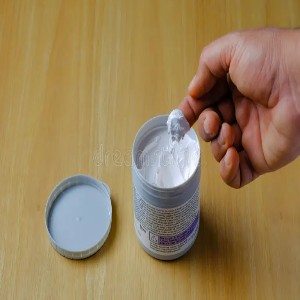
2. 7 Proven Benefits of Buying Bulk Paraffin Wax for Candle Making
Comparison: Retail vs. Direct Bulk Sourcing for Candle Manufacturers
| Feature | Retail/Small-Batch Sourcing | Direct Bulk Procurement |
|---|---|---|
| Unit Cost | High (due to margins) | Significantly Lower |
| Quality Consistency | Low/Variable | High/Standardized |
| Supply Reliability | Intermittent | Guaranteed/Scheduled |
| Technical Support | Minimal | Dedicated Consulting |
| Inventory Control | Difficult | Strategic/Just-in-Time |
| Logistics Handling | Basic | Optimized Export/Freight |
By shifting to a bulk sourcing model, you are not merely buying a commodity; you are securing the future of your manufacturing operations. It is about building a foundation that allows your business to scale efficiently, meet the intense demands of the global market, and ensure that every candle leaving your facility meets the highest standards of quality. Whether your main markets are in Johannesburg or São Paulo, the advantage of a stable, high-volume supply chain is universal.
🧪 2. Understanding Different Grades of Paraffin Wax for Industrial Applications
The versatility of paraffin wax is what makes it a cornerstone material for diverse sectors, ranging from food packaging to complex industrial coatings. However, for a procurement manager or an industrial wax exporter, navigating the technical specifications is essential for success. Not all waxes are created equal; the refinement process determines the final performance characteristics, making the choice of the correct grade a critical step in your supply chain management.
At the core of the industry, we distinguish between Semi-Refined and Fully Refined Paraffin Wax. Fully refined wax, characterized by its low oil content (usually below 0.5%) and high transparency, is the gold standard for high-end applications. For an industrial paraffin wax user, this grade is vital for products requiring odorless, colorless, and highly stable properties, such as high-grade paper coatings or premium cosmetic formulations. Conversely, semi-refined wax, while still robust, contains a slightly higher oil percentage and is often the preferred choice for cost-sensitive manufacturing processes where extreme purity is not the primary requirement, such as certain types of board sizing or basic cable lubrication.
Strategic sourcing involves understanding how these grades integrate into your specific production line. For instance, manufacturers in Cairo or Karachi who specialize in packaging industries require waxes with specific moisture barrier properties, which are directly influenced by the carbon chain distribution within the wax. If you are dealing with a bulk wax distributor, it is essential to request technical data sheets (TDS) that detail melt points, oil content, and penetration rates. This ensures that the product you import matches the exact requirements of your machinery and end-user demands, avoiding costly production errors.
Furthermore, the growing demand for specialty waxes—such as those used in high-heat industrial lubricants—highlights the importance of working with a sophisticated paraffin wax manufacturer. A manufacturer with strong R&D capabilities can often customize the blend to meet specific functional needs, providing a technical advantage that generic suppliers cannot replicate. Whether you are catering to the agricultural sectors in Jakarta or the manufacturing hubs in Mexico City, the ability to specify the precise grade of your wax is a hallmark of professional industrial procurement.
Technical Overview: Paraffin Wax Grades and Industrial Suitability
| Grade | Oil Content | Melt Point Range | Primary Industrial Application |
|---|---|---|---|
| Fully Refined | < 0.5% | 52°C – 64°C | Cosmetics, Food Packaging, High-end Candles |
| Semi-Refined | 0.5% – 1.5% | 52°C – 62°C | General Manufacturing, Paper Sizing, Polishes |
| Crude Scale Wax | 1.5% – 3.0%+ | 48°C – 58°C | Particle Board, Cable Filling, Lower-tier coatings |
| Microcrystalline | Variable | 60°C – 90°C | Adhesive, Heavy-duty Lubrication, Laminates |
Selecting the right grade is a balancing act between performance requirements and cost optimization. By partnering with a supplier that maintains a deep inventory of these distinct categories, your business can ensure consistent quality control, streamline production, and gain a competitive edge in international markets. Providing your technical team with the correct grade of raw material is the surest way to ensure that the finished product consistently exceeds customer expectations.
🏭 3. Key Factors to Evaluate When Choosing a Reliable Paraffin Wax Supplier
Selecting a paraffin wax supplier is a decision that extends far beyond simple price negotiation; it is about establishing a foundational partnership that dictates the operational success of your business. For importers and factory managers in bustling industrial hubs like Dubai or Istanbul, a supplier is essentially an extension of their own production team. When you are looking for a bulk paraffin wax supplier, the first factor to consider is the manufacturer’s capacity for consistency. Consistency in melting points, oil content, and color stability isn’t just a technical preference—it is a requirement for maintaining the integrity of your own products.
A truly reliable paraffin wax manufacturer provides more than just a material; they provide transparency. You should evaluate their ability to provide detailed, batch-specific Certificates of Analysis (COA). If a supplier cannot offer rigorous quality assurance, your production line risks suffering from batch-to-batch variability, which can lead to rejected products and significant financial losses. When your distribution networks span from Mumbai to Johannesburg, you need the peace of mind that comes from knowing every shipment meets the international standards required for your industry.
Logistical expertise is another critical pillar. Exporting wax across borders involves navigating complex customs regulations, specialized packaging requirements—such as slab or pelletized forms—and ensuring moisture-free storage during transit. A proficient supplier understands the challenges of sea and land freight. They should offer flexible shipping options that minimize lead times, which is particularly beneficial for businesses in Karachi or Ho Chi Minh City that rely on timely raw material arrivals to manage their seasonal manufacturing cycles.
Finally, consider the scope of their product portfolio. Does the supplier specialize only in basic wax, or can they also provide microcrystalline wax or white petrolatum? Working with a versatile manufacturer allows you to consolidate your supply chain. Having a single point of contact for multiple raw materials simplifies accounting, reduces shipping costs through consolidated containers, and fosters a deeper, more collaborative relationship with your supplier.
Evaluation Criteria for Choosing a Strategic Partner
| Evaluation Metric | Importance | What to Look For |
|---|---|---|
| Quality Control | Critical | Batch-specific COA and ISO certifications |
| Production Capacity | High | Ability to handle large, consistent bulk orders |
| Logistics Efficiency | High | Proven experience in global export/transit |
| Product Versatility | Medium | Offering multiple wax and petrolatum types |
| Technical Support | Medium | Expert advice on grade selection and application |
| Communication | Critical | Professionalism, language proficiency, speed |
Ultimately, you are looking for a partner who values your growth as much as their own. A supplier who treats your business as a priority, provides proactive market updates, and stands behind the quality of their product will always outperform a low-cost, low-service alternative. Investing the time to properly vet your supplier now will save you from potential supply chain disruptions in the future, ensuring your operations in cities like Cairo or São Paulo run with maximum efficiency.

2. 7 Proven Benefits of Buying Bulk Paraffin Wax for Candle Making
📦 4. Cost‑Efficiency Analysis: Buying Wholesale vs. Retail Paraffin Supplies
For companies operating in the candle, packaging, cosmetics, and industrial sectors, raw material cost directly impacts profitability. One of the most effective strategies to control production expenses is shifting from retail procurement to wholesale sourcing through a bulk paraffin wax supplier. While retail purchasing may appear convenient for small workshops, it becomes financially inefficient once production scales beyond a modest level. Manufacturers and importers in large trading hubs like Dubai, Istanbul, and Mumbai increasingly rely on bulk procurement models because the savings across logistics, packaging, and supplier margins are substantial.
Retail suppliers usually purchase wax from a paraffin wax manufacturer in large volumes and then distribute it in smaller packages with added markups. These markups include repackaging costs, storage expenses, distribution margins, and retailer profit. When buyers source directly from an industrial wax exporter, those layers disappear. The result is a significantly lower cost per ton, which allows manufacturers to maintain competitive pricing in highly contested markets such as Karachi and Jakarta.
Another important financial advantage of wholesale purchasing is supply predictability. When a factory depends on frequent retail orders, it becomes vulnerable to stock shortages and sudden price fluctuations. Bulk procurement contracts allow companies to secure stable pricing over longer periods. This is especially valuable in volatile global commodity cycles where petroleum‑derived products can fluctuate due to energy markets or shipping constraints. Importers supplying candle manufacturers in Cairo or packaging industries in Mexico City often lock in bulk contracts to stabilize their manufacturing budgets.
Operational efficiency is another key factor. Wholesale shipments are typically transported in containerized loads, which dramatically lowers freight costs per kilogram compared with fragmented retail shipments. For example, a 20‑foot container filled with slabs or fully refined paraffin wax can supply several months of production for medium‑scale factories. This reduces ordering frequency, administrative workload, and customs processing costs.
In addition, direct collaboration with a bulk wax distributor or manufacturer often opens access to technical consultation. If a buyer requires a specific melt point range or customized blend for candles, coatings, or adhesives, wholesale suppliers can provide tailored solutions that retail sellers cannot. This technical collaboration can improve manufacturing efficiency and reduce waste during production.
Cost Comparison: Retail Purchasing vs. Bulk Procurement
| Factor | Retail Supply | Wholesale / Bulk Supply |
|---|---|---|
| Unit Price per Ton | High due to distributor margins | Lower direct manufacturer pricing |
| Packaging Costs | Small packages increase cost | Industrial slabs or bulk cartons |
| Supply Stability | Risk of stock shortages | Contracted, scheduled shipments |
| Logistics Efficiency | Multiple small shipments | Containerized freight (20ft / 40ft) |
| Technical Support | Limited product information | Access to manufacturer expertise |
| Production Planning | Unpredictable availability | Stable inventory planning |
For B2B buyers, the difference between retail and wholesale sourcing becomes more pronounced as production grows. Importers serving large markets such as São Paulo or Johannesburg recognize that bulk procurement is not only about cost reduction—it is also about operational security and long‑term scalability.
When manufacturers secure their raw materials from a reliable paraffin wax supplier with global export capability, they gain control over production timelines, protect themselves from supply disruptions, and maintain consistent product quality. In industries where margins and consistency determine market leadership, wholesale sourcing becomes an essential pillar of sustainable growth.
🧪 5. Quality Standards for Cosmetic Grade Petroleum Jelly and Wax Products
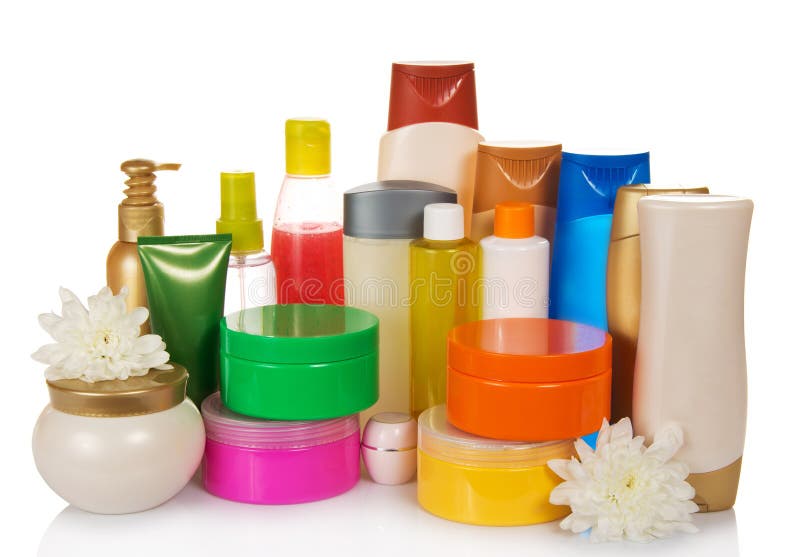
When dealing with sensitive applications, such as personal care, pharmaceuticals, and high-end cosmetics, the purity of raw materials is non-negotiable. As an industrial wax exporter and white petrolatum supplier, we understand that our clients in markets like Dubai, Istanbul, and São Paulo require ingredients that adhere to the strictest pharmacopeia standards. Unlike industrial-grade materials, cosmetic grade petroleum jelly must undergo rigorous refinement processes to ensure it is free from contaminants, odorless, and perfectly stable for topical use.
The quality of these materials is primarily defined by the removal of impurities and the consistency of the refining process. For a petroleum jelly manufacturer, the standard is achieving the USP (United States Pharmacopeia) or BP (British Pharmacopeia) grades. This level of refinement guarantees that the final product is non-comedogenic, hypoallergenic, and safe for human skin. For distributors and manufacturers of skincare products in Mumbai or Jakarta, sourcing from a supplier that provides transparent analytical reports is crucial to maintaining brand reputation and meeting strict regulatory requirements.
Consistency is equally important for cosmetic grade wax products, such as those used in lipsticks, lotions, and balms. A microcrystalline wax supplier catering to these sectors must ensure that the wax provides excellent oil-binding properties and a smooth, elegant texture. Any variation in the carbon chain structure or trace impurities can result in crystallization, melting, or discoloration in the final cosmetic product. Our industrial clients in Cairo and Karachi rely on our precision in manufacturing to ensure that their production lines maintain consistent performance, batch after batch.
Furthermore, proper documentation is a hallmark of a professional supplier. Buyers should always demand Certificates of Analysis (COA) and Material Safety Data Sheets (MSDS) that highlight compliance with international safety standards. Working with a bulk wax distributor that strictly adheres to quality control protocols prevents the risk of contamination in your supply chain, which is essential for businesses operating in high-scrutiny markets like Mexico City or Ho Chi Minh City.
Quality Parameters for Cosmetic Grade Products
| Parameter | Industry Standard (USP/BP) | Why It Matters |
|---|---|---|
| Color (Saybolt) | White / Water White | Essential for aesthetic appearance in creams |
| Odor & Taste | Odorless & Tasteless | Mandatory for cosmetic & pharma applications |
| Consistency (Penetration) | Specific Range (e.g., 150-200) | Determines spreadability and feel on skin |
| Polycyclic Aromatics | Compliant (Null) | Health and safety compliance for skin contact |
| Melting Point | Controlled / Narrow Range | Ensures stability in various climates |
By prioritizing high-grade materials, manufacturers can significantly enhance the perceived value of their finished goods. Whether you are creating luxury lip balms or therapeutic ointments, the foundation of your success lies in the purity of your inputs. As a dedicated petroleum jelly manufacturer, we support your commitment to excellence by delivering products that meet the highest international standards, ensuring your business stays ahead of the competition in the global beauty and health markets.
🚢 6. Navigating Global Export Regulations for Petroleum-Based Commodities
For any business acting as an industrial wax exporter or an importer, moving petroleum-derived goods across international borders is a complex logistical and regulatory challenge. Markets like Dubai, Istanbul, and Johannesburg have specific import requirements that dictate how products must be documented, packaged, and inspected. Understanding the regulatory environment is not just an administrative formality—it is a core business competency required to prevent shipment delays, unexpected costs, or customs seizures that could disrupt your production schedule.
The primary regulatory concern for importing bulk paraffin wax or white petrolatum is the classification under the Harmonized System (HS) codes. Incorrect classification can lead to improper tariff calculations, causing unnecessary financial strain. A professional paraffin wax manufacturer understands these codes and ensures that all documentation—from Commercial Invoices to Certificates of Origin—is aligned with the destination country’s customs expectations. For instance, importers in Mumbai or Cairo must deal with specific conformity assessment programs that require certified lab testing before the goods are even cleared.
Quality certification is a non-negotiable part of these exports. Most countries mandate that materials intended for consumer goods, such as cosmetic grade petroleum jelly, arrive with a validated Certificate of Analysis (COA) confirming they are free from harmful impurities and meet pharmacopeia standards. Furthermore, environmental and safety regulations require that hazardous material declarations are correctly filed, even if the waxes themselves are non-hazardous, due to their origin in the petroleum supply chain.
Logistics partners play a massive role here. Exporting to growing economies like Jakarta, Ho Chi Minh City, or Karachi requires coordination with freight forwarders who specialize in chemical and petrochemical transport. These experts ensure that the cargo is stored correctly—protected from extreme heat and moisture, which could compromise the product quality—and that port operations are handled efficiently. A reliable bulk wax distributor will work closely with their logistics team to provide tracking, insurance, and timely documentation to ensure a seamless “door-to-door” or “port-to-port” delivery experience.
Key Documentation and Regulatory Requirements
| Document Type | Purpose | Criticality |
|---|---|---|
| Certificate of Analysis (COA) | Confirms product specifications/purity | Essential for Customs & QC |
| Certificate of Origin | Determines trade agreements/tariffs | High (Affects Tax/Duty) |
| Material Safety Data Sheet (MSDS) | Details safety and handling protocols | Mandatory for Port Clearance |
| Bill of Lading | Legal proof of shipment ownership | Essential for Logistics |
| Proforma/Commercial Invoice | Declares value and transaction details | Essential for Payment & Duty |
Ultimately, navigating these regulations successfully allows you to maintain a consistent supply of raw materials, regardless of the geographic location of your manufacturing facility. By partnering with an experienced exporter who deeply understands the regulatory hurdles in your target markets, you reduce the risk of supply chain volatility. Whether your operations are based in Mexico City or São Paulo, having a partner who manages the complexities of global trade ensures that your industrial or cosmetic production never misses a beat.
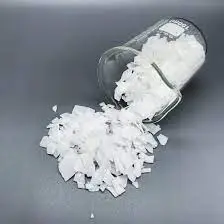
Volk Oil UltraPure 72 Pro Grade Paraffin & Petroleum Jelly – Maximum Purity & Performance
💰 7. How Bulk Procurement Enhances Profit Margins for Candle Businesses
In the global candle industry, where competition is fierce and consumer trends shift rapidly, the ability to maintain healthy profit margins is the difference between a struggling workshop and a market leader. For manufacturers in high-volume markets such as Ho Chi Minh City, Istanbul, and Mumbai, the most direct path to increasing profitability is through strategic bulk procurement. By transitioning to a professional bulk paraffin wax supplier, businesses can drastically reduce their cost of goods sold (COGS), which is the most significant expense in candle production.
When a company relies on local resellers or retail-grade supplies, they are essentially paying for multiple layers of middleman markups. However, by establishing a direct relationship with a paraffin wax manufacturer, those unnecessary costs are eliminated. This direct-sourcing model allows manufacturers to secure a lower paraffin wax price per ton, providing the financial breathing room needed to invest in better fragrances, premium packaging, or aggressive marketing campaigns in competitive regions like Dubai and Cairo.
Beyond the raw material cost, bulk buying optimizes logistics and operational overhead. Importing large quantities via an experienced industrial wax exporter reduces the frequency of shipping, customs clearance fees, and administrative labor. For instance, a factory in Karachi or Jakarta that imports a full container of wholesale paraffin wax once a quarter faces significantly lower per-unit freight costs compared to a business receiving smaller, more frequent shipments. This logistical efficiency directly impacts the bottom line, allowing for more aggressive pricing strategies in the global paraffin market.
Furthermore, consistency in the supply chain reduces hidden costs associated with production errors. A paraffin wax exporter who maintains high-quality standards ensures that every batch of industrial grade wax or cosmetic grade petroleum jelly (if used in container blends) performs identically. In candle making, consistency prevents issues like “frosting,” poor scent throw, or uneven burning—problems that often lead to customer returns or wasted batches. By sourcing from a reliable petroleum jelly supplier and wax producer, manufacturers in São Paulo and Mexico City can ensure a high-yield production process with minimal waste.
Finally, having a robust inventory of raw materials protects a business from price volatility in the energy sector. Since paraffin is a petroleum-based product, its price is subject to global market shifts. Large-scale procurement allows companies to lock in prices during favorable market cycles, providing a competitive edge when competitors are forced to raise prices due to sudden supply shortages.
Profitability Analysis: Bulk vs. Small-Scale Procurement
| Profit Driver | Small-Scale / Retail Sourcing | Bulk Procurement Strategy | Impact on Margin |
|---|---|---|---|
| Material Cost | High (includes multiple markups) | Factory-direct (lowest per unit) | Significant Increase |
| Shipping & Freight | Expensive per kg (LCL) | Optimized (FCL / Containerized) | Cost Reduction |
| Production Stability | Variable (risks batch inconsistency) | High (standardized technical specs) | Minimized Waste |
| Market Resilience | Vulnerable to price spikes | Hedged against market volatility | Stable Pricing |
| Logistics Admin | High (multiple orders/invoices) | Streamlined (single large contract) | Lower Overhead |
In conclusion, for any business aiming to scale its operations and dominate the candle market in hubs like Johannesburg, the transition to bulk sourcing is essential. It is not merely a purchasing decision; it is a financial strategy that secures the supply chain, ensures product excellence, and maximizes every cent of profit. By choosing a dedicated bulk wax distributor that understands the nuances of the wax industry, you empower your business to grow sustainably in the international marketplace.
🌐 8. Assessing the Reliability of Global Paraffin and Vaseline Manufacturers
In the intricate web of international trade, securing a dependable supply of paraffin wax and petroleum jelly is paramount for manufacturers and distributors alike. For businesses operating in key global markets like Dubai, Istanbul, and Mumbai, the reliability of your chosen paraffin wax manufacturer directly impacts your production continuity, product quality, and ultimately, your market reputation. A misstep in selecting a supplier can lead to crippling delays, inconsistent product quality, and significant financial repercussions.
Reliability in this industry is multifaceted. It begins with the manufacturer’s production capacity and their ability to consistently meet volume demands. A company looking for bulk paraffin wax needs assurance that their supplier can handle large, ongoing orders without compromising delivery schedules. This requires evaluating their plant’s operational scale, their access to raw crude oil, and their logistical infrastructure. For instance, an exporter supplying to Johannesburg or São Paulo needs a partner with robust shipping capabilities to manage long transit times and large order fulfillment.
Beyond capacity, the adherence to stringent quality control measures is a critical indicator of a reliable petroleum jelly manufacturer. This means consistently meeting international standards such as USP/BP for cosmetic and pharmaceutical grades, and specific industrial grade specifications for applications in packaging or coatings. A supplier who can provide detailed, batch-specific Certificates of Analysis (COA) and maintain ISO certifications demonstrates a commitment to quality that minimizes risks for buyers in markets like Cairo or Karachi. This transparency builds trust and assures buyers that the white petrolatum supplier is committed to product integrity.
Furthermore, communication and responsiveness are key. A reliable partner isn’t just about production; it’s about partnership. This includes clear communication channels, quick response times to inquiries, and proactive updates on order status and market conditions. For businesses dealing with complex international trade, having a paraffin wax supplier that offers accessible communication—whether via email, phone, or platforms like WhatsApp—is invaluable. This is particularly true when dealing with suppliers from regions like Tehran Province, Iran, where understanding cultural nuances and communication styles is important.
Finally, a manufacturer’s track record and commitment to ethical business practices are significant factors. Longevity in the market, positive testimonials from other international clients, and a clear commitment to regulatory compliance all contribute to assessing reliability. When considering a microcrystalline wax supplier or a provider of other specialized waxes, looking for certifications, international market experience, and a willingness to engage in long-term supply agreements can provide crucial insights into their dependability.
Key Indicators of a Reliable Manufacturer/Supplier
| Reliability Factor | What to Assess | Importance for B2B Buyers |
|---|---|---|
| Production Scale & Consistency | Plant capacity, output volume, batch stability | Ensures timely delivery of large orders |
| Quality Assurance & Certifications | COA, ISO, USP/BP compliance | Guarantees product integrity and market acceptance |
| Logistics & Export Expertise | Shipping network, customs handling, Incoterms knowledge | Minimizes transit delays and import complications |
| Communication & Responsiveness | Accessibility, prompt replies, market updates | Facilitates smooth transactions and problem-solving |
| Market Reputation & Experience | Longevity, client testimonials, global reach | Builds confidence and reduces supplier risk |
Choosing the right industrial wax exporter means looking beyond the immediate price tag. It is about investing in a partnership that guarantees consistent quality, reliable delivery, and expert support, enabling your business to thrive in competitive global markets like Jakarta and Mexico City.
🚢 9. Supply Chain Resilience: Securing Consistent Paraffin Wax Shipments
In the modern era of trade, supply chain resilience is no longer an option—it is a necessity for survival. For importers and bulk wax distributors operating in volatile markets such as Karachi, Jakarta, and Cairo, securing consistent shipments of industrial grade wax is the key to maintaining market share. Disruptions in logistics, whether due to port congestion in Dubai or shipping lane shifts affecting Istanbul, can have a domino effect on manufacturing schedules in São Paulo and Mexico City.
To build a resilient supply chain, working with a sophisticated industrial wax exporter is essential. A resilient supplier doesn’t just ship goods; they manage risks. This involves maintaining a robust inventory of bulk paraffin wax and microcrystalline wax to buffer against sudden raw material shortages or price spikes in the energy sector. For a buyer in Mumbai or Johannesburg, knowing that their paraffin wax supplier has the capacity to honor long-term contracts regardless of market fluctuations provides invaluable peace of mind and financial predictability.
Diversification of logistics is another strategy employed by leading bulk paraffin wax suppliers. This includes utilizing multiple shipping routes and maintaining relationships with various freight carriers to ensure that even if one port faces delays, alternative solutions are available. For companies in Ho Chi Minh City that rely on “just-in-time” manufacturing, this level of logistical foresight is what prevents costly downtime. Furthermore, a professional exporter will optimize packaging—whether in liquid form, slabs, or pellets—to ensure the material remains uncontaminated and stable throughout its journey across different climates.
Moreover, technology plays a vital role in modern supply chain security. Real-time tracking and proactive updates from your petroleum jelly supplier or wax manufacturer allow procurement managers to adjust their local operations in response to transit times. By integrating these practices, businesses can transform their supply chain from a potential vulnerability into a competitive advantage, ensuring that high-quality cosmetic grade petroleum jelly or wax is always available when the market demands it.
Supply Chain Risk Mitigation Strategies
| Potential Risk | Mitigation Strategy | Supplier’s Role |
|---|---|---|
| Logistics Delays | Diversified shipping routes | Expertise in global industrial wax export |
| Price Volatility | Long-term bulk contracts | Stable bulk paraffin wax supplier pricing |
| Quality Degradation | Specialized industrial packaging | Ensuring moisture and heat protection |
| Stock Shortages | Buffer stock management | Consistent paraffin wax manufacturer output |
| Customs Issues | Pre-verified documentation | Providing accurate COA, MSDS, and Invoices |

UltraShield 75 Vaseline Petroleum Jelly – Premium Bulk Healing & Moisture Barrier
📈 10. Future Trends in the Global Paraffin Wax and Petroleum Jelly Market
The global petrochemical derivatives landscape is undergoing a significant transformation, driven by technological advancements and shifting industrial demands. For any forward-thinking paraffin wax manufacturer or international buyer, staying ahead of these trends is essential to maintaining a competitive edge. From the bustling trade corridors of Dubai and Istanbul to the rapidly expanding manufacturing zones in Ho Chi Minh City and Jakarta, the way we produce, distribute, and utilize wax products is evolving toward higher precision and greater efficiency.
One of the most prominent trends is the surging demand for high-purity, specialty waxes. As the pharmaceutical and high-end cosmetic industries grow in markets like Mumbai and São Paulo, the role of a white petrolatum supplier has shifted from providing a simple commodity to delivering a highly engineered ingredient. We are seeing a move toward “smart” formulations where cosmetic grade petroleum jelly is refined to meet even stricter hypoallergenic standards. This trend is particularly evident in Mexico City, where manufacturers are seeking ingredients that offer better skin barrier protection while maintaining a “clean label” profile.
Another key development is the regionalization of the supply chain. While the market remains global, industrial hubs in Cairo and Johannesburg are increasingly looking for a bulk paraffin wax supplier that can offer localized logistical solutions. The “Just-in-Time” manufacturing model is being replaced by “Just-in-Case” strategies, where companies maintain larger inventories of industrial paraffin wax to buffer against global shipping disruptions. This has elevated the importance of the industrial wax exporter who can navigate complex maritime routes and provide consistent bulk supply regardless of geopolitical shifts.
Sustainability and efficiency in production are also taking center stage. Modern paraffin wax suppliers are investing in advanced hydro-finishing technologies that reduce environmental impact while enhancing the color and odor profiles of the wax. This is a critical factor for the candle industry in Karachi and the packaging industry in Istanbul, where consumers are becoming more sensitive to the chemical footprint of their products. Furthermore, the rise of microcrystalline wax supplier specialized services shows a growing need for waxes that can perform in extreme temperatures, a requirement for high-tech adhesives and specialized lubricants used in global infrastructure projects.
Finally, digitalization is revolutionizing the B2B procurement process. A modern bulk wax distributor must now offer transparent, data-driven interactions. Buyers today expect real-time tracking, digital certificates of analysis, and immediate technical support. As we look toward the future, the companies that will lead the market are those that combine traditional manufacturing excellence with digital transparency and a deep understanding of regional market nuances.
Future Market Outlook: Trends and Strategic Impacts
| Market Trend | Industrial Impact | Strategic Benefit for Importers |
|---|---|---|
| Ultra-Refinement | Higher purity for Pharma/Cosmetics | Enhanced product safety and premium branding |
| Regional Hub Sourcing | Reduced lead times in major cities | Improved supply chain resilience and agility |
| Technical Customization | Rise of application-specific waxes | Optimized production efficiency and lower waste |
| Sustainability Focus | Shift to low-emission refining | Compliance with global environmental standards |
| Digital Transparency | Real-time data and documentation | Faster customs clearance and better planning |
As the global industry moves forward, partnering with an experienced manufacturer that understands these shifts is the best way to secure your business’s future. Whether you are operating in the heart of Dubai or the industrial outskirts of Jakarta, the future of the wax industry belongs to those who prioritize quality, consistency, and innovation.
Paraffin Vaseline Pure Plus Co.
📧 Email: paraffinvaseline.com
🌐 Website: https://paraffinvaseline.com
📞 WhatsApp (Iran): +98-917-998-8207
📞 WhatsApp (ENG): +44-7388150088
📍 Location: Tehran Province, Iran
👤 Contact: Yaser Badrzadeh