




| Row Number | SEO Optimized Heading |
|---|---|
| 1 | Understanding the Global Market for Bulk Paraffin Wax |
| 2 | Key Factors to Evaluate When Choosing a Paraffin Wax Supplier |
| 3 | Identifying Reliable Manufacturers for Industrial Grade Wax |
| 4 | Essential Quality Standards for Cosmetic Grade Petroleum Jelly |
| 5 | Strategies for Cost-Effective Bulk Petroleum Jelly Procurement |
| 6 | Navigating Logistics and Shipping for International Wax Exports |
| 7 | Analyzing Current Pricing Trends in the Global Wax Industry |
| 8 | Mitigating Risks in Large-Scale Chemical Raw Material Imports |
| 9 | Sustainable Sourcing Practices for Premium Petroleum Products |
| 10 | Building Long-Term Partnerships with Global Wax Distributors |
🌍 ## 1. Understanding the Global Market for Bulk Paraffin Wax
The global market for bulk paraffin wax has evolved into a sophisticated ecosystem, driven by diverse industrial needs ranging from consumer goods to heavy chemical processing. As an industrial wax exporter, we observe that the demand is no longer confined to traditional regions; instead, it has expanded into emerging manufacturing hubs where innovation in packaging and manufacturing requires high-quality raw materials. Understanding this landscape is the first step for any serious bulk wax distributor looking to secure a competitive edge in their local market.
When we analyze the flow of commerce, we see significant activity in cities like Mumbai and Jakarta, where the rapid growth of the textile and rubber industries has created a consistent demand for high-grade paraffin. Similarly, the packaging industry in Mexico City continues to drive substantial interest in reliable supply chains. For a business buyer, navigating this market requires more than just finding a price point; it requires aligning with a paraffin wax manufacturer who understands the technical nuances of oil content, melting point, and stability across different batches.
The volatility of global oil prices naturally influences the wax market, but the true value lies in supply chain security. Whether you are operating in the heart of Istanbul or coordinating logistics in São Paulo, the ability to secure consistent volume is what separates successful enterprises from those struggling with intermittent shortages. By partnering with a dedicated paraffin wax supplier, distributors can hedge against market fluctuations and ensure that their end-users—whether they are candle makers or cosmetic formulators—receive a product that meets their exact specifications.
To better illustrate the variance in market requirements, we have compiled a table comparing the primary industrial applications that drive the current global demand:
| Industrial Segment | Key Requirement | Primary Market Focus |
|---|---|---|
| Candle Manufacturing | Low Oil Content / Stability | Global / Retail |
| Packaging & Coating | Flexibility / Adhesion | Asia-Pacific / LATAM |
| Rubber Industry | Plasticity / Anti-degradant | Industrial Hubs (Mumbai, Jakarta) |
| Cosmetics & Personal Care | USP Purity / Stability | Middle East / North Africa |
| Wood Processing | Moisture Barrier | Global Infrastructure |
For those looking to expand their footprint, the transition from local purchasing to direct sourcing from an industrial paraffin wax producer is a logical evolution. It allows for greater transparency in sourcing and ensures that the material is compliant with international safety standards. As we continue to serve clients across continents, we emphasize that knowledge of regional trends—such as the specific wax grades preferred in the Cairo industrial sector versus those in Ho Chi Minh City—is what allows us to serve our partners effectively.
If you are currently evaluating your supply strategy for the coming fiscal year, consider how a streamlined, direct partnership can eliminate middle-market inefficiencies. Our role as a primary source is to ensure that your production lines remain uninterrupted, no matter how the global economic climate shifts. We invite you to explore the technical advantages of our production capabilities as you build your strategy for the next quarter.

8 Smart Ways to Import High Quality Paraffin Wax in Bulk
🌍 ## 2. Identifying the Right Grade of Paraffin Wax for Your Industry
Selecting the correct paraffin wax grade is one of the most critical decisions when importing bulk paraffin wax for industrial use. Not all wax is created equal—and in B2B procurement, even small variations in oil content, melting point, or penetration value can directly impact product quality, operational efficiency, and customer satisfaction.
As an experienced paraffin wax manufacturer and bulk supplier, we regularly advise importers that the first step is not asking “What is the price per ton?” but rather “What specification does my production line require?” 🎯
Why Grade Selection Matters in Industrial Applications
Different industries demand different performance characteristics. A candle manufacturer in Mexico City may prioritize low oil content for cleaner burning and minimal smoke. Meanwhile, a rubber processor in Mumbai may focus on plasticity and blending compatibility. Cosmetic producers in Dubai or Istanbul often require highly refined grades with excellent color stability and odor neutrality.
Choosing the wrong grade can result in:
- Production inconsistencies
- Higher rejection rates
- Increased energy consumption during melting
- Reduced end-product performance
- Long-term customer dissatisfaction
In international trade, correcting a wrong shipment is costly and time-consuming. Therefore, aligning specifications before placing a bulk order is essential.
Key Technical Parameters to Evaluate
Below is a simplified reference table used by many industrial buyers when comparing suppliers:
| Specification Parameter | Typical Range | Why It Matters |
|---|---|---|
| Melting Point | 46°C – 68°C | Determines hardness and application suitability |
| Oil Content | 0.5% – 3% | Impacts clarity, burn quality, and stability |
| Color (Saybolt) | +25 to +30 | Critical for cosmetics and premium candles |
| Penetration Value | Varies by grade | Influences flexibility and coating performance |
| Odor | Neutral | Essential for food & cosmetic use |
For example:
- Fully refined paraffin wax (≤0.5% oil) is typically preferred in cosmetics and premium candle manufacturing.
- Semi-refined paraffin wax (1–3% oil) is commonly used in packaging, coating, and industrial applications.
- Industrial-grade paraffin wax may prioritize mechanical properties over visual purity.
Understanding these differences ensures that you import material optimized for your exact process—not simply a generic commodity.
Aligning Specifications with Market Demand
In growing industrial centers such as Jakarta, São Paulo, Cairo, and Ho Chi Minh City, manufacturers are increasingly demanding consistency across shipments. Buyers are shifting from opportunistic spot purchases to long-term contracts with reliable industrial wax exporters who can maintain batch-to-batch uniformity.
This is particularly important when scaling operations. A 50-ton monthly requirement is manageable—but when scaling to 500 tons per quarter, even minor inconsistencies become magnified across production cycles.
Questions Every Importer Should Ask a Supplier
Before finalizing your contract with a bulk paraffin wax supplier, consider asking:
- Can you provide a recent COA (Certificate of Analysis)?
- Is the wax sourced from a single refinery or multiple feedstocks?
- How stable are the specifications across quarterly production cycles?
- Do you offer custom melting point adjustments?
- What packaging options are available for container optimization?
These questions reduce procurement risk and ensure alignment with your technical team.
Strategic Advantage Through Technical Matching
Importing high-quality paraffin wax is not just about cost control—it’s about technical precision. When you match the correct grade to your industry, you improve production efficiency, reduce waste, and strengthen your market competitiveness.
In the next section, we will explore how to verify supplier credibility and ensure you are partnering with a reliable global paraffin wax exporter capable of long-term collaboration.
🌍 ## 3. Verifying Supplier Credibility: Avoiding Common Procurement Pitfalls
In the competitive world of bulk paraffin wax sourcing, the difference between a seamless import experience and a logistical nightmare often comes down to the credibility of your supplier. Many businesses looking for industrial-grade paraffin find themselves overwhelmed by the sheer number of traders and intermediaries in the global market. Whether your facility is located in a bustling industrial hub like São Paulo or you are managing a distribution network in Cairo, performing robust due diligence is not optional—it is a critical investment in your supply chain stability.
The reality of the paraffin wax industry is that certifications and production capacity are the most reliable indicators of a partner’s longevity. A professional paraffin wax manufacturer should have no hesitation in providing verifiable credentials. When you are looking for a long-term bulk wax distributor, you should prioritize transparency regarding the origin of the product, the manufacturing process, and the chemical consistency of each shipment.
Key Indicators of a Reliable Supplier
To help you navigate this process, we have outlined the core criteria that distinguish industry-leading suppliers from temporary intermediaries:
| Verification Metric | Importance for B2B Importers | What to Look For |
|---|---|---|
| Manufacturing Origin | Controls quality and costs | Direct access to refinery output |
| Certifications | Ensures international compliance | ISO, ASTM, or USP (for cosmetics) |
| Production Capacity | Guarantees volume stability | Ability to meet monthly/quarterly KPIs |
| Export Experience | Minimizes logistics risks | Documentation accuracy (BL, COA, COO) |
| Track Record | Builds trust over time | Reference clients and export history |
Avoiding the “Middle-man” Trap
One of the most frequent mistakes we see buyers make—particularly those in high-growth regions like Jakarta or Ho Chi Minh City—is sourcing from traders who lack direct control over the manufacturing process. While traders can offer competitive prices in the short term, they often struggle with quality consistency when market demand spikes. By partnering directly with an industrial wax exporter that operates its own production lines, you eliminate the “black box” of middle-market variability. You gain the ability to communicate directly with technical teams, ensuring that any feedback on the product grade or packaging is implemented in the very next batch.
The Role of Documentation and Transparency
Reliability in the petroleum jelly and paraffin wax sector is documented in paper. A credible supplier provides a clear Certificate of Analysis (COA) for every batch, detailing key metrics such as oil content, melting point, and color. If a supplier is reluctant to share specific lab test results before a deposit is made, this should be considered a red flag. Furthermore, established exporters understand the customs requirements for diverse markets—from the specific packaging labels required in Mexico City to the documentation standards in the European or Middle Eastern markets.
Building a Long-Term Strategic Partnership
The ultimate goal of verifying supplier credibility is to move beyond transactional buying toward a strategic partnership. As a leading paraffin wax manufacturer, we emphasize that trust is built through consistency. When you know that your supplier has the technical expertise to maintain specific parameters, you can streamline your own production schedules and reduce inventory overhead.
In your search for a supplier, focus on those who demonstrate:
- Technical Competence: They understand how the wax performs in your specific application.
- Logistical Proficiency: They know how to optimize container loading to maximize freight efficiency.
- Market Integrity: They honor contracts even when global oil prices fluctuate.
By vetting your suppliers against these standards today, you protect your business against the risks of poor quality, delayed shipments, and hidden costs that often plague the international wax trade. Next, we will discuss how to optimize your logistics and shipping costs for bulk orders.
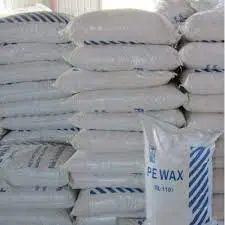
8 Smart Ways to Import High Quality Paraffin Wax in Bulk
🌍 ## 4. Optimizing Logistics and Shipping for Bulk Paraffin Wax
Effective logistics management is often the deciding factor in the overall profitability of your bulk paraffin wax imports. Even if you have secured a premium product from a top-tier paraffin wax manufacturer, poor planning regarding container loading, freight routes, or regional customs requirements can erode your profit margins and lead to significant operational delays. Whether you are shipping to major ports in Mumbai, Jakarta, or São Paulo, understanding the mechanics of high-volume chemical logistics is essential for every bulk wax distributor.
Maximizing Container Efficiency
Paraffin wax is typically transported in slabs or pellets, and the way it is packed within a 20-foot or 40-foot container directly impacts your landed cost. Experienced industrial wax exporters utilize advanced packaging techniques—such as high-density palletization—to ensure that every cubic meter of the container is utilized effectively.
When planning your shipment, consider these logistical factors to minimize per-unit costs:
| Factor | Strategic Impact | Optimization Strategy |
|---|---|---|
| Packaging Form | Slab vs. Pellet | Pellets allow for faster loading and easier automated handling |
| Loading Density | Freight Cost per KG | Maximize weight limits to reduce shipping overhead |
| Temperature Control | Product Integrity | Use of ventilated containers for high-melting-point waxes |
| Port Proximity | Lead Time | Choose shipping routes that avoid unnecessary transshipment |
| Customs Documentation | Delay Prevention | Ensure COO and COA are verified prior to vessel departure |
Navigating Regional Logistics Challenges
Logistical hurdles vary significantly based on your destination. In rapidly growing markets like Cairo or Ho Chi Minh City, customs infrastructure and local inland transport can fluctuate. A seasoned global wax importer works closely with their supplier to ensure that all documentation—including Certificates of Origin and compliance paperwork—is perfectly aligned with the destination country’s specific trade regulations.
Errors in paperwork are the leading cause of “demurrage” and “detention” charges at major ports. By partnering with a supplier who possesses extensive export experience, you ensure that your shipments move through customs with minimal friction, allowing you to focus on your internal production rather than managing shipping crises.
The Value of Proactive Shipping Coordination
Successful B2B procurement relies on proactive rather than reactive logistics. We recommend establishing a shipping schedule that accounts for lead times, port congestion, and seasonal fluctuations in global freight rates. For companies operating in competitive industrial hubs like Mexico City or Istanbul, securing freight space well in advance is a competitive advantage.
Furthermore, consider the “Landed Cost.” It is often more economical to ship a larger volume in a single, well-organized 40-foot container than to ship multiple smaller, fragmented batches. This strategy reduces your total freight cost per ton and helps stabilize your supply chain against the volatility of the global shipping market.
Integrating Logistics with Your Inventory Strategy
When you treat logistics as a core part of your procurement strategy, you can optimize your inventory turnover. A reliable paraffin wax supplier will provide detailed tracking and accurate ETAs, enabling you to synchronize arrivals with your production cycles. This level of synchronization is vital for manufacturers who maintain lean inventory systems.
In summary, logistics is not just about moving goods from point A to point B; it is about creating a predictable, cost-effective flow of raw materials that supports your business growth. By working with a partner who understands the intricacies of international chemical trade, you gain the confidence to scale your operations, knowing that your supply chain is resilient and efficient.
In the next section, we will address the financial strategies necessary for managing large-scale procurement and maintaining healthy cash flow in the global wax industry.
🌍 ## 5. Financial Strategies for Large-Scale Paraffin Wax Procurement
Navigating the financial landscape of bulk paraffin wax procurement requires a balance between securing competitive pricing and maintaining a healthy cash flow. For businesses in high-growth industrial sectors—from cosmetic manufacturers in Dubai to rubber processors in Mumbai—the way you structure your payments and hedge against market volatility can be just as important as the quality of the wax itself. As an industrial wax exporter, we understand that financial predictability is the bedrock of a successful long-term partnership.
Understanding Market Pricing Dynamics
The price of bulk paraffin wax is inherently tied to global petroleum benchmarks. When you enter a large-scale procurement contract, you are essentially managing risk. To protect your margins, it is crucial to understand that pricing is rarely static. Sophisticated bulk wax distributors often employ several financial strategies to mitigate the impact of market shifts.
Strategic Payment and Contract Models
Choosing the right payment structure depends on your relationship with the paraffin wax manufacturer and your internal cash flow requirements. Below is a breakdown of common procurement models used in the B2B chemical trade:
| Payment/Contract Model | Best Used For | Strategic Advantage |
|---|---|---|
| Spot Purchasing | Fluctuating demand | Offers flexibility, but at a price premium |
| Fixed-Price Contracts | Budget-conscious manufacturing | Protects against price spikes for a set period |
| Indexed Pricing | Long-term partnerships | Tracks market fluctuations fairly for both parties |
| Deferred Payment (L/C) | Expanding trade volume | Provides bank-backed security and cash flow relief |
| Volume-Based Discounts | High-capacity operations | Dramatically reduces landed cost per unit |
Leveraging Letters of Credit (L/C) and Trade Finance
For international imports, particularly in markets like São Paulo or Jakarta, the Letter of Credit (L/C) remains the gold standard for financial security. It provides a mechanism where the manufacturer receives payment only upon the presentation of valid shipping documents, ensuring the buyer’s assets are protected until the goods are in transit. By leveraging trade finance, you can secure larger volumes than you could with simple cash-in-advance models, effectively scaling your business while keeping your operational cash accessible for other expenses.
Mitigating Risks through Supplier Alignment
Financial stability is deeply linked to the reliability of your supply chain. A delay in raw material arrival can stall production, leading to lost revenue and increased overhead. By partnering with a paraffin wax supplier who offers transparent pricing and consistent delivery timelines, you reduce the “hidden costs” of downtime. In cities like Cairo or Mexico City, where logistics can be complex, choosing a supplier who understands international trade finance simplifies the accounting process and ensures that all commercial documents are compliant with your banking requirements.
Best Practices for Financial Management
- Consolidate Your Purchases: Rather than making frequent, small-volume orders, consolidate your requirements into larger, periodic shipments. This reduces bank fees, freight costs, and the administrative burden of handling constant transactions.
- Monitor Commodity Trends: Stay informed about global oil and refining trends. Being aware of major market shifts allows you to time your large-scale purchases effectively.
- Prioritize Transparency: Clear, written agreements regarding price adjustments—especially for long-term supply contracts—prevent misunderstandings and maintain strong, trust-based relationships.
- Evaluate Total Landed Cost: Don’t just look at the FOB price. Always calculate your final cost, including freight, insurance, tariffs, and customs duties. Sometimes a slightly higher initial purchase price with a more efficient shipping route is the more financially sound choice.
By treating your procurement strategy as a financial asset rather than just a supply necessity, you position your business to capitalize on growth opportunities. Partnering with a reliable global paraffin wax exporter allows you to focus on your core production, confident that your raw material costs are optimized and your supply chain is financially secure. Next, we will explore the importance of quality control and laboratory testing to ensure your final products maintain the highest standards.
🌍 ## 6. Quality Control and Lab Testing: Ensuring Consistency in Every Batch
In the manufacturing of consumer and industrial goods, the quality of your raw materials dictates the performance of your final product. For businesses importing bulk paraffin wax, the phrase “quality control” is not merely a box to be checked; it is the fundamental safeguard of your reputation. Whether you are producing candles, cosmetics, or specialized industrial coatings in cities like Istanbul, Ho Chi Minh City, or São Paulo, ensuring that every shipment matches your strict technical specifications is non-negotiable.
The Critical Nature of Lab Analysis
A reputable paraffin wax manufacturer should provide a Certificate of Analysis (COA) for every batch of wax produced. This document acts as a “passport” for the product, detailing its physical and chemical properties. Relying on a supplier who lacks rigorous in-house laboratory testing is a significant risk for any bulk wax distributor. You must be able to verify that the wax you receive consistently meets your required parameters to prevent costly production failures.
Key Metrics to Monitor in Your Quality Control Process
To maintain high standards, your technical team should audit the following parameters from every shipment against your initial product requirements:
| Quality Parameter | Standard Testing Method | Impact on Your Product |
|---|---|---|
| Oil Content | ASTM D721 | Directly affects hardness and burning performance |
| Melting Point | ASTM D87 | Determines suitability for specific climate and usage |
| Needle Penetration | ASTM D1321 | Indicates the flexibility and physical structure |
| Saybolt Color | ASTM D156 | Critical for aesthetic appeal in cosmetics/candles |
| Odor/Taste | Sensory Evaluation | Essential for food-grade packaging or personal care |
Building a Quality-First Procurement Loop
The most successful importers don’t just wait for the product to arrive to test it; they integrate quality control into the very start of the procurement cycle.
- Pre-shipment Samples: Always request a representative sample from the specific batch destined for your order. This allows you to perform an independent verification before the shipment leaves the port.
- Batch-to-Batch Consistency: The greatest challenge in the petroleum jelly and paraffin wax industry is uniformity. Ensure your supplier utilizes standardized refining processes. If you find that one shipment performs differently than the last, it is a sign that the supplier’s feedstock or refining process is unstable.
- Independent Third-Party Inspection: For massive bulk orders, employing international inspection agencies (such as SGS or Intertek) at the point of loading can provide an objective layer of verification, giving you total peace of mind before the goods arrive at your facility.
The Cost of Quality Neglect
Ignoring quality control can lead to catastrophic results. For a candle manufacturer, an incorrect oil content can lead to excessive smoke, poor scent throw, or even safety hazards. In the cosmetics industry, impurities can lead to product separation, skin irritation, or premature spoilage. By the time these issues are discovered in the final product, the costs of re-working or recalling items are far higher than the initial cost of verifying the raw materials.
Partnering with Quality-Focused Suppliers
At our core, we believe that technical excellence is the true measure of a premium wax supplier. We maintain stringent laboratory protocols, ensuring that every ton of wax exported to global markets—from the busy industrial hubs of Jakarta to the developing markets of Cairo—meets internationally recognized standards.
When you partner with an industrial wax exporter that treats quality as a core value, you shift your focus away from troubleshooting and toward scaling your business. A consistent raw material supply allows your production team to optimize their settings, reduce waste, and deliver a superior product to your customers every single time.
In the upcoming section, we will discuss how to navigate the complex world of international import regulations and environmental compliance to ensure your business remains ahead of the curve.
🌍 ## 7. Navigating Import Regulations and Environmental Compliance
Entering the international market for bulk paraffin wax requires more than just logistical coordination; it demands a deep understanding of the regulatory landscape. As a bulk wax distributor, you are operating within a complex framework of trade policies, environmental standards, and safety regulations that vary significantly from Mexico City to Ho Chi Minh City. Ensuring full compliance is the only way to avoid customs seizures, hefty fines, and long-term damage to your business reputation.
Understanding the Regulatory Maze
Every region has its own set of requirements for chemical raw materials. Whether you are importing into the European Union, the Middle East, or South America, the documentation required to clear customs can be daunting. As an industrial wax exporter, we advise our clients to prioritize three areas of compliance:
| Regulatory Area | Key Requirement | Business Impact |
|---|---|---|
| Import Licenses | Pre-clearance authorization | Mandatory for chemical goods in many jurisdictions |
| Safety Data Sheets (SDS) | GHS-compliant documentation | Required for handling, storage, and transport safety |
| Environmental Standards | REACH / RoHS / Local EPA | Ensures the wax meets regional chemical safety thresholds |
| Origin Certification | COO (Certificate of Origin) | Vital for determining trade agreement duty rates |
The Importance of Compliance in Global Trade
Regulations are not designed to hinder trade, but to protect human health, public safety, and the environment. For instance, in the cosmetics and food-packaging sectors, imported wax must often meet strict USP or BP purity standards. Failing to provide the correct documentation, such as a Certificate of Analysis (COA) or a valid Certificate of Origin (COO), can lead to goods being held at ports, resulting in significant “demurrage” costs.
In emerging industrial hubs like Cairo or Jakarta, regulatory frameworks are evolving rapidly. Staying updated on these changes is a proactive responsibility. Partnering with a paraffin wax manufacturer that is experienced in global trade ensures that your documentation is always audit-ready, whether you are dealing with local customs or international environmental agencies.
Sustainability and Environmental Stewardship
The global petroleum jelly and paraffin wax industry is under increasing pressure to demonstrate environmental responsibility. Modern buyers are looking for suppliers who prioritize energy efficiency in refining and waste reduction in packaging. When you source from a reputable industrial wax exporter, look for indicators of environmental stewardship:
- Efficient Refining Processes: Does the manufacturer utilize energy-recovery systems in the refining process?
- Packaging Waste: Is the wax packaged in recyclable or reusable materials?
- Transparent Supply Chain: Can the supplier trace their feedstock to ethical and environmentally regulated sources?
By aligning your procurement with sustainable suppliers, you not only comply with current regulations but also future-proof your business against upcoming “green” trade barriers that are becoming common in major import markets like the EU and North America.
Best Practices for Regulatory Success
- Work with a Licensed Customs Broker: Never underestimate the value of a local expert who understands the nuances of port-of-entry regulations in cities like Mumbai or São Paulo.
- Verify GHS Documentation: Ensure your supplier provides a Globally Harmonized System (GHS) compliant Safety Data Sheet. This is mandatory for the legal transport and storage of chemical products.
- Perform Periodic Audits: Review your supplier’s certifications annually to ensure they remain current and valid under international standards.
- Stay Informed: Subscribe to international trade newsletters or industry associations that track changes in chemical import duties and environmental laws.
Compliance is a competitive advantage. When your logistics are smooth, your documentation is perfect, and your environmental credentials are transparent, you build trust with your own customers and regulators alike. You transform from a mere importer into a reliable market participant. In the next section, we will discuss how to build a resilient supply chain that can withstand global market shocks and ensure your business never faces a production bottleneck.
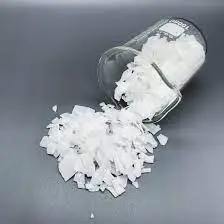
8 Smart Ways to Import High Quality Paraffin Wax in Bulk
🌍 ## 8. Building a Resilient Supply Chain: Mitigating Global Risks
In the modern landscape of bulk paraffin wax trade, the most successful companies are those that have transitioned from “just-in-time” purchasing to building a truly resilient supply chain. From the busy industrial zones of Mumbai to the growing manufacturing markets in Cairo and São Paulo, the ability to withstand unexpected global shocks—such as port congestion, raw material shortages, or geopolitical shifts—is what separates industry leaders from those who struggle to meet customer demand.
The Anatomy of a Resilient Supply Chain
A resilient supply chain for an industrial wax exporter or distributor is built on the pillars of diversification, transparency, and strategic inventory management. When you rely on a single point of failure—whether it is a single production site, a single shipping route, or a single raw material grade—you leave your business vulnerable.
| Risk Factor | Impact on Operations | Mitigation Strategy |
|---|---|---|
| Port Congestion | Delayed deliveries / Lost sales | Diversify ports of entry and maintain safety stock |
| Feedstock Volatility | Price spikes / Supply gaps | Secure long-term supply contracts with primary producers |
| Geopolitical Instability | Trade route closures | Map out alternative logistics routes and transit hubs |
| Technical Failures | Quality inconsistency | Partner with manufacturers having redundant refining lines |
Strategic Inventory Buffering
For businesses utilizing bulk wax for consistent production, holding a “safety buffer” of inventory is no longer just a defensive tactic; it is a competitive necessity. By analyzing your monthly consumption rates, you can determine an optimal stock level that protects you against shipping delays. While this ties up a small portion of your working capital, it effectively hedges against the massive costs associated with production downtime.
When you work with a trusted bulk wax distributor or directly with an industrial wax manufacturer, you can coordinate “virtual warehousing,” where the manufacturer holds buffer stock on your behalf, ready to be dispatched the moment you require it.
Strengthening Supplier Communication
Resilience is built on communication. A supply chain becomes “fragile” when information is silos. True resilience involves sharing your production forecasts with your paraffin wax supplier months in advance. This allows the supplier to schedule their refining batches to meet your specific volume needs, effectively aligning your production cycles. This level of transparency is essential when operating in regions like Ho CHi Minh City or Istanbul, where local market demand can change rapidly.
Embracing Technological Integration
The digital transformation of supply chains is a major trend in the petroleum jelly and paraffin wax industry. Utilizing real-time tracking, automated order processing, and digital supply chain visibility tools allows you to spot potential issues before they become crises. Knowing exactly where your shipment is located in the global logistics network—and having an automated alert system for delays—empowers you to make data-driven decisions that protect your business continuity.
The Role of Partnering with Global Exporters
The most effective risk-mitigation strategy is to partner with an industrial wax exporter that has a global footprint. A supplier with diversified shipping options, multiple manufacturing sites, and deep expertise in international customs can help you navigate localized challenges. If one shipping route becomes blocked, a global partner has the infrastructure to reroute your order via an alternative channel, ensuring your production lines remain uninterrupted.
By building these layers of protection—strategic inventory, transparent communication, and partnerships with established, globally-connected producers—you transform your procurement process from a reactive task into a proactive business strategy. You ensure that no matter what happens in the global economy, your business remains stable, reliable, and prepared to grow.
In the next section, we will explore how to effectively market your wax-based products to a global audience, leveraging the quality and reliability you have built into your supply chain.
🌍 ## 9. Leveraging Quality as a Competitive Advantage in Marketing
In the B2B sector, your bulk paraffin wax is more than just a raw material—it is a promise of quality to your customers. When you source high-quality wax from a reliable paraffin wax manufacturer, you are essentially inheriting a competitive advantage that you can leverage to grow your own market share. Whether you are selling to candle makers in Mexico City, cosmetic formulators in Dubai, or industrial coating companies in Jakarta, your marketing strategy should highlight the technical superiority of your materials.
Building Your Brand Around Technical Excellence
The most successful bulk wax distributors do not just sell a commodity; they sell a solution. You can differentiate your business by emphasizing the technical rigors you apply to your procurement. When you tell your customers that your wax has been verified for specific melting points, stability, and purity, you are building trust that differentiates you from competitors who sell “unbranded” or “untested” wax.
Marketing Strategies for B2B Chemical Sales
To effectively position your product in the global market, consider these strategic marketing pillars:
| Marketing Pillar | Focus Area | Why It Wins Customers |
|---|---|---|
| Technical Transparency | Sharing COA and Test Results | Provides the proof needed for professional manufacturing |
| Industry Case Studies | Sharing Success Stories | Demonstrates real-world performance of your wax |
| Value-Added Education | Webinars/Guides/Technical Tips | Positions your company as an industry expert |
| Sustainable Sourcing | Highlighting Compliance | Appeals to the growing demand for green manufacturing |
| Supply Chain Reliability | Guarantees of On-time Delivery | Offers peace of mind to factory managers |
Positioning Your Products in Global Hubs
Whether you are targeting the growing markets in Ho Chi Minh City or the industrial powerhouses of Mumbai, your marketing materials should be localized to address the specific pain points of your target audience.
- For Cosmetic Manufacturers: Focus on the purity of your USP-grade wax, skin safety, and odor neutrality.
- For Industrial Coating Companies: Highlight the flexibility, moisture resistance, and adhesion properties of your product.
- For Candle Makers: Emphasize the clean-burn, stable melting point, and color consistency of your fully refined paraffin.
By customizing your messaging to the technical needs of your customer’s specific application, you move from being a “vendor” to being a “consultant.”
Leveraging Social Proof and Expertise
In a world where online search is the primary way businesses find new partners, your digital presence is your storefront. Publishing content that explains how to select the right wax or how to optimize production settings creates authority. When you become known as a source of expert information in the paraffin wax industry, your potential clients naturally perceive your products as higher quality.
Transforming Reliability into Loyalty
Your marketing doesn’t end at the sale. The true testament to your marketing success is customer retention. A reliable supply chain, combined with consistent product quality, creates a loyal customer base that will advocate for your brand. In markets like Cairo or São Paulo, where reputation is everything, having long-term, satisfied industrial clients is the most powerful form of marketing you can have.
Ultimately, your goal is to make the procurement of paraffin wax feel like a safe, intelligent business decision for your clients. When they buy from you, they are not just buying a shipment of wax; they are buying the confidence that their production will run smoothly, their end products will be top-tier, and their business will be supported by a professional, world-class partner.
In the final section, we will provide a comprehensive overview of how to contact our team and start your journey toward optimizing your global wax procurement.
🌍 ## 10. Partnering with Us: Secure Your Global Supply Chain Today
Choosing the right partner for your bulk paraffin wax and petroleum jelly needs is the final, and perhaps most important, step in securing your business’s future. Throughout this guide, we have explored how technical precision, logistical strategy, and financial planning can turn your procurement process into a powerful engine for growth. Now, it is time to move from theory to action.
At paraffinvaseline.com, we pride ourselves on being more than just a supplier; we are an industrial wax exporter committed to the long-term success of our global partners. With years of experience serving manufacturing hubs from Mumbai to Mexico City, we have built a reputation based on consistency, transparency, and technical excellence.
Why Leading Manufacturers Choose Us
Whether you are in the cosmetic, candle, packaging, or rubber industry, our commitment to your success is reflected in every shipment we handle:
- Batch-to-Batch Consistency: Our state-of-the-art refining processes ensure that the technical parameters (melting point, oil content, color) remain stable across every ton we ship.
- Global Logistical Expertise: We understand the complexities of international trade. From managing customs documentation to optimizing container loading for ports in Jakarta, Cairo, and Ho Chi Minh City, we ensure your product arrives safely and on time.
- Technical Support: Our team doesn’t just supply; we consult. We provide COAs, SDS documentation, and technical guidance to ensure our wax meets the unique requirements of your production lines.
- Scalable Solutions: Whether you are a growing enterprise or a large-scale industrial player, we offer flexible volume options and financial models that align with your business goals.
Reach Out to Our Global Sales Team
We invite you to discuss your current procurement requirements and discover how our custom-refined grades can optimize your production efficiency and product quality. Our team is ready to provide you with a tailored quote, lead time estimates, and technical specifications that match your specific industrial application.
| Contact Method | Details for Business Partners |
|---|---|
| Official Website | paraffinvaseline.com |
| Direct Sales Inquiry | Visit our “Contact Us” page for regional representative details |
| Technical Support | Available for batch inquiries and COA verification |
| Global Export Hub | Serving clients across Asia, Middle East, Europe, and LATAM |
Your Next Step Toward Procurement Success
Don’t leave your supply chain to chance. Partnering with a reliable paraffin wax manufacturer provides you with the stability needed to innovate, scale, and outperform your competitors.
Ready to start? 🚀
Visit paraffinvaseline.com today to submit your inquiry. Let’s build a resilient, high-quality supply chain that powers your business into the next phase of growth. We look forward to supporting your industrial journey and becoming your trusted partner in the global paraffin wax and petroleum jelly market.
Paraffin Vaseline Pure Plus Co.
📧 Email: paraffinvaseline.com
🌐 Website: https://paraffinvaseline.com
📞 WhatsApp (Iran): +98-917-998-8207
📞 WhatsApp (END): +44-7388150088
📍 Location: Tehran Province, Iran
👤 Contact: Yaser Badrzadeh