




| Row Number (1 to 10) | SEO Optimized Heading |
|---|---|
| 1 | What Is Fully Refined Paraffin Wax? Industrial Overview for B2B Buyers |
| 2 | Key Specifications: Melting Point, Oil Content, Color, and Odor (Buyer Checklist) |
| 3 | 8 Proven Benefits of Fully Refined Paraffin Wax for Industrial Applications |
| 4 | Industrial Uses in the Global Market: Candles, Packaging, Rubber, PVC & More |
| 5 | Cosmetic Grade vs Industrial Grade Paraffin Wax: How to Choose the Right Grade |
| 6 | Bulk Supply & Export Packaging: Cartons, Bags, Pallets, and Container Loading |
| 7 | How to Evaluate a Paraffin Wax Manufacturer: Quality Control, Consistency, and Capacity |
| 8 | Choosing the Right Paraffin Wax Supplier for Importers & Distributors (MOQ, Lead Time, Docs) |
| 9 | Compliance & Documentation for Export: COA, MSDS/SDS, REACH, and Customs Requirements |
| 10 | Pricing Factors & How to Request a Bulk Quote from a Reliable Manufacturer and Supplier |
🏭 1. What Is Fully Refined Paraffin Wax? Industrial Overview for B2B Buyers
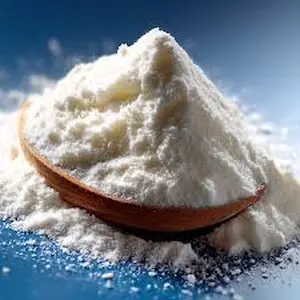
Fully refined paraffin wax is a high-purity, petroleum-derived wax designed for industrial processes where consistency, low odor, and controlled performance matter. For B2B buyers, the key point is not simply that it is “refined,” but that it is refined to a level where residual oil, color bodies, and volatile impurities are minimized—resulting in a cleaner burn, better stability, and more predictable behavior in downstream manufacturing. This is why many importers and bulk wax distributors prefer fully refined material when serving regulated or performance-sensitive sectors.
In practical terms, a paraffin wax manufacturer produces paraffin wax through fractionation and deoiling steps, then applies advanced refining and finishing to reach a whiter color, lower oil content, and neutral odor. Compared with semi refined paraffin wax or slack wax, fully refined paraffin wax typically delivers a more uniform melting profile, improved hardness, and better compatibility with additives, fragrances, polymers, and pigments. These characteristics directly affect production efficiency in facilities from Istanbul to Mumbai, and they reduce rejection rates for export shipments where buyers demand tight tolerances.
For industrial sourcing teams in Dubai, Jakarta, or Ho Chi Minh City, fully refined paraffin wax is often evaluated as a “performance raw material” rather than a commodity. Procurement decisions usually depend on the intended application—candles, packaging coatings, rubber compounding, PVC processing, hot-melt formulations, or general-purpose industrial wax needs. The wax must match the equipment conditions (temperature window, cooling speed, mixing capability) and the end-product requirements (surface finish, brittleness, oil migration control, and odor). That is why a bulk paraffin wax supplier must provide stable specs and a reliable batch-to-batch quality program, not just a competitive price.
In international trade, this product is frequently shipped in bulk cartons or bagged formats, palletized for container loading. Importers in Cairo, Karachi, Mexico City, São Paulo, and Johannesburg commonly request documentation such as COA and SDS to align with their internal quality systems and customs requirements. For buyers supplying cosmetic and pharma-adjacent markets, “cosmetic grade” positioning may be relevant—yet it still requires confirming the exact specification limits rather than relying on generic labels.

8 Proven Benefits of Fully Refined Paraffin Wax for Industry
The following table summarizes what B2B buyers typically mean when they ask for “fully refined paraffin wax,” and how it compares commercially with other wax feedstocks used in the wax industry supply chain.
| Parameter B2B Buyers Check | Fully Refined Paraffin Wax (Typical Expectation) | Semi Refined Paraffin Wax (Typical Trade Position) | Slack Wax (Feedstock / Industrial Use) |
|---|---|---|---|
| Appearance/Color | Bright white, clean look | Off-white to pale | Yellowish to brownish |
| Odor | Low/neutral | Noticeable but acceptable for some uses | Higher odor potential |
| Oil Content | Low (for cleaner finish & less bleeding) | Medium | Higher |
| Typical Buyers | Importers, manufacturers, premium converters | Cost-sensitive industrial users | Refineries, wax processors, compounders |
| Common Applications | Premium candles, coatings, higher-spec industrial use | General candles, some coatings | Further refining, low-cost blends |
| Commercial Value | Higher due to purity & consistency | Mid-range | Lowest, used as raw feed |
If you are sourcing for consistent industrial output, fully refined paraffin wax is typically the safest choice for reducing production variability—especially when you need predictable results across multiple customer markets and repeat export orders. In the next sections, we will move from definition to measurable
🧪 2. Key Specifications Buyers Should Request (Melting Point, Oil Content, Color)
For international B2B buyers, the fastest way to qualify a fully refined paraffin wax supplier is to standardize the specification checklist you request before pricing discussions. In global trade hubs like Dubai, Istanbul, and Mumbai, many disputes in bulk wax shipments come from unclear targets: a buyer asks for “fully refined,” the seller ships “good quality,” but the receiving factory measures different melting point, oil content, or color than expected. A clear spec sheet prevents costly rework, blending, or rejected containers.
Below are the most commercially important parameters you should request on a COA (Certificate of Analysis)—and why they matter across industries such as candle manufacturing, packaging coatings, rubber compounding, and general industrial wax conversion.
The 6 specs that drive performance and acceptance
1) Melting point (°C)
Melting point is usually the first filter importers use because it defines how the wax behaves in production (tank heating, pumping, molding, cooling). Higher melting point typically increases hardness and heat resistance; lower melting point often improves flow and blending. Buyers in warm climates (e.g., GCC markets) may prefer a higher melting range to reduce softening during storage and transport.
2) Oil content (% by mass)
Oil content directly impacts:
- surface “oiling” or bleeding in finished goods
- fragrance retention and burn behavior in candles
- tack and migration risk in coatings and blends
Lower oil content is one of the core reasons buyers pay a premium for fully refined paraffin wax versus semi refined paraffin wax.
3) Color / whiteness (often reported as Saybolt color or visual scale)
Color consistency matters for premium candles, white packaging coatings, and many consumer-facing products. Even in industrial applications, consistent color signals good refining control and stable feedstock selection from the paraffin wax manufacturer.
4) Needle penetration (hardness at a defined temperature)
Penetration is a practical proxy for hardness. It influences demolding speed, scratch resistance, and how wax performs when blended with microcrystalline wax, stearic acid, polymers, or additives. For converters supplying multiple countries, penetration stability is often more important than the absolute value.
5) Odor (qualitative + customer acceptance testing)
“Low odor” is frequently requested but rarely defined. Importers should ask suppliers to specify the odor test method (even if internal) and confirm suitability for the intended use. Odor issues are a common cause of customer complaints in export-focused candle supply chains.
6) Moisture / impurities
Small impurity levels can cause filtration problems, surface defects, or haze. If you are buying from a bulk paraffin wax supplier for reselling, tighter impurity control reduces claims and improves downstream yields.
Buyer-ready RFQ specification table (copy into your purchase request)
| Spec Item | Typical RFQ Target for Fully Refined Paraffin Wax | Why It Matters to Buyers | Common Buyer Markets Asking This |
|---|---|---|---|
| Melting Point (°C) | Define range (e.g., mid / high melt) | Processing window & storage stability | Dubai, Jeddah, Mumbai, Istanbul |
| Oil Content (%) | Low, clearly capped | Controls bleeding, odor, burn quality | Cairo, Karachi, Lagos |
| Color (Saybolt/Visual) | High whiteness, consistent | Appearance + quality signal | Istanbul, Warsaw, São Paulo |
| Penetration (dmm) | Specify hardness band | Demolding, scratch resistance, blend behavior | Mumbai, Jakarta, Ho Chi Minh City |
| Odor | “Low/neutral” + method | Consumer acceptance & export claims prevention | Dubai, Mexico City |
| Packaging | Slabs / granules + carton net wt | Freight efficiency & warehouse handling | All import hubs |
How to use specs to compare suppliers (commercially)
When comparing offers from different exporters, avoid “lowest price per ton” thinking. Instead, assess cost per usable output:
- If oil content is higher than your line can tolerate, you may spend more on additives, filtration, or blending—raising real cost.
- If melting point varies between batches, your production schedule becomes unstable and scrap rises.
- If color fluctuates, you lose consistency across markets, which hurts brand and repeat orders.
For importers and distributors, the best practice is to request two recent COAs, confirm batch-to-batch tolerances, and align packaging specs (pallet pattern, carton strength, labeling language) before issuing a trial order. This approach is widely used by experienced buyers operating across the Middle East, South Asia, and emerging African markets.
(If you share your target application—candles, coatings, PVC, rubber, etc.—I can tailor the exact RFQ spec ranges for section
🏗️ 3.
Choosing the Right Grade by Application (Candles, Coatings, Rubber, PVC).
Selecting the correct fully refined paraffin wax grade is less about finding a “best wax” and more about matching wax behavior to your production line and end-market expectations. In export trade, many buyers in Dubai, Istanbul, and Mumbai purchase by melting point alone—then face avoidable issues like frosting in candles, poor adhesion in coatings, or inconsistent hardness in rubber compounds. A smarter approach is to qualify the wax grade by application needs, then lock those needs into your purchasing spec and COA acceptance criteria.
Below is a practical, application-driven guide used by importers, converters, and bulk wax distributors when buying from a paraffin wax manufacturer or bulk paraffin wax supplier.
Candle manufacturing (pillar, container, tealight)
Candle producers usually need wax that offers clean appearance, stable burn, and predictable fragrance behavior. For premium markets, low oil content, consistent whiteness, and low odor are decisive. Harder wax grades help pillars and molded candles release cleanly; slightly softer grades can improve glass adhesion in container candles, especially when combined with additives.
Common buyer goals:
- reduce frosting and surface defects
- improve scent throw consistency
- minimize smoking and odor complaints in retail markets
Packaging and paper coatings (hot coatings, moisture barrier blends)
In coating lines, wax must wet and coat evenly, cool to a uniform film, and maintain barrier performance. Buyers often blend paraffin with resins or polymers, so compatibility and stable melting behavior matter. If you are supplying multiple export destinations (e.g., Gulf + East Africa), choose a grade that remains stable during transport and warehouse cycles.
Common buyer goals:
- smooth surface finish without pinholes
- stable viscosity during application
- predictable set time on fast lines
Rubber compounding and tire-related applications
For rubber processors, paraffin wax is often used as a protective wax (anti-ozonant “bloom” wax) or as a processing aid in formulations. Here, the buyer cares about controlled migration behavior, consistency, and impurity control to prevent defects. Many buyers in industrial zones around Istanbul and India’s western hubs seek dependable batch consistency more than ultra-high whiteness.
Common buyer goals:
- controlled bloom behavior (not too fast, not too slow)
- reduced cracking risk from ozone/weathering
- stable mixing and dispersion
PVC and plastic processing (lubrication and processing aid)
In PVC processing, paraffin wax may act as a lubricant or processing additive in certain formulations. The key is consistent melting and controlled interaction with other additives so the process window doesn’t drift. Poor consistency can show up as torque variation, plate-out, or surface finish issues. This is why many polymer buyers insist on supplier reliability and repeatable specs, not spot-market sourcing.
Common buyer goals:
- consistent processing torque
- reduced plate-out and die build-up risk
- stable product surface appearance
Application-to-grade selection table (buyer-focused)
| Application | What to Prioritize in Fully Refined Paraffin Wax | Typical Commercial Preference | Buyer Notes (Export/Trade) |
|---|---|---|---|
| Candles (premium) | Low oil, high whiteness, low odor, stable melt | Mid-to-high melt grades depending on format | Strong COA control reduces claims from distributors |
| Candles (general) | Balanced cost & performance, acceptable color | Mid melt | Often paired with stearic acid or blends |
| Packaging coatings | Film uniformity, compatibility, stable melt | Mid melt with good consistency | Packaging specs (carton strength/palletizing) matter |
| Rubber compounding | Consistency, controlled migration, impurity control | Application-specific | Ask supplier for typical use guidance & repeatability |
| PVC/plastics | Stable melting, predictable lubrication behavior | Controlled melt range | Require tight batch-to-batch tolerances |
Buying advice for importers and wholesalers
If you are importing for resale in markets like Dubai, Cairo, Karachi, or Nairobi, consider carrying two “core” grades rather than trying to serve every industry with one SKU:
- a premium, low-oil fully refined grade for candles/coatings
- a general industrial fully refined grade for rubber/plastics and broad distribution
This segmentation reduces customer complaints and improves your ability to defend pricing, because you are selling performance consistency, not just tonnage.
If you tell me your main customer segment (candle factories vs. rubber/PVC vs. coating converters), I can structure
the next section to include a tighter selection checklist and typical buyer questions for supplierqualification.
8 Proven Benefits of Fully Refined Paraffin Wax for Industry
📦 4. Packaging, Loading & Logistics: How Paraffin Wax Is Shipped Internationally
For importers and distributors, the “right” fully refined paraffin wax is not only about COA specs—it’s also about how the cargo is packed, protected, loaded, and cleared. In high-volume trade routes such as Dubai (Jebel Ali), Istanbul (Ambarlı), and Mumbai (Nhava Sheva), many quality complaints originate from logistics issues: broken cartons, deformed slabs, contamination, or incorrect labeling that delays customs. A reliable bulk paraffin wax supplier should treat packaging and loading as part of product quality.
Common export packaging formats (and what buyers should choose)
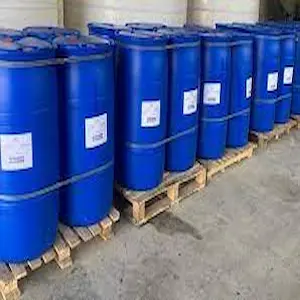
1) Slab wax in cartons (most common for B2B trade)Fully refined paraffin wax is frequently supplied as solid slabs packed inside corrugated cartons, then palletized. This format is widely preferred because it is easy to count, store, and re-melt in factories. For wholesalers, it also supports re-selling by carton unit.2) Bagged wax (granules/pastilles where available)Some buyers prefer granules/pastilles for faster melting and cleaner handling. While often more convenient, it can come with different packaging costs and may require stronger moisture protection depending on climate and transit time.3) Bulk/other formats (less common for fully refined in many routes)Depending on origin and buyer requirements, other packing may exist, but most international importers stick to cartonized shipments for predictable container loading and warehouse handling.
What to specify in your RFQ (to avoid shipment disputes)
A professional RFQ to a paraffin wax manufacturer should include packaging details with the same clarity as melting point and oil content:
Carton net weight (e.g., 25 kg / 50 kg) and acceptable tolerance
Inner packing (liner bag or film, if required)
Carton strength suitable for stacking in hot climates
Pallet type (wooden vs. plastic), pallet size, and palletization pattern
Container loading plan (20’ vs 40’, approximate cartons per container)
Labeling requirements (English, batch number, gross/net, origin marking)
Documents: COA, SDS, packing list, commercial invoice, certificate of origin (as needed)
These details matter for import hubs where cargo is handled multiple times before reaching the end-user (port → bonded warehouse → distributor → factory).
Typical risks during shipping (and how to control them)
Heat exposure and deformationEven if the wax melting point is appropriate, prolonged heat inside containers can soften slab edges and weaken cartons—especially on routes to GCC, South Asia, and East Africa. Strong cartons, correct pallet stacking, and ventilation practices reduce damage.Carton collapse and contaminationLow-grade cartons or poor pallet wrap can lead to collapsing loads, exposing wax to dust or moisture. Buyers should request pallet photos before shipment and agree on pallet wrap standards.Mixed batches and labeling errorsFor distributors, mixed production batches in the same shipment can create performance variation claims from downstream customers. Request clear batch separation and consistent labeling per pallet.
Buyer checklist: packaging & logistics acceptance table
Item to Confirm | What a Serious Export Supplier Provides | Why It Matters for Importers | Common Destinations Concerned |
|---|---|---|---|
Carton quality | Strong corrugated cartons, clean packing | Reduces breakage and claims | Dubai, Jeddah, Mombasa |
Palletization | Stable stack, proper wrap/straps | Faster unloading, fewer damages | Istanbul, Karachi |
Container type | Standard dry container + loading plan | Prevents shifting, optimizes tonnage | Mumbai, Alexandria |
Labeling | Batch no., net/gross, origin, product name | Avoids customs delays & warehouse confusion | All major ports |
Documentation | COA + SDS + packing list + invoice | Smooth clearance & QC traceability | UAE, Turkey, India, Africa |
Practical commercial advice for importers
If you are buying for re-sale, treat packaging as part of your brand promise. Two suppliers may offer the same “fully refined paraffin wax” specs, but the one who controls packaging and loading will usually deliver higher real profitability: fewer damaged cartons, fewer shortages, and fewer customer complaints.For first orders, many buyers in Dubai and Istanbul start with a trial container, requiring (1) pre-shipment photos, (2) COA matching the shipped batch numbers, and (3) a clear carton/pallet specification. This small discipline dramatically reduces disputes and makes repeat ordering smoother.If you want, send your preferred carton weight (25/50 kg) and destination port, and I’ll tailor a container loading/handling note you can paste directly into your RFQ for section
🧾 5. Quality Documents & Compliance: COA, SDS, Origin, and Buyer Acceptance
In international B2B trade, fully refined paraffin wax is rarely approved on specification alone. Professional importers in Dubai, Istanbul, and Mumbai typically require a clean documentation package to (1) clear customs smoothly, (2) pass internal QC, and (3) protect themselves in case of downstream claims. If you are sourcing from a paraffin wax manufacturer or a bulk paraffin wax supplier, your documentation discipline often determines whether you can build repeat orders and long-term distribution, especially when selling to factories that follow ISO-style purchasing controls.
Core documents every importer should request
1) COA (Certificate of Analysis) – batch-specific
Your COA should match the exact batch(es) shipped and ideally include: melting point, oil content, color/whiteness measure, penetration (hardness), and any other agreed specs. The commercial best practice is to require:
- COA date and batch/lot number
- test method references (even if abbreviated)
- statement of conformity to your RFQ limits
- signature/stamp from QC
2) SDS (Safety Data Sheet) – current version
An SDS is essential for HSE compliance, warehouse storage instructions, and many customs/forwarder requirements. Even if paraffin wax is not “dangerous goods” in many contexts, your customers (especially multinational plants) often need the SDS on file before receiving the material.
3) Certificate of Origin (COO)
COO supports customs clearance and can be critical for tariff treatment and buyer country regulations. In some regions, COO is also part of supplier vetting (buyers want traceability of supply).
4) Packing list + commercial invoice
These must match carton count, net/gross weights, HS code (as used in your trade lane), and product description. Errors here cause the most common delays—especially when the cargo arrives but the paperwork doesn’t align with the container reality.
5) Optional but valuable: conformity statement / non-animal / non-GMO
Depending on your market, buyers may request additional declarations. These are often not legally required but can unlock higher-value customers in cosmetics-adjacent or sensitive consumer product supply chains.
Acceptance workflow: how serious buyers avoid disputes
Experienced importers use a simple three-step acceptance model:
- Pre-shipment confirmationSupplier shares batch numbers, COA draft, packaging details, and pallet photos.
- Arrival QC checkReceiving team verifies labeling, carton condition, random sampling, and quick tests (appearance, odor, melting behavior).
- Claim policy alignmentBefore ordering, buyer and seller agree on a claim window, sampling method, and how nonconformity is handled (replacement, discount, return, or blending guidance).
This workflow is widely used by distributors serving multiple markets—e.g., receiving in Dubai, then re-exporting to East Africa or South Asia—because it creates traceability and reduces “he said / she said” quality arguments.
Document checklist table (ready for RFQ / purchase order)
| Document | Must Be Batch-Specific? | What Buyers Should Check | Why It Matters in Export |
|---|---|---|---|
| COA | Yes | Batch no., key specs, methods, limits | Proof of conformity; reduces quality disputes |
| SDS | No (versioned) | Revision date, handling/storage guidance | HSE compliance; warehouse & customer acceptance |
| COO | Shipment-based | Correct exporter/producer & origin | Customs clearance; tariff/regulatory needs |
| Packing List | Shipment-based | Carton count, pallet count, net/gross | Prevents port/warehouse mismatches |
| Commercial Invoice | Shipment-based | Product name, HS code, weights, terms | Payment, clearance, audit trail |
| Photos (loading/pallets) | N/A | Batch labels visible, wrap/stack quality | Helps resolve damage claims quickly |
Commercial tips for wholesalers and bulk buyers
- Request “COA by batch, not by product.” A generic COA template is not sufficient for consistent distribution.
- Match documents to labels. Every pallet/carton label should map to the COA batch number—this is crucial when you sell partial lots to different factories.
- Ask for repeatability evidence. If you plan steady monthly imports, request two or three recent COAs to see variability trends.
- Don’t ignore odor acceptance. Odor is a frequent complaint in candle supply chains; you can reduce risk by clarifying acceptance criteria early.
Section 6 will focus on commercial terms—MOQ, lead time, pricing logic, and how importers in Dubai/Mumbai/Istanbul structure trial orders before scaling to long-term contracts.

8 Proven Benefits of Fully Refined Paraffin Wax for Industry
💼 6. Commercial Terms: MOQ, Lead Time, Payment, and How to Start with a Trial Order
For importers and distributors, buying fully refined paraffin wax is not only a technical decision—it is a commercial structure decision. In trading hubs like Dubai, Istanbul, and Mumbai, successful buyers use clear terms for MOQ, lead time, payment, and claims to protect cash flow and ensure continuity of supply. If you are negotiating with a paraffin wax manufacturer or a bulk paraffin wax supplier, aligning commercial terms early reduces friction and turns one-off shipments into repeat container business.
MOQ (Minimum Order Quantity): what’s realistic in export trade
In many export scenarios, the practical MOQ is tied to container economics and packaging format:
- Trial orders are commonly structured as 1×20’ container (or a smaller commitment if the supplier allows mixed loading).
- Scale orders often move to 1×40’ container or multiple containers once batch consistency is proven.
For wholesalers, MOQ strategy should match your downstream customer base. If you supply multiple small candle factories, a smaller trial lot reduces inventory risk. If you supply a single large converter, locking a larger MOQ may secure better pricing and availability.
Lead time: why it varies and what buyers should ask
Lead time is not only “production days.” It includes:
- production scheduling and batch allocation
- packaging and palletization
- document preparation (COA, SDS, COO)
- port handling and vessel schedule
Buyers should request two lead time figures:
- ex-works / ready-to-ship lead time (days after deposit/LC)
- estimated transit + arrival window for the destination port
This matters especially for seasonal demand spikes (e.g., candle demand ahead of Q4). Buyers in Dubai and Turkey often book earlier to avoid vessel space issues and price volatility.
Payment terms: balancing risk between buyer and supplier
Common payment structures in bulk wax trade include:
- T/T advance + balance against documents (simple and widely used for trial orders)
- LC at sight (used when buyer wants stronger compliance and supplier accepts bank terms)
- partial advance + partial after inspection/loading proof (requires trust and clear procedures)
For first-time deals, importers often prioritize transparency: batch-specific COA, clear packing list, and loading photos. As the relationship matures, buyers may negotiate better terms based on repeat volume.
Incoterms: what most importers choose (and why)
While many options exist, importers typically choose terms that match their logistics capabilities:
- Buyers with strong freight control often prefer terms that let them choose the forwarder and manage destination costs.
- Buyers who want simplicity may request a delivered-to-port quote where the supplier handles export-side logistics.
Regardless of term, the buyer should clearly define: destination port, packaging, pallet requirements, and document set to avoid hidden costs and clearance delays.
Trial order structure table (practical template for buyers)
| Trial Order Element | Recommended for First Shipment | Why It Works Commercially | Typical Buyer Practice (Dubai/Istanbul/Mumbai) |
|---|---|---|---|
| Quantity | 1×20’ container (or agreed minimum) | Limits inventory risk, tests consistency | Standard “qualification container” approach |
| Grade/Spec | One grade only, tight COA limits | Reduces confusion and mixed-batch risk | Buyers standardize before expanding SKUs |
| Payment | Simple, document-based structure | Protects both parties | T/T with clear milestones is common |
| Inspection | Random sampling upon arrival + label checks | Prevents downstream claims | Warehouse QC before distribution |
| Claim window | Agreed period after arrival | Avoids open-ended disputes | Clear time limits reduce friction |
Negotiation points buyers often miss
Batch consistency commitment
Ask the supplier to confirm how they control batch-to-batch variation and whether they can maintain the same spec band for repeat orders.
Shortage and damage policy
Agree on how shortages are calculated (net weight basis) and how damage claims are supported (photos, count, inspection report).
Reorder availability
If your market is competitive, you need reassurance that the supplier can support monthly or quarterly planning—especially when you build customers around a specific wax performance.
Private labeling (for distributors)
If you plan to resell under your brand, discuss carton labeling and pallet marks early. This is common for wholesalers servicing multiple countries.
Section 7 will cover how buyers evaluate suppliers beyond price—factory capability, QC system, production consistency, and what questions to ask before committing to long-term contracts.
🏭 7. How to Evaluate a Paraffin Wax Supplier Beyond Price
In the global wax trade, price matters—but for experienced importers, supplier reliability matters more. A low-price shipment of fully refined paraffin wax can quickly become expensive if it arrives with weak cartons, inconsistent oil content, odor issues, or poor documentation. This is why buyers in Dubai, Istanbul, and Mumbai increasingly evaluate suppliers based on long-term performance, not just the quote per ton.
If you are sourcing from a paraffin wax manufacturer or a bulk paraffin wax supplier, the goal is simple: identify whether the supplier can support repeat business with stable quality, dependable lead times, and commercial transparency.
1. Check production consistency, not just product availability
Many suppliers can ship wax once. Fewer can ship the same quality repeatedly. That distinction is critical for distributors and industrial buyers who need predictable production results. Ask for:
- recent COAs from multiple batches
- standard spec ranges, not only a “best sample”
- information on how the supplier controls refining consistency
- whether they separate grades clearly during packing and loading
A supplier that provides clean, repeatable documentation is usually safer for long-term procurement than one offering an aggressive spot price with vague technical details.
2. Assess QC discipline and traceability
A serious export supplier should have a workable internal quality system, even if the buyer does not require formal certification. What matters is whether the supplier can trace:
- which batch was packed into which cartons or pallets
- which COA belongs to the shipment
- how nonconforming material is identified and handled
For importers reselling into multiple markets, traceability protects both customer relationships and internal inventory control.
3. Evaluate packaging reliability as part of product quality
In paraffin wax trade, packaging is not a secondary issue. It affects losses, claims, and customer satisfaction. A supplier with stable slab quality but poor cartons may still cause repeated problems. Buyers should request:
- pallet photos from recent shipments
- carton specifications
- loading pattern details
- origin and batch labeling samples
This is especially important for hot-climate destinations and longer sea routes.
4. Review export capability and documentation quality
Suppliers who understand export trade reduce delays and paperwork errors. A strong supplier should be able to prepare:
- batch-specific COA
- current SDS
- correct packing list
- accurate commercial invoice
- certificate of origin when needed
Late or inconsistent paperwork is often a warning sign that scale-up may become difficult.
5. Look at responsiveness and problem-solving ability
Commercial trust is built in the “grey areas,” not only in perfect shipments. If a buyer asks a technical question, changes labeling, or requests a pre-shipment photo set, the supplier’s response quality says a lot about future cooperation. In export markets, speed and clarity of communication often matter as much as technical specs.
Supplier evaluation table for B2B buyers
| Evaluation Area | What Good Suppliers Show | Warning Signs | Why It Matters |
|---|---|---|---|
| Product consistency | Multiple matching COAs across batches | Only one sample COA, vague answers | Protects repeat production performance |
| QC & traceability | Batch control, label-to-COA matching | No clear batch system | Reduces claim disputes |
| Packaging | Strong cartons, clean pallets, visible labels | Weak cartons, mixed packing, unclear photos | Prevents transport damage |
| Export documentation | Fast, accurate, complete paperwork | Delays, mismatched data | Supports customs and warehouse acceptance |
| Communication | Clear answers, realistic commitments | Overpromising, inconsistent replies | Essential for long-term business |
Questions smart buyers ask before placing repeat orders
Before moving from trial order to long-term contract, ask the supplier:
- Can you provide 2–3 recent COAs for the same grade?
- How do you control batch variation in melting point and oil content?
- What is your standard lead time during high-demand months?
- How do you handle damage or nonconformity claims?
- Can you maintain the same packaging format and label style across repeat shipments?
- What volume can you support monthly if our business grows?
Final commercial insight
For traders and distributors, the best supplier is not always the cheapest supplier. The best supplier is the one that helps you keep your customers, reduce claims, and scale orders with confidence. In paraffin wax trading, stable quality and reliable execution usually create more profit over time than a short-term discount.
Section 8 will focus on market demand and buying patterns in key import regions, including the Middle East, South Asia, Turkey, and selected African markets.
🌍 8. Global Demand & Buyer Trends: Where Fully Refined Paraffin Wax Is Moving
Demand for fully refined paraffin wax is driven by a mix of consumer-product manufacturing (especially candles and packaging) and industrial conversion (rubber, plastics, coatings). For B2B buyers, understanding where demand is rising and how importers purchase helps in two ways: it improves timing (buying before seasonal spikes) and it guides which grades and packaging formats to stock. In trading centers such as Dubai, Istanbul, and Mumbai, distributors who track buyer trends typically achieve higher turnover and fewer “wrong grade” inventory issues.
Middle East (Dubai and wider GCC): distribution hub + re-export behavior
Dubai is often a regional consolidation point: importers bring in container loads, warehouse them, and re-export to nearby markets. Key drivers include:
- strong regional trading networks and faster redistribution
- steady demand from candle makers, packaging users, and general industrial buyers
- preference for reliable documentation and clean packaging for re-sale
Buyer pattern: many Dubai-based traders prefer stable, repeatable specs with strong packaging—because their reputation depends on downstream customer satisfaction across multiple countries.
Turkey (Istanbul and industrial zones): manufacturing-led demand
Turkey’s demand is closely tied to local conversion industries. Buyers often care about:
- consistent processing behavior (especially for industrial and rubber-related uses)
- reliable lead times for continuous production
- price-performance balance rather than only premium whiteness
Buyer pattern: Turkish buyers frequently evaluate multiple suppliers and expect professional negotiations with clear COA consistency. For distribution into nearby regions, packaging and labeling consistency also matters.
South Asia (Mumbai and surrounding markets): volume-driven purchasing and price sensitivity
In South Asia, buyers often purchase higher volumes and may run mixed-application demand (candles + coatings + general industrial). Key themes:
- high attention to price, but increasing need for consistency as factories scale
- seasonal demand spikes in candles that affect inventory planning
- growing preference for suppliers who can support repeat monthly shipments
Buyer pattern: importers often start with one container trial, then scale quickly if batch stability and delivery discipline are proven.
Africa (selected import markets): distributor-led growth and logistics sensitivity
Across several African ports, demand is frequently served by importers and wholesalers supplying smaller manufacturers. Key concerns include:
- packaging durability (carton damage risk during handling)
- clear labels and complete documents to avoid clearance delays
- flexibility in shipment planning and inventory turnover
Buyer pattern: distributors value suppliers who can ship reliably with strong cartons and consistent net weights, because claims handling may be slower and more expensive.
Latin America (selected markets): quality consistency and documentation for established converters
In parts of Latin America, established converters may require tighter documentation control and stable quality. Buyers often insist on predictable repeatability, especially if paraffin wax is used in branded consumer products.
Buyer pattern: supplier vetting can be stricter, and documentation mistakes may block approval.
Market-to-strategy table (how importers typically stock and sell)
| Region / Hub | Main Demand Drivers | What Buyers Prioritize | Practical Stocking Strategy for Distributors |
|---|---|---|---|
| Dubai / GCC | Trading + manufacturing | Packaging quality, documentation, repeatability | Stock 1 premium grade + 1 general grade |
| Istanbul / Turkey | Manufacturing | Stable processing behavior, lead time | Focus on consistent grade specs, not mixed batches |
| Mumbai / South Asia | High volume + seasonal candles | Price-performance, availability | Plan ahead for seasonal peaks; secure allocation |
| Africa (import markets) | Distributor supply to small factories | Strong cartons, clear labels, full documents | Choose robust packaging; avoid “mystery batches” |
| Latin America (selected) | Established converters | Repeatability + compliance readiness | Long-term supplier approval; stable COA history |
Commercial insight: timing and seasonality
One of the biggest mistakes importers make is purchasing only when their warehouse is empty. In wax markets, shipping schedules and seasonal demand can create price swings and container availability issues. Buyers serving candle markets often plan earlier—locking supply before peak seasons—while industrial buyers focus on stable monthly replenishment.
For wholesalers, the simplest growth strategy is to align inventory with two customer clusters:
- premium candle/coating buyers who pay for low oil content and clean performance
- general industrial buyers who prioritize consistent processing and stable supply
Section 9 will cover how to reduce risk in bulk purchasing—sampling methods, batch verification, handling claims, and building a repeat-order system that protects your margins.

8 Proven Benefits of Fully Refined Paraffin Wax for Industry
🛡️ 9. Risk Control for Bulk Buyers: Sampling, Batch Verification, and Claims Handling
In bulk purchasing of fully refined paraffin wax, the biggest threats to profit are not always price fluctuations—they are quality variation, logistics damage, and unclear claim procedures. Importers in Dubai, Istanbul, and Mumbai who succeed long-term typically use a simple risk-control system: verify the batch, sample correctly, document everything, and agree on a claim method before the container ever ships. This is especially important for distributors reselling to candle factories, packaging converters, and industrial end-users where a single inconsistent batch can trigger customer complaints and returns.
1. Sampling strategy: don’t rely on one carton
A common mistake is approving the whole shipment based on one sample slab. A better approach is random sampling across the container, especially if you plan to re-sell in smaller lots.
Best practice for importers:
- sample from multiple pallets (front/middle/back of container if possible)
- sample from different carton layers (top/middle/bottom) to detect heat or handling effects
- keep retain samples labeled with batch number and arrival date (critical for disputes)
Even a basic sampling plan improves your negotiation position if nonconformity appears later.
2. Batch verification: make labels and COA match
For risk control, the shipment must be traceable:
- Every pallet/carton label should show batch/lot number
- The COA must reference the same batch number
- The packing list should not mix grades or ambiguous product names
If the supplier cannot clearly separate batches, you risk blending unknown variation into your warehouse stock—leading to inconsistent customer outcomes and difficult claim resolution.
3. Arrival checks: fast inspections that prevent downstream losses
When the container arrives, do a structured receiving check before distributing to customers:
- carton condition (crush damage, moisture marks)
- count verification (cartons, pallets)
- label verification (product name, grade, batch)
- quick appearance/odor check
- if possible, a simple melting behavior check under your standard method
This is not about being “too strict”—it is about catching issues early, when you still have leverage and the shipment is still isolated from your inventory.
4. Claims handling: agree on rules before you buy
Most disputes in wax trading happen because the claim rules were never defined. Buyers should agree on:
- claim window (e.g., X days after arrival)
- evidence required (photos, inspection report, sample retention)
- what constitutes nonconformity (spec limits, packaging failure)
- settlement method (replacement, credit note, discount, or technical blending guidance)
For distributors, it is also smart to define whether claims are calculated based on net weight, carton count, or measured shortage, and how damages are documented.
Risk-control checklist table (for importers & distributors)
| Risk Area | Control Action | Evidence to Keep | Benefit to Buyer |
|---|---|---|---|
| Spec variation | Multi-point sampling + COA match | Retain samples + COA copy | Protects customer consistency |
| Mixed batches | Batch labeling + pallet separation | Photos of labels/pallets | Traceability for re-sale lots |
| Transit damage | Packaging checks at arrival | Unloading photos + counts | Faster, stronger claims |
| Shortage disputes | Count + net weight verification | Packing list + receiving report | Prevents margin loss |
| Odor/appearance complaints | Quick acceptance test before distribution | Sample notes + internal QC record | Reduces downstream returns |
5. Commercial “system” for repeat orders (simple and effective)
Importers who scale usually standardize a repeat-order workflow:
- RFQ locked spec + packaging + documents
- Supplier sends batch numbers + COA draft + loading plan
- Buyer confirms and requests loading photos
- Arrival receiving check + samples retained
- Performance feedback collected from key customers
- Next order placed only after batch performance is verified
This system is lightweight but powerful. It creates a loop where you continuously improve supplier alignment and reduce surprises, which is critical if you’re distributing across multiple markets from a hub like Dubai.
Practical note for wholesalers
If you resell to candle manufacturers, the most common causes of complaints are odor, appearance (color), and inconsistent burning behavior—often linked to oil content variation or mixed batches. If you resell to industrial users (rubber/plastics), the most common complaints are processing variability and contamination. Your sampling and batch control should be aligned to your customer base.
Section 10 will provide a concise conclusion and buying call-to-action, and it will be the only section that includes full company contact details, as agreed.
📞 10. Final Buying Notes + How to Request a Quote (Fully Refined Paraffin Wax Export)
Buying fully refined paraffin wax successfully is mainly about controlling three variables: spec clarity, supplier consistency, and export execution. When these are managed, importers and distributors can build predictable repeat container business—whether your customers are candle manufacturers, packaging and coating converters, or industrial plants using wax in rubber and plastics.
Final checklist before you place your order
Lock the specification (in writing)
- melting point range suitable for your application
- maximum oil content
- color/whiteness requirement
- penetration (hardness band)
- odor acceptance (define expectations)
Confirm packaging and loading
- carton net weight and tolerance
- palletization plan and wrapping/strapping method
- labeling format (batch number visible on every carton/pallet)
Require the full document set
- batch-specific COA
- current SDS
- packing list and commercial invoice matching container content
- certificate of origin when required by destination customs
Use a low-risk trial order model
- start with a trial container
- sample across pallets on arrival
- keep retain samples for traceability
- agree on claim window and settlement method before shipment
These steps are standard practice for professional importers in trade hubs such as Dubai, Istanbul, and Mumbai—and they reduce the most common causes of cost leakage: batch inconsistency, packaging damage, and documentation delays.
RFQ table (copy/paste for a fast quotation request)
| RFQ Item | What You Should Specify | Example Buyer Notes |
|---|---|---|
| Product | Fully Refined Paraffin Wax | State intended application (candles/coatings/rubber/PVC) |
| Grade / Melt Range | Required melting point range | “Stable melt range for warm climate storage” |
| Oil Content | Maximum acceptable % | “Low oil preferred for clean finish” |
| Color | Target whiteness/standard | “Consistent color for repeat orders” |
| Packaging | Carton net weight + palletizing | “Strong cartons for export handling” |
| Quantity | Trial + monthly target | “Trial: 1×20’ / Potential: monthly repeat” |
| Destination | Port and country | Needed for logistics planning |
| Documents | COA, SDS, COO, invoice, packing list | Batch numbers must match COA |
| Payment/Terms | Preferred structure | Trial terms should be simple and clear |
What to include to get the best offer (commercially)
To receive accurate, competitive offers from a paraffin wax manufacturer, provide:
- destination port and expected delivery window
- application (so the supplier proposes the right grade)
- preferred packaging (25 kg vs 50 kg cartons, pallet type)
- whether you will re-sell (labeling requirements)
- target order frequency (spot vs long-term)
Suppliers can quote more precisely when they know if this is a one-time purchase or a distribution program with repeat volumes.
Company Contact Details (as agreed: only in Section 10)
Paraffin Vaseline Pure Plus Co.
📧 Email: paraffinvaseline.com
🌐 Website: https://paraffinvaseline.com
📞 WhatsApp (Iran): +98-917-998-8207
📞 WhatsApp (END): +44-7388150088
📍 Location: Tehran Province, Iran
👤 Contact: Yaser Badrzadeh
If you share your destination port and application, I can rewrite the RFQ table into a ready-to-send email format tailored to your exact purchasing conditions.